South Korea’s Lee Jae Myung Calls for Four-Way Talks to Formally End Korean War and Build Lasting Peace!
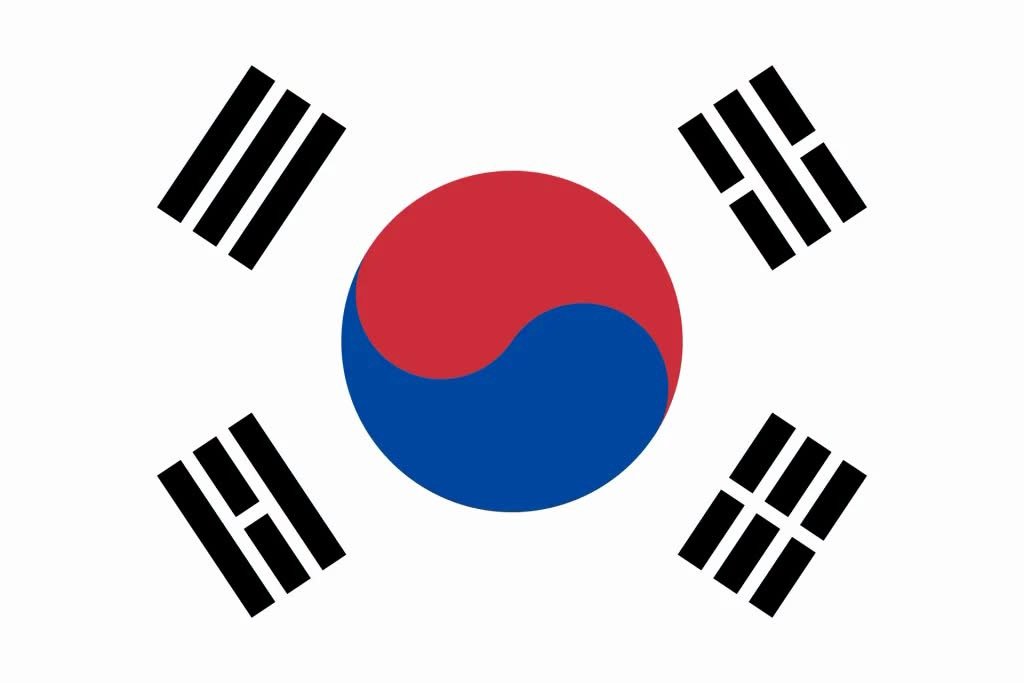
South Korean President Lee Jae Myung has renewed his push for diplomatic engagement with North Korea, proposing talks aimed at formally ending the Korean War and replacing the peninsula’s decades-old armistice with a permanent peace regime.
Lee made the proposal on Saturday, August 15, 2026, during a speech marking Korea’s 81st Liberation Day, presenting dialogue and practical confidence-building measures as key components of Seoul’s strategy to reduce tensions with Pyongyang.
The South Korean leader called on the two Koreas to abandon attempts to threaten one another and begin discussions involving the principal parties to the conflict. He suggested either South Korea, North Korea and the United States, or an expanded framework that would also include China.
The proposal represents a significant diplomatic initiative at a time when relations between Seoul and Pyongyang remain deeply strained, North Korea continues to expand its nuclear and missile capabilities, and Pyongyang has strengthened its strategic relationship with Russia.
Reuters reported that Lee wants to establish mechanisms capable of preventing accidental military clashes and gradually transform the current armistice into a formal peace arrangement. The 1950–1953 Korean War ended with an armistice rather than a peace treaty, meaning the two Koreas technically remain in a state of war. (Reuters)
Lee Pushes for a “Peace Regime”
In his Liberation Day address, Lee said South Korea would embark on efforts to end the prolonged state of hostility on the Korean Peninsula and build conditions for peaceful coexistence.
The president’s proposal goes beyond simply calling for a resumption of inter-Korean communication. It seeks a broader political and security arrangement capable of replacing the armistice that has governed relations between the two Koreas since the end of active fighting in 1953.
The Korea JoongAng Daily reported that Lee called for discussions among the directly concerned parties to conclude the long-running conflict and suggested a framework involving Seoul, Pyongyang and Washington, with China potentially joining the process. (koreajoongangdaily)
China’s potential participation is significant because Beijing was a major participant in the Korean War, while the United States remains South Korea’s principal security ally and maintains a substantial military presence on the peninsula.
Any attempt to establish a formal peace arrangement would therefore require navigating the security interests of several powerful states, in addition to resolving the fundamental differences between Seoul and Pyongyang.
Nuclear Programme Remains Central
Lee’s proposal also links the prospect of a formal peace arrangement to efforts to halt the expansion of North Korea’s nuclear programme.
The Korea Times reported that Lee proposed discussions on practical measures to stop the advancement of Pyongyang’s nuclear capabilities while pursuing a broader peace regime. (The Korea Times)
The nuclear issue remains one of the biggest obstacles to a lasting settlement.
North Korea regards its nuclear arsenal as a critical deterrent and has repeatedly rejected demands for unilateral denuclearisation. Pyongyang has also continued developing missile and nuclear capabilities despite international sanctions.
Reuters reported that North Korean leader Kim Jong Un has rejected South Korean reunification initiatives, designated South Korea as a hostile state and strengthened the country’s military posture. (Reuters)
That hardened position means Seoul’s latest proposal faces considerable diplomatic and security challenges.
For Lee’s administration, however, the immediate objective appears to be reducing the risk of conflict and creating channels through which the two sides can manage their increasingly dangerous confrontation.
North Korea-Russia Relationship Complicates Diplomacy
Lee’s proposal comes as North Korea’s relationship with Russia has grown significantly closer.
Pyongyang has deepened military and strategic cooperation with Moscow amid Russia’s war in Ukraine. South Korean and Western officials have raised concerns about the consequences of that relationship for regional security, particularly as North Korean forces have gained battlefield experience and military cooperation with Russia has expanded.
Reuters recently reported that South Korea and the United States are preparing for the annual Ulchi Freedom Shield military exercises, scheduled for August 17–27. The exercises are designed to address evolving threats, including drones, GPS disruptions and cyberattacks. (Reuters)
North Korea has traditionally regarded major U.S.-South Korean military exercises as preparations for invasion, despite Seoul and Washington describing them as defensive.
The latest tensions have already included a North Korean ballistic missile launch. Reuters reported that Pyongyang fired a projectile from the Wonsan area toward the Sea of Japan on August 11, shortly before the planned exercises. (Reuters)
North Korea has also strongly condemned the upcoming military drills and accused the United States, South Korea and Japan of strengthening what it described as a nuclear alliance. (Reuters)
Against that backdrop, Lee’s call for dialogue represents an effort to pursue diplomacy while maintaining South Korea’s security commitments.
Seoul’s Engagement Policy
Lee has consistently promoted engagement with North Korea since taking office, arguing that sustained dialogue is necessary to prevent military confrontation and rebuild trust.
His administration has attempted to move away from policies that Pyongyang views as openly hostile, while maintaining that South Korea cannot ignore the North’s nuclear capabilities or threats.
Reuters reported earlier this month that internal disagreements had emerged within Lee’s government over how aggressively Seoul should pursue engagement with Pyongyang. The differences involved Foreign Minister Cho Hyun and Unification Minister Chung Dong-young, reflecting the difficulty of balancing diplomatic idealism with security realities. (Reuters)
Lee’s latest speech appears intended to give greater political direction to that engagement policy.
The South Korean president has previously stressed respect for North Korea’s political system and rejected the idea of forcing reunification through absorption.
That position was already evident in Lee’s 2025 Liberation Day address, when he said Seoul would respect North Korea’s system, would not pursue unification through absorption and had no intention of engaging in hostile acts. (president21.go.kr)
A Difficult Road to a Peace Treaty
Although Lee’s proposal could create an opening for diplomacy, formally ending the Korean War would be a complicated process.
The 1953 armistice halted large-scale fighting but did not produce a legally binding peace treaty. The Demilitarized Zone has since remained one of the world’s most heavily fortified borders.
A formal peace agreement would have to address military confidence-building, border security, the presence of U.S. forces in South Korea, North Korea’s nuclear weapons, sanctions, verification mechanisms and the broader regional balance of power.
It would also require North Korea to agree to negotiations at a time when Pyongyang has shown little interest in Seoul’s previous overtures.
The South China Morning Post reported that Lee believes dialogue could also be used to discuss measures aimed at preventing further expansion of North Korea’s nuclear capabilities. (amp.scmp.com)
However, dialogue does not necessarily mean immediate agreement. The history of negotiations on the Korean Peninsula is marked by periods of engagement followed by breakdowns over sanctions, military exercises, nuclear weapons and competing interpretations of security.
Potential Role for the United States and China
Lee’s proposal for talks involving South Korea, North Korea and the United States, with China potentially joining, reflects the reality that the Korean conflict has never been solely an inter-Korean issue.
Washington remains South Korea’s principal military ally, while China has significant strategic and economic interests in North Korea and the wider region.
The United States has also remained involved in diplomatic efforts concerning North Korea’s nuclear programme.
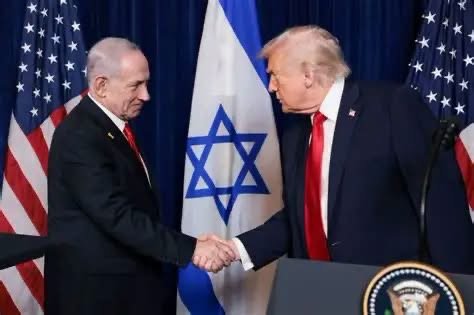
Reuters reported in June that Lee had asked U.S. President Donald Trump to take a leading role in pursuing a peaceful resolution to tensions with Pyongyang. (Investing.com)
The involvement of Washington could therefore become important if Lee’s latest proposal gains traction.
China’s participation could be equally consequential, although the precise diplomatic format would likely depend on whether North Korea agrees to return to negotiations.
Regional Stability at Stake
For South Korea, the stakes extend beyond the question of a formal peace treaty.
The peninsula remains one of the world’s most heavily militarised regions, and any serious deterioration in relations could have consequences for regional and global security.
A reduction in military tensions could potentially improve stability in Northeast Asia and create conditions for discussions on humanitarian exchanges, family reunions, economic cooperation and cross-border communication.
However, South Korea’s efforts must also contend with Japan’s security concerns, the United States’ strategic interests and China’s relationship with North Korea.
Lee used his Liberation Day speech to address relations with Japan as well, signalling a broader strategy of strengthening regional cooperation while pursuing engagement with Pyongyang. (Reuters)
For Wengglobal, the significance of Lee’s announcement lies not simply in the prospect of another round of diplomatic talks, but in the attempt to address the unresolved political status of the Korean War itself.
More than seven decades after the guns fell silent, the Korean Peninsula remains technically without a formal peace treaty. Lee’s proposal seeks to change that reality through dialogue rather than confrontation.
Whether Pyongyang accepts the invitation remains uncertain. North Korea’s recent military activity, opposition to U.S.-South Korean exercises and increasingly hostile characterization of Seoul suggest that substantial obstacles remain.
Still, the proposal provides a clear indication of Seoul’s preferred direction: reducing the risk of accidental conflict, opening communication channels and pursuing a long-term framework for peaceful coexistence.
The immediate challenge will be translating that diplomatic vision into a negotiation process acceptable to North Korea, the United States and China. Until that happens, the Korean Peninsula will continue to balance between deterrence and diplomacy, with the prospect of lasting peace dependent on whether the major parties can find sufficient common ground to move beyond the armistice.
Sources
- Reuters — Report on President Lee Jae Myung’s proposal for talks to replace the Korean War armistice with a peace regime. (Reuters)
- The Guardian/Reuters — Report on Lee’s call for negotiations to formally end the Korean War and address North Korea’s nuclear programme. (The Guardian)
- Korea Times — Report on Lee’s proposal for inter-Korean talks and measures to halt North Korea’s nuclear expansion. (The Korea Times)
- Korea JoongAng Daily — Coverage of Lee’s Liberation Day call for peace talks involving the Koreas, United States and potentially China. (koreajoongangdaily)
- South China Morning Post — Report on Lee’s proposal and possible discussions over North Korea’s nuclear capabilities. (amp.scmp.com)
- Reuters — Reporting on North Korea’s military posture and the planned U.S.-South Korea Ulchi Freedom Shield exercises. (Reuters)