By Weng Patrick Atokor | Journalist at Weng Global
As speculation grows that Greater Manchester Mayor Andy Burnham could become the United Kingdom’s next prime minister, campaigners and senior political figures are urging him to break with what they describe as Labour’s longstanding “boys’ club” culture by ensuring women occupy at least half of the most influential positions in any future Cabinet.
The calls come amid renewed debate over gender representation in British politics, with advocates arguing that Labour must demonstrate its commitment to equality through leadership appointments rather than campaign promises alone.
Women’s rights organisations and equality campaigners say Burnham has an opportunity to reshape the party’s image by building a government that reflects modern Britain. They insist that equal representation at the highest levels of government is no longer simply a political aspiration but an expectation among many Labour supporters.
The debate has intensified as Burnham is increasingly mentioned as a potential successor should Labour’s leadership change in the coming years. Although no official leadership contest has been announced, his growing national profile has placed him at the centre of conversations about the party’s future direction.
Calls for Equal Representation
Campaigners argue that despite Labour’s reputation as a progressive political party, men continue to dominate many of its most influential decision-making positions.
They contend that appointing women to key offices—including Chancellor of the Exchequer, Home Secretary, Foreign Secretary and Defence Secretary—would send a powerful signal that gender equality is central to Labour’s vision for government.
Advocates say symbolic appointments alone are insufficient, stressing that women should hold portfolios with genuine authority over economic policy, national security and foreign affairs.
According to campaigners, achieving a gender-balanced Cabinet would not only improve representation but also strengthen public confidence in the government’s decision-making process by ensuring broader perspectives are reflected in national policy.
Pressure on Labour Leadership
Critics have accused Labour of failing to consistently translate its equality commitments into leadership appointments.
Although the party has introduced measures over the years to increase female representation in Parliament—including the use of all-women shortlists—campaigners argue that senior executive roles remain disproportionately occupied by men.
Political observers note that representation has improved significantly compared to previous decades, but campaigners believe progress has stalled at the highest levels of government.
Some have described the current political culture as an entrenched “boys’ club,” where influential networks continue to favour male politicians for the most powerful positions.
Burnham’s Political Standing
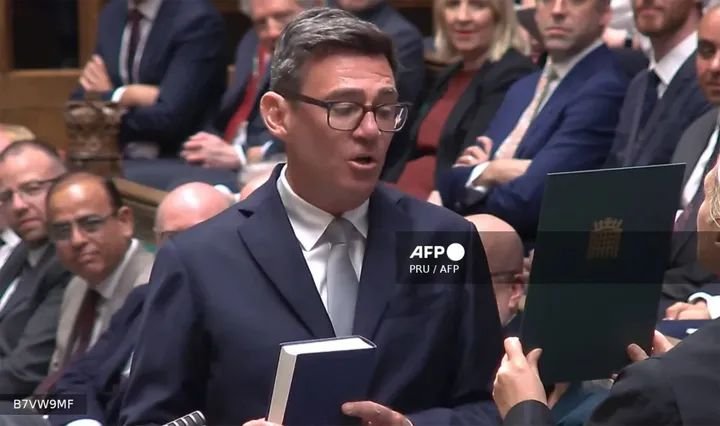
Andy Burnham has remained one of Labour’s most recognisable political figures over the past decade.
After serving in several Cabinet positions under previous Labour governments, he became Mayor of Greater Manchester in 2017, where he gained national recognition for his outspoken positions on regional funding, transport reforms, housing, policing and public services.
During the COVID-19 pandemic, Burnham attracted widespread attention for challenging the UK government’s approach to financial support for local authorities and businesses affected by lockdown restrictions.
His willingness to publicly confront central government elevated his national profile and strengthened speculation that he could eventually seek Labour’s top leadership position.
Supporters describe Burnham as a politician capable of reconnecting Labour with working-class communities while also appealing to younger and urban voters.
Gender Equality Remains Key Issue
Women’s advocacy groups argue that Britain’s political institutions continue to face significant gender disparities despite years of reforms.
They point out that while women now occupy more parliamentary seats than ever before, they remain underrepresented in several influential sectors of politics, business and public administration.
Campaigners say leadership diversity leads to better policymaking by incorporating wider experiences and perspectives into government decisions.
Research frequently cited by equality organisations suggests that balanced leadership teams can improve governance, strengthen accountability and encourage more inclusive policymaking.
Supporters of greater representation argue that equal participation should be viewed not as a quota system but as recognition of the talent available across society.
Labour Faces Internal Expectations
Within Labour, many members expect future leadership teams to better reflect the diversity of both the party and the country.
Several party activists have argued that gender equality should be considered alongside broader efforts to improve ethnic, regional and socioeconomic representation.
Political analysts say leadership appointments will likely become an important issue should a future Labour leadership contest emerge.
Any candidate seeking widespread party support may face scrutiny over proposed Cabinet appointments and commitments to diversity.
Wider Political Debate
The discussion surrounding Burnham reflects broader conversations taking place across democracies worldwide regarding women’s participation in political leadership.
Countries including Spain, Canada, Finland and New Zealand have in recent years introduced Cabinets with equal or near-equal gender representation, drawing international attention for efforts to improve diversity in government.
Advocates argue that Britain should continue moving in the same direction, ensuring leadership appointments reflect the country’s population.
Others caution that appointments should remain based primarily on competence while acknowledging that greater diversity can strengthen public institutions.
Burnham Yet to Respond
Andy Burnham has not publicly committed to appointing a gender-balanced Cabinet should he eventually become prime minister.
However, observers expect questions surrounding equality, diversity and leadership appointments to feature prominently whenever Labour’s future leadership is debated.
For campaigners, the issue extends beyond individual politicians. They argue that genuine equality requires lasting institutional change that ensures women have equal opportunities to lead at every level of government.
As political speculation continues, expectations are growing that whoever eventually leads Labour into its next chapter will face increasing pressure to demonstrate that equality is reflected not only in party policy but also in the composition of government itself.
Whether Burnham ultimately emerges as Labour’s future leader remains uncertain. Nevertheless, the growing calls for a Cabinet with equal representation underscore the evolving standards by which modern political leadership is judged.
Sources:
- BBC News
- The Guardian
- The Independent
- The Telegraph
- Sky News