Reported by Weng Patrick Atokor l journalist at wengglobal
Nigeria’s EV and CNG Revolution Enters a New Safety Era as FRSC Faces Emerging Road Risks
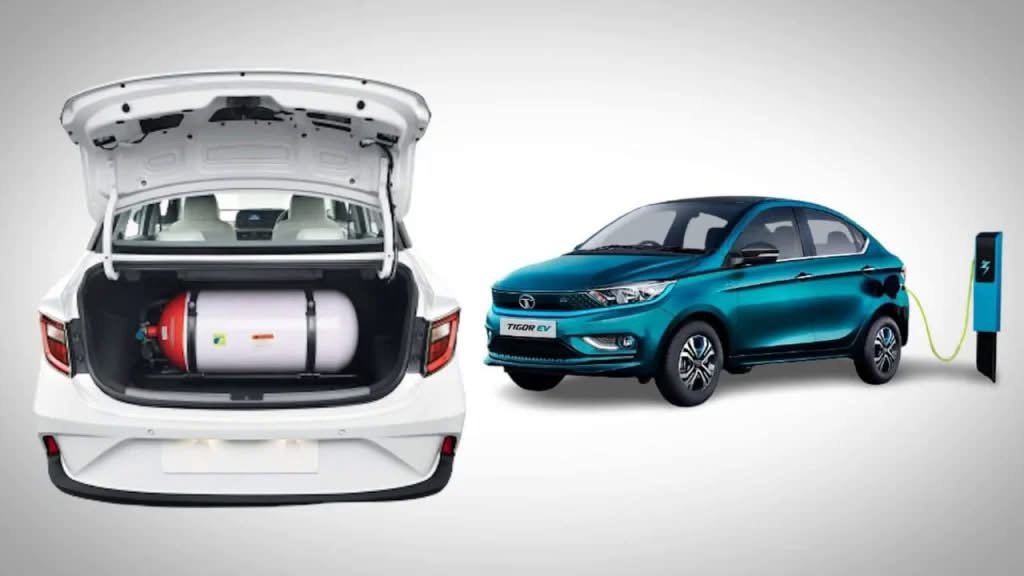
Nigeria’s transition towards electric vehicles (EVs) and Compressed Natural Gas (CNG)-powered transportation is moving from policy ambition to a visible reality on the country’s roads, creating a new set of responsibilities for regulators, motorists, technicians, emergency responders and other road users.
The shift promises significant benefits. Electric vehicles can reduce tailpipe emissions and dependence on petrol and diesel, while CNG vehicles offer motorists an alternative fuel source at a time when transportation costs remain a major concern for households and businesses.
But the transition also changes the safety environment.
As more vehicles powered by electricity and compressed natural gas enter Nigeria’s transport system, road-safety institutions must adapt to technologies that operate differently from conventional internal-combustion vehicles. The Federal Road Safety Corps (FRSC) has therefore been positioning road safety, regulation, enforcement and public awareness as important components of Nigeria’s clean-mobility transition.
At the 3rd Nigeria Auto Industry Summit in Lagos in July 2026, FRSC Corps Marshal Shehu Mohammed reaffirmed the agency’s commitment to providing the regulatory and safety framework necessary to support the adoption of EVs and CNG vehicles. National Daily Newspaper reported that Mohammed described road safety as central to the success of the Federal Government’s clean-mobility agenda. The summit brought together policymakers, regulators, manufacturers and other stakeholders to discuss the future of Nigeria’s automotive sector. (National Daily)
The development is significant because Nigeria’s automotive transition is occurring at the same time as the country continues to grapple with longstanding road-safety challenges, including vehicle defects, poor driving practices, inadequate enforcement, road conditions and insufficient public understanding of emerging vehicle technologies.
The question now is not simply how quickly Nigerians can move from petrol-powered vehicles to cleaner alternatives. It is whether the country can build a safety system capable of keeping pace with that transition.
A changing vehicle landscape
Nigeria’s push towards alternative-fuel transportation gained momentum following the removal of the petrol subsidy, which intensified pressure on motorists, transport operators and businesses.
The Federal Government subsequently expanded its CNG programme, promoting natural gas as a lower-cost alternative for road transportation. At the same time, interest in electric mobility has grown, supported by private-sector investment, government initiatives and increasing global demand for lower-emission transportation.
The Presidential Initiative on CNG and Electric Vehicles says more than 120,000 vehicles have been converted under the national programme, while its current infrastructure includes hundreds of accredited conversion centres and a growing network of CNG refuelling stations. (Pi-CNG & EV: Presidential Initiative)
The figures illustrate the scale of the transition, but they also highlight why safety standards cannot be treated as an afterthought.
The National Automotive Design and Development Council (NADDC) announced in May 2026 that it had worked with the Automotive Sector Skills Council to develop a training manual covering CNG and EV operations, safety standards, conversion procedures and maintenance practices.
According to NADDC, the manual contains nine modules on CNG and 10 on electric vehicles and is intended for automotive professionals, training institutions, regulatory bodies and other stakeholders. The council emphasised that EV maintenance requires advanced electrical expertise beyond conventional vehicle servicing. (NDDGRA)
That emphasis on technical capacity is crucial.
A vehicle can be technologically advanced while remaining unsafe if it is converted incorrectly, poorly maintained, operated beyond its specifications or repaired by inadequately trained personnel.
CNG safety: pressure demands discipline
CNG is not inherently an unsafe fuel. But its use introduces specific technical considerations that motorists and emergency responders must understand.
Unlike petrol, which is stored as a liquid, compressed natural gas is stored under high pressure. That means the condition, installation and maintenance of cylinders, valves, fuel lines, regulators and other components are critical.
Nigeria has already taken steps to establish technical standards.
The Standards Organisation of Nigeria (SON) said in 2024 that it had presented 80 newly approved Nigerian Industrial Standards covering CNG road vehicles and related appliances to the Presidential CNG Initiative. The standards were developed to support safety and quality within the emerging CNG ecosystem. (Son)
The Presidential Initiative also states that conversion kits within its network are certified by SON and installed through accredited centres by trained technicians. It advises motorists to use approved conversion facilities rather than informal or uncertified installers. (Pi-CNG & EV: Presidential Initiative)
This is particularly important because the rapid growth of demand can create opportunities for unqualified operators.
A poorly executed conversion can undermine the safety benefits of the technology. Consequently, motorists considering conversion should verify that the installer is accredited, the components meet applicable standards and the vehicle receives appropriate inspection and maintenance.
For emergency responders, identifying CNG-powered vehicles after crashes is equally important. Firefighters, recovery operators, police officers and road-safety personnel need appropriate knowledge of where high-pressure components are located and how damaged systems should be handled.
The wider lesson is straightforward: alternative fuel does not eliminate risk; it changes the nature of some risks and requires specialised preparedness.
Electric vehicles introduce a different safety equation
Electric vehicles present another set of considerations.
Their high-voltage battery systems are fundamentally different from petrol-powered engines and conventional 12-volt vehicle electrical systems. A damaged battery pack may require specialised assessment following a serious crash, while technicians working on high-voltage systems require appropriate training and protective procedures.
One of the principal technical concerns associated with lithium-ion batteries is thermal runaway, in which a battery cell can experience an uncontrolled rise in temperature that may spread to neighbouring cells.
That does not mean EVs should be portrayed as inherently dangerous. Such a conclusion would be misleading.
Rather, it means emergency services and automotive technicians must understand the technology well enough to identify and manage incidents involving high-voltage systems.
Nigeria’s growing EV market therefore makes the NADDC training initiative particularly relevant. The council has explicitly noted that servicing EVs requires specialised electrical expertise beyond conventional automotive maintenance. (NDDGRA)
The road-safety implications extend beyond mechanics.
First responders need to know how to identify an EV after a collision, isolate hazards appropriately and coordinate recovery. Vehicle inspection regimes also need to evolve so that damaged high-voltage components are properly assessed before a vehicle is returned to service.
The “silent vehicle” challenge
Another issue attracting international road-safety attention is the quietness of electric vehicles at low speeds.
Petrol and diesel vehicles naturally generate engine and exhaust noise, which can provide pedestrians with an additional auditory clue that a vehicle is approaching.
Electric vehicles are considerably quieter, especially at lower speeds.
This can matter in urban environments, parking areas, residential streets and other locations where pedestrians, cyclists and motorists rely on multiple sensory cues to anticipate traffic.
Research published in Accident Analysis & Prevention examined perceptions surrounding quiet EVs and found that pedestrians may have greater difficulty detecting them acoustically. Other research has found that warning sounds can improve the detectability of electric vehicles. (ScienceDirect)
International regulators have consequently developed systems designed to make EVs more detectable at low speeds.
The United Nations Economic Commission for Europe has previously highlighted the safety issue surrounding quiet vehicles, noting that conventional engine noise can provide useful information to pedestrians and other road users about the presence and movement of vehicles. (UNECE)
For Nigeria, the issue deserves particular attention because of the country’s distinctive traffic environment.
Roads are shared not only by cars, buses and trucks but also by motorcycles, tricycles, pedestrians, roadside traders and other vulnerable road users. In crowded urban environments, road users often make rapid decisions based on limited visual and auditory information.
An increasingly quiet vehicle fleet therefore requires stronger driver awareness and potentially appropriate technical standards for vehicle-alert systems.
However, the issue should not be exaggerated. Research does not establish that EVs are automatically more dangerous to pedestrians. A study published in Proceedings of the Institution of Civil Engineers – Transport, for example, found no convincing evidence that electric vehicles constitute a uniquely dangerous category for vulnerable road users, while still recognising the importance of understanding injury risks and vehicle characteristics. (ScienceDirect)
The appropriate response is therefore better design, better regulation and better awareness—not fear of electric mobility.
Nigeria’s road users must also adapt
Technology alone cannot solve road-safety problems.
Drivers transitioning from conventional vehicles to EVs or CNG vehicles need to understand the characteristics of their new vehicles.
Electric vehicles can deliver immediate torque and may respond differently from conventional cars. Drivers need to understand acceleration characteristics, regenerative braking, charging requirements and battery-related warnings.
CNG motorists, meanwhile, need to understand refuelling procedures, inspection requirements and the importance of maintaining the vehicle’s gas system.
The safest transition will be one in which motorists receive proper information before they begin operating the vehicles.
This makes driver education an important part of the responsibility facing FRSC.
The agency already operates programmes covering driver education, driving-school standardisation, fleet safety and vehicle compliance. Its Road Transport Safety Standardization Scheme, for example, is designed to promote vehicle inspection, driver training and compliance among fleet operators. (FRSC)
Those programmes will increasingly need to account for alternative propulsion systems.
Emergency response must evolve with the vehicles
One of the less discussed aspects of Nigeria’s clean-transport transition is emergency preparedness.
When conventional vehicles dominate the road, emergency responders develop familiarity with their mechanical and fuel systems. As the vehicle fleet changes, response procedures must change with it.
Police, FRSC personnel, firefighters, ambulance teams, tow operators and accident investigators need access to appropriate information about different vehicle types.
This could include vehicle identification guides, emergency response protocols, training on high-voltage systems, CNG cylinder awareness and procedures for damaged vehicles.
The objective should not be to create unnecessary fear around new technology but to ensure that responders are never encountering unfamiliar hazards for the first time during a serious emergency.
NADDC’s development of dedicated CNG and EV training materials is therefore an important step towards building that institutional capacity. (NDDGRA)
Regulation must keep pace with innovation
Nigeria’s automotive policy is also evolving.
In June 2026, The Guardian Nigeria reported that the Federal Government was reviewing the national automotive policy to accommodate emerging technologies, including electric vehicles, CNG-powered vehicles and other alternative-energy solutions. The report also quoted former FRSC Corps Marshal Boboye Oyeyemi calling for consistent policy and greater emphasis on local automotive manufacturing. (The Guardian Nigeria)
The policy question is bigger than fuel choice.
It involves vehicle standards, component quality, conversion procedures, maintenance certification, technician training, charging infrastructure, CNG infrastructure, insurance, vehicle inspection, emergency response and consumer protection.
Without comprehensive regulation, rapid technological adoption could produce a fragmented market in which standards vary significantly from one operator to another.
That would be particularly problematic in a country where used vehicles form a substantial part of the automotive market.
Infrastructure is part of safety
Road safety does not begin when a vehicle enters traffic.
It begins with the infrastructure supporting that vehicle.
CNG motorists need safe, accessible refuelling stations. EV users need reliable charging infrastructure. Charging facilities need appropriate electrical installations and safety controls. CNG stations require proper handling procedures, trained personnel and compliance with applicable standards.
The Presidential Initiative says its CNG network has expanded significantly, with accredited conversion centres and operational stations across multiple states. (Pi-CNG & EV: Presidential Initiative)
But the long-term challenge will be ensuring that infrastructure expansion maintains safety standards as demand increases.
For electric mobility, Nigeria’s electricity supply and charging infrastructure also present practical considerations. A growing EV market will require charging systems that are reliable and appropriately installed, while consumers will need clear guidance on safe home and commercial charging.
The country’s clean-mobility strategy must therefore be viewed as an ecosystem rather than simply a decision to replace petrol with electricity or gas.
A safer transition requires public trust
Public confidence will be essential to the success of Nigeria’s automotive transformation.
If motorists associate CNG with poorly executed conversions, or EVs with mysterious battery incidents, adoption could suffer.
The answer is transparency.
Regulators should communicate safety requirements in language ordinary motorists can understand. Manufacturers and conversion companies should provide clear maintenance information. Driving schools should incorporate alternative-fuel vehicles into their curricula. Emergency responders should receive specialised training.
Most importantly, enforcement should apply equally to established operators and new entrants.
Nigeria does not need to choose between clean transportation and road safety. The two objectives can reinforce each other if technological adoption is accompanied by rigorous standards.
The road ahead
Nigeria’s movement towards CNG and electric mobility represents one of the country’s most consequential changes in transportation in recent years.
The potential benefits are considerable: lower dependence on petrol, reduced tailpipe emissions, new automotive skills, investment opportunities and a pathway towards a more diversified transport-energy system.
But the transition also demands a new safety culture.
For FRSC, that means updating enforcement and public education to reflect changing vehicle technologies.
For NADDC, it means continuing to develop training and certification systems capable of producing technicians equipped for modern vehicles.
For SON and other regulators, it means ensuring that equipment and conversion components meet established standards.
For manufacturers and operators, it means treating safety as a core business obligation rather than a regulatory hurdle.
For motorists, it means understanding that owning a new-technology vehicle comes with new responsibilities.
And for emergency services, it means ensuring that the next generation of vehicles does not become the next generation of unfamiliar hazards.
The most important lesson is that Nigeria’s clean-mobility transition should not be measured solely by the number of CNG conversions or electric vehicles on the road.
It should also be measured by how effectively the country protects the people using those roads.
The emergence of electric and CNG vehicles is not, by itself, a road-safety crisis. It is a technological transition that requires Nigeria’s safety institutions to evolve alongside the vehicles.
The country has already begun laying parts of that foundation through CNG standards, accredited conversion systems, automotive training and renewed regulatory attention.
The next challenge is implementation.
As Nigeria embraces quieter motors, high-voltage batteries and high-pressure gas systems, road safety must remain at the centre of the conversation.
The future of Nigerian mobility will not be judged only by how clean or affordable vehicles become. It will ultimately be judged by whether Nigerians can use them safely.
Sources
1. National Daily Newspaper — NAISU 2026; FRSC pledges robust safety framework for EV, CNG adoption — reporting on the FRSC Corps Marshal’s July 2026 commitment to a safety and regulatory framework for EV and CNG adoption. (National Daily)
2. The Guardian Nigeria — FG urged to prioritise local manufacturing; policy review targets EVs, CNG vehicles — reporting on Nigeria’s review of automotive policy to accommodate EVs, CNG and other emerging technologies. (The Guardian Nigeria)
3. Standards Organisation of Nigeria (SON) — SON Presents 80 Newly Approved Standards on CNG Road Vehicle and Related Appliances — official information on Nigerian standards covering CNG road vehicles and related equipment. (Son)
4. National Automotive Design and Development Council (NADDC) — NADDC, Sector Skill Council Develop Training Manual on CNG and EV Operations — official information on training and safety standards for CNG and EV operations. (NDDGRA)
5. Presidential Initiative on CNG and Electric Vehicles — official programme information on Nigeria’s CNG and EV transition, accredited conversion centres and infrastructure. (Pi-CNG & EV: Presidential Initiative)
6. Federal Road Safety Corps (FRSC) — official information on road-transport safety standardisation, driving-school regulation and road-safety procedures. (FRSC)
7. Accident Analysis & Prevention / ScienceDirect — research examining the road-safety implications of quiet electric vehicles and pedestrian detection. (ScienceDirect)
8. United Nations Economic Commission for Europe (UNECE) — background on safety considerations surrounding quiet electric and hybrid vehicles. (UNECE)
9. Proceedings of the Institution of Civil Engineers – Transport / ScienceDirect — research examining injury risks associated with electric vehicles and vulnerable road users. (ScienceDirect)
Tags: Nigeria Electric Vehicles, CNG Vehicles Nigeria, FRSC Road Safety, EV Battery Safety, Nigeria Clean Transportation
Meta Description: Nigeria’s rapid adoption of electric and CNG vehicles is creating new road-safety priorities. WengGlobal examines EV battery risks, quiet vehicles, CNG safety, emergency response and the regulatory framework needed for safer clean mobility.