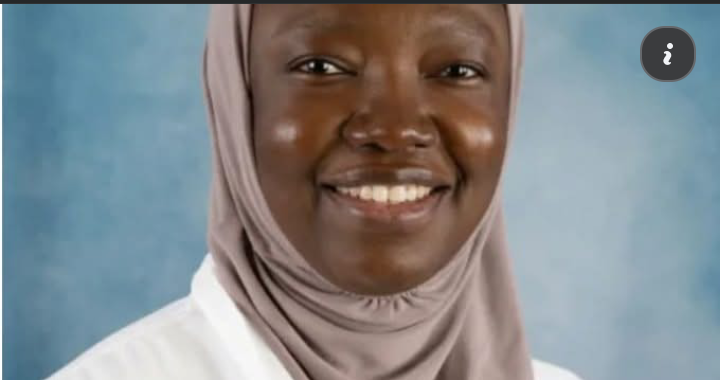
Reported Simon Daniel Yusuph l journalist at wengglobal
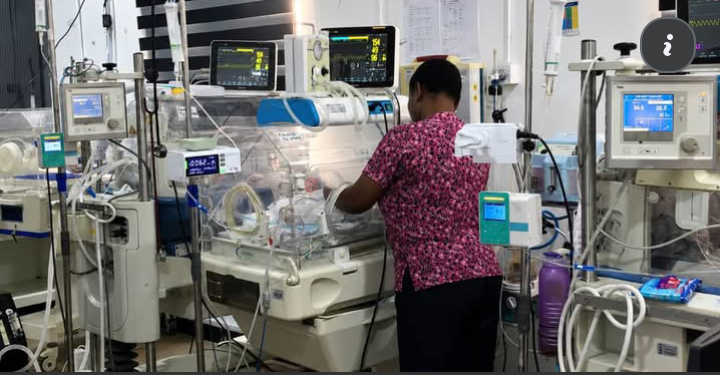
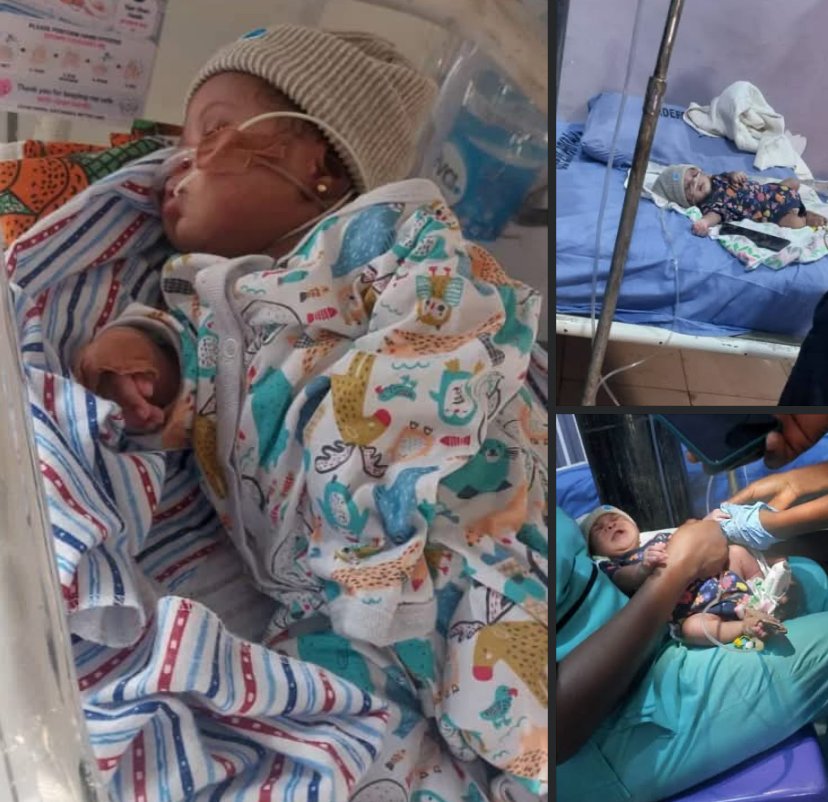
The family of three-month-old Adegbite Robiah is appealing for financial assistance to raise ₦17 million required for an urgent corrective heart surgery that doctors have reportedly recommended for the infant.
The appeal has drawn attention to the difficult choices families of children requiring specialised cardiac care can face when treatment costs run into millions of naira, particularly where urgent intervention is necessary and resources are limited.
According to the information provided by the family, Robiah is only three months old and requires corrective surgery for a heart condition. Her relatives are seeking support from members of the public, organisations, philanthropists and other well-meaning Nigerians to help raise the required funds and give the child an opportunity to receive the treatment.
The family says the target is ₦17 million, making time a critical factor in their fundraising effort.
Family Seeks Public Support
The appeal for assistance is centred on securing the funds needed for the baby’s surgery and related medical care.
For families confronting serious medical conditions in infancy, the financial burden can extend beyond the cost of the procedure itself. Expenses may include diagnostic investigations, specialist consultations, hospital admission, medications, transportation, post-operative monitoring and follow-up treatment.
In Robiah’s case, the family has appealed to Nigerians to contribute towards the stated ₦17 million target, stressing the urgency of securing the necessary medical intervention.
The appeal reflects a wider reality in Nigeria, where families sometimes turn to public fundraising when specialised medical treatment exceeds their available financial capacity.
However, because medical fundraising involves substantial public contributions, transparency remains essential. Donors need reliable information about the patient’s condition, the treating medical facility, the prescribed procedure and the destination of funds. Such information can help members of the public make informed decisions while protecting vulnerable families from misinformation or fraudulent fundraising.
Why Early Treatment Matters in Infant Heart Conditions
Heart conditions diagnosed during infancy can vary considerably in their severity, symptoms and treatment requirements. Some congenital heart defects may require monitoring, medication or minimally invasive procedures, while others require corrective surgery.
Congenital heart defects are among the most common birth defects globally. The World Health Organization has noted that congenital anomalies can result in long-term disability and may require medical, surgical and other forms of care depending on their nature and severity.
In Nigeria and other low- and middle-income countries, access to specialised paediatric cardiac services can present additional challenges. Limited specialist capacity, the cost of complex procedures and availability of appropriate facilities can all affect treatment pathways.
For a baby as young as Robiah, the family’s description of the operation as urgent underlines the need for the child to remain under qualified medical supervision while arrangements for treatment and funding are pursued.
It is important, however, that the exact diagnosis and medical prognosis be established by the child’s treating specialists. Public reports should not substitute for professional medical assessment.
The Cost of Specialist Healthcare
The ₦17 million fundraising target highlights the financial pressure that can accompany specialised healthcare in Nigeria.
Although the country has expanded access to health insurance through reforms including the National Health Insurance Authority Act, many Nigerians still face significant out-of-pocket expenses, particularly for highly specialised treatment.
The National Health Insurance Authority has continued to promote broader health insurance coverage as part of efforts to reduce financial hardship associated with healthcare.
Yet complex paediatric cardiac procedures may involve specialised teams, equipment and facilities that are not readily available in every location. Where a particular procedure cannot be accessed locally, families may also face additional costs associated with referral or treatment outside their immediate community.
For parents of critically ill children, these financial realities can be particularly difficult because medical decisions often have to be made while the family is simultaneously attempting to mobilise funds.
Robiah’s case therefore illustrates the importance of strengthening systems that enable children requiring specialised care to access treatment without families being pushed into severe financial hardship.
Public Fundraising and Accountability
Crowdfunding and public appeals have become increasingly visible avenues for Nigerians seeking assistance with medical bills.
Social media has made it possible for individual cases to reach thousands of potential donors within a short period. This can provide a lifeline for families who might otherwise struggle to raise large sums of money.
At the same time, public appeals involving medical treatment should be approached with appropriate safeguards.
For Robiah’s family, maintaining clear documentation of the medical diagnosis, treatment recommendation and estimated cost can help potential donors verify the appeal. Where donations are made through an organisation or designated account, transparent reporting can also help demonstrate how funds are being applied.
This is particularly important because medical emergencies can make families vulnerable to exploitation by individuals seeking to misappropriate funds.
For members of the public considering supporting the infant, contributions should therefore be made through verified channels associated with the family, hospital or recognised fundraising partners.
Broader Challenge of Paediatric Cardiac Care
Robiah’s case comes against the background of longstanding concerns about access to paediatric cardiac care in Nigeria.
Congenital heart disease requires specialised diagnosis and treatment, including access to paediatric cardiologists, cardiothoracic surgeons, intensive-care services, diagnostic imaging and appropriate post-operative care.
The availability of these services varies across regions, meaning that some families may have to travel considerable distances to reach appropriate centres.
Healthcare organisations, government agencies, charities and medical foundations have consequently played roles in supporting cardiac screening, surgery and treatment for children.
The broader challenge is not simply the cost of individual surgeries. It also involves building a sustainable healthcare system capable of diagnosing congenital heart conditions early, referring patients appropriately and providing treatment within the country whenever possible.
Reducing dependence on emergency fundraising would require stronger health financing mechanisms, wider insurance coverage, increased investment in specialist services and improved infrastructure.
A Call for Timely Assistance
For Robiah’s family, however, the immediate concern remains the ₦17 million required for the baby’s surgery.
At three months old, the infant is at a particularly vulnerable stage of life, and the family’s appeal is aimed at mobilising assistance before the medical situation becomes more difficult.
The appeal is also a reminder that medical emergencies involving children affect entire families. Parents and relatives may have to suspend work, travel between hospitals, seek financial assistance and manage the emotional strain associated with a child’s illness.
Public support can help ease some of that burden, but such assistance is most effective when accompanied by proper medical documentation and financial accountability.
The family is therefore appealing to individuals, corporate organisations, charitable foundations, community groups and philanthropists who may be willing and able to assist.
What Can Be Done Beyond Individual Donations
While immediate fundraising can provide an essential response to Robiah’s situation, cases like hers also raise broader questions about how Nigeria can improve access to specialised healthcare for children.
Government and healthcare stakeholders can strengthen referral systems and expand specialist cardiac services. Increased investment in paediatric cardiology and cardiothoracic surgery could reduce the need for families to depend heavily on emergency fundraising.
Health insurance coverage can also play a greater role in protecting families from catastrophic medical expenditure. Where specialised procedures are covered, families may have a more predictable pathway to treatment rather than relying entirely on personal savings and public appeals.
Non-governmental organisations and philanthropic institutions can complement these efforts through structured medical assistance programmes, particularly for children from financially vulnerable households.
For families, early medical assessment remains important. Congenital heart conditions can sometimes be detected during pregnancy or shortly after birth, allowing doctors to determine appropriate monitoring and treatment plans.
The Human Dimension
Behind the ₦17 million target is an infant whose family is seeking an opportunity for her to receive potentially life-changing medical care.
Robiah’s story is therefore not simply a fundraising appeal. It is also part of a larger conversation about children’s health, access to specialised treatment and the financial vulnerability of Nigerian families facing complex medical emergencies.
As the family seeks support, the priority should remain on ensuring that the child receives appropriate care from qualified specialists and that any funds raised are applied transparently to her treatment.
For wengglobal, the case underscores the need for responsible reporting of medical appeals. Public awareness can help connect vulnerable families with legitimate assistance, but journalism must equally protect accuracy, dignity and accountability.
Robiah’s family has appealed to Nigerians to help raise the ₦17 million needed for her corrective heart surgery. The outcome of that appeal will depend on the response of individuals and institutions willing to support the infant, as well as the medical team’s ability to provide the required treatment.
More broadly, her situation highlights the continuing need for stronger mechanisms to ensure that no child requiring urgent specialised healthcare is left without treatment simply because a family cannot independently meet the cost.
Sources and Context
- World Health Organization (WHO) — information on congenital anomalies, including congenital conditions that can require medical and surgical treatment. World Health Organization
- National Health Insurance Authority (NHIA), Nigeria — official information on Nigeria’s health insurance framework and efforts to expand healthcare coverage. National Health Insurance Authority
- Federal Ministry of Health and Social Welfare, Nigeria — national healthcare policy and programmes relevant to access to specialised medical services. Federal Ministry of Health and Social Welfare
- The information supplied for this report — details of Adegbite Robiah’s age, reported medical need and the family’s ₦17 million fundraising target. Wengglobal was unable to independently locate a sufficiently detailed report from a major national or international news outlet confirming these specific details at the time of publication. The fundraising appeal should therefore be independently verified by prospective donors through the family’s medical and fundraising documentation.