Reported by Simon Daniel Yusuph l Journalist at Weng Global
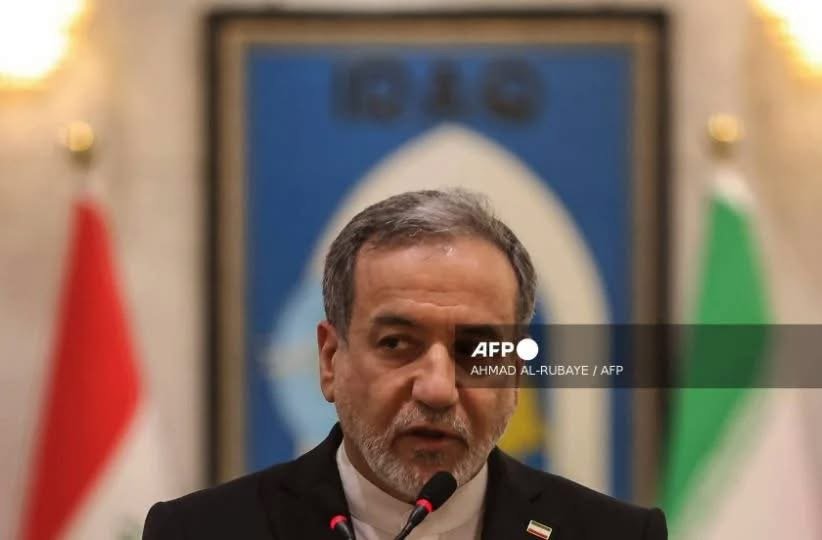
Iran’s security chief, Mohsen Rezaei, has threatened to target United States military bases outside the Middle East, including installations in Europe, if Washington uses them to launch fresh military attacks against the Islamic Republic.
Rezaei issued the warning on Wednesday, November 11, 2026, during an interview with Lebanon-based television network Al Mayadeen, saying Tehran would not restrict its military response to American installations located within the Middle East if the United States attacks Iran again.
The statement marks a significant escalation in Iran’s military rhetoric, potentially widening the geographical scope of the confrontation between Tehran and Washington and raising concerns among European countries hosting American military facilities.
According to reports of the interview, Rezaei warned that any American military base used to launch aircraft against Iranian territory could become a target, regardless of its geographical location.
His remarks also extended to distant military installations and islands that he said Washington might consider beyond the reach of Iranian missiles.
Iran Warns US Against Using European Military Bases
During the interview, Rezaei made clear that Iran would consider American military facilities outside the Middle East legitimate targets if they were used to conduct attacks against the country.
He specifically mentioned installations in European countries, warning that Tehran’s retaliation would not be confined to neighbouring American bases.
Rezaei said Iran would target military facilities from which American aircraft departed to carry out bombing operations against Iranian territory.
He also warned that the country could strike distant American military installations that had not previously been targeted.
The Iranian official did not identify specific European countries or military installations that could face retaliation.
He equally did not provide operational details about the weapons, potential targets or circumstances under which such attacks might be carried out.
However, the warning has increased attention on the security implications for countries that host American military personnel, aircraft and other defence infrastructure.
Iran Signals Wider Military Response Beyond the Middle East
Rezaei’s remarks suggest that Iran is prepared to expand the geographical reach of any potential retaliation against the United States.
The security chief indicated that Tehran would consider military facilities beyond the Middle East if they were directly involved in an attack against Iran.
He also referred to certain islands that American officials might consider outside the range of Iranian missiles, suggesting that Tehran believes its military capabilities could reach targets previously regarded as difficult to attack.
However, the actual operational reach of Iran’s missile systems remains an important question.
Rezaei did not provide independently verifiable technical evidence to support his claims about the country’s ability to strike all the distant locations mentioned.
Iran’s military capabilities, particularly its long-range missile systems, have remained a major concern for the United States, Israel and other countries in the region.
The latest warning therefore raises questions about whether Tehran’s military strategy could increasingly extend beyond its immediate neighbourhood if hostilities resume.
European Countries Face Potential Security Concerns
The threat has implications for European countries that host American military installations.
The United States maintains military facilities and personnel across several European countries through bilateral defence agreements and its membership of the North Atlantic Treaty Organization (NATO).
These installations support American military operations, logistics, intelligence activities and defence cooperation with European allies.
Although Rezaei did not identify particular facilities, his warning places renewed attention on the potential risks associated with hosting American forces during an international military confrontation.
Countries hosting US military installations could face difficult security and diplomatic decisions if Washington seeks to use their facilities in any future operation against Iran.
Such decisions could involve questions of national sovereignty, alliance commitments, international law and the safety of civilian populations.
The warning does not establish that Iran has decided to attack any European country. Rather, Rezaei’s stated position is that American installations used in attacks against Iran could become targets.
This distinction is important because the threat is conditional on the involvement of those facilities in military operations against Tehran.
Background to the Iran-US Military Confrontation
The latest warning comes amid an ongoing military confrontation involving Iran, the United States and Israel.
The conflict began on February 28, 2026, following American and Israeli strikes against Iran that killed the country’s Supreme Leader, Ayatollah Ali Khamenei, according to reports by international news organisations.
The confrontation has since expanded beyond its initial military targets, with Iranian officials warning of retaliation against American interests in the region.
The conflict has also increased concerns about regional stability, international energy markets and the security of important maritime routes.
Iran has repeatedly maintained that it has the right to defend itself against military attacks.
Washington, meanwhile, has maintained pressure on Tehran over its military activities and nuclear programme.
The latest statements from Rezaei indicate that Iranian authorities are continuing to communicate the possibility of a broader response if the United States resumes attacks.
Iran Rejects Transfer of Enriched Nuclear Material Abroad
Rezaei also addressed Iran’s nuclear programme during the interview, making clear that Tehran would not allow its enriched nuclear material to be transferred outside the country.
According to Reuters, the Iranian security chief said the material would remain under Iranian control despite diplomatic discussions and proposals involving foreign governments.
His comments came amid continuing disagreements between Iran and the United States over the future of Tehran’s nuclear programme.
Russia has reportedly offered to remove enriched uranium from Iran as part of a possible diplomatic arrangement.
However, Rezaei indicated that Tehran had rejected the proposal and intended to retain its nuclear material for domestic purposes.
The nuclear issue remains one of the most significant obstacles to resolving the confrontation between Washington and Tehran.
Western governments have expressed concerns about Iran’s uranium enrichment activities and the possibility that they could contribute to the development of nuclear weapons.
Iran has consistently denied pursuing nuclear weapons, maintaining that its nuclear programme is intended for peaceful purposes.
The disagreement over enriched uranium, international sanctions and security guarantees continues to complicate diplomatic efforts.
Diplomatic Negotiations Remain Uncertain
Rezaei also said Iran was not currently engaged in direct negotiations with the United States.
His comments came amid reports of diplomatic efforts involving regional mediators seeking to prevent further escalation.
Iran has reportedly presented seven conditions for a possible settlement with Washington.
The conditions are linked to wider disagreements over sanctions, military activities, regional security and the future of the conflict.
Reuters reported that Tehran had communicated its position through diplomatic channels and remained unwilling to surrender control of its enriched nuclear material.
The United States, however, has maintained that Iran’s nuclear activities must be addressed in any meaningful agreement.
The differences between both countries suggest that reaching a lasting settlement could remain difficult without compromises on major security and political issues.
The absence of a confirmed direct negotiating process also increases uncertainty about whether diplomatic channels can prevent another round of military confrontation.
Implications for NATO and International Security
Although Rezaei’s warning was directed at American military installations, its potential implications extend to NATO and wider European security.
The alliance operates on the principle of collective defence, under which an armed attack against one member can trigger consultations and potentially collective action under Article 5 of the North Atlantic Treaty.
However, whether a particular incident would activate collective defence arrangements would depend on the circumstances and decisions of NATO members.
An Iranian attack against an American installation located in a European country could therefore create a complicated diplomatic and security situation, particularly if civilian areas or personnel from other NATO members were affected.
European governments would have to consider their responsibilities towards their citizens, their relationships with Washington and the wider consequences of becoming directly involved in the confrontation.
The situation also highlights the risks of military escalation spreading beyond the countries directly involved in an initial conflict.
For international security, the possibility of attacks on distant military facilities reinforces concerns about the geographical reach of modern warfare.
Potential Impact on Global Energy and Trade
The continuing confrontation between Iran and the United States also carries economic implications.
The Middle East remains central to international energy production and transportation, making military instability in the region a concern for oil-importing and oil-exporting countries.
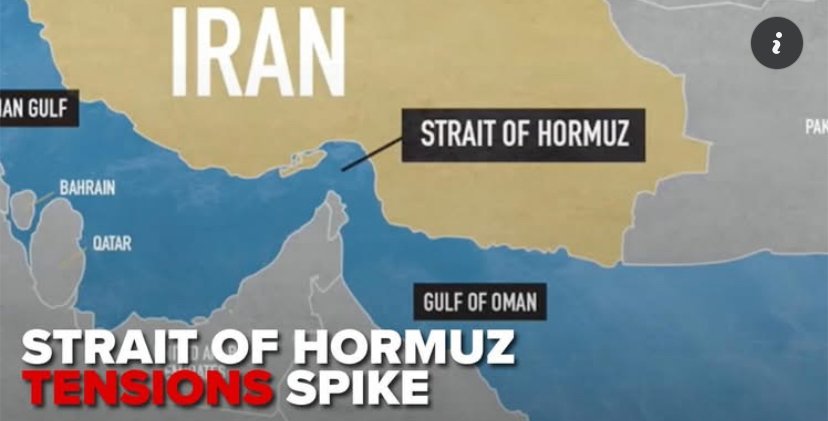
The Strait of Hormuz is particularly important because it serves as a major route for international oil and gas shipments.
Any prolonged disruption to shipping through the waterway could affect global energy supplies, transportation costs and commodity prices.
For African countries, including Nigeria, developments involving Iran and the United States deserve close attention because changes in international oil markets can influence government revenues, fuel prices and broader economic conditions.
Nigeria is a major crude oil producer but remains exposed to movements in international energy prices and the cost of imported petroleum products.
A wider conflict could therefore create both opportunities and risks for African economies, depending on changes in production, shipping, investment and international demand.
These economic consequences remain dependent on how the confrontation develops and whether diplomatic efforts prevent further military escalation.
What Happens Next?
Rezaei’s warning has placed renewed attention on the possibility of a wider military confrontation if the United States launches additional attacks against Iran.
However, the Iranian official has not announced a specific timeline for any potential operation or identified particular European military bases as confirmed targets.
The immediate focus will remain on developments between Washington and Tehran, particularly the possibility of renewed military action and efforts to establish a diplomatic settlement.
European governments are also likely to monitor the situation closely because of their military cooperation with the United States and the potential security consequences of any escalation.
The future of negotiations will depend largely on whether both countries can bridge their differences over military security, sanctions and Iran’s nuclear programme.
For now, Rezaei’s statement represents a clear warning from Tehran that any future American military operation against Iran could have consequences extending far beyond the Middle East.
The central concern for the international community is whether diplomatic efforts can prevent the confrontation from developing into a broader conflict involving additional countries and military alliances.
Weng Global – stories beyond borders
Sources
- Reuters – Reporting on Mohsen Rezaei’s military warning and Iran’s nuclear position.
- Radio Television Ireland (RTÉ) – Report on Iran’s threat against American military bases in Europe.
- Agence France-Presse (AFP) – Coverage of Rezaei’s warning.
- Iran International – Reporting on Iran’s potential retaliation against distant American military installations.
- The Guardian – Reporting on the continuing Iran-US confrontation and diplomatic tensions.