Reported by Simon Daniel Yusuph l Journalist at Weng Global
Canadian wildlife authorities have killed four grizzly bears after DNA testing confirmed that the animals were responsible for a fatal attack that claimed the lives of a 48-year-old mother and her 20-year-old daughter near Bella Coola in British Columbia, western Canada.
The British Columbia Conservation Officer Service (BCCOS) confirmed on Tuesday, November 10, 2026, that forensic investigations had conclusively linked a female grizzly bear and her three yearling cubs to the deaths of Jenny Balcarras and her daughter, Selah Reed.
Authorities said the four animals were killed on public safety grounds after investigators determined their involvement in the deadly incident.
The attack has shocked residents of Bella Coola, a remote community in British Columbia, and renewed concerns about human safety in areas where people and dangerous wildlife share the same environment.
Wildlife officials also described the incident as an exceptionally rare case that likely involved predatory behaviour by the bears.
DNA Evidence Identifies Four Bears Responsible for Fatal Attack
According to the British Columbia Conservation Officer Service, DNA evidence collected during the investigation established that four grizzly bears were involved in the deaths of the two women.
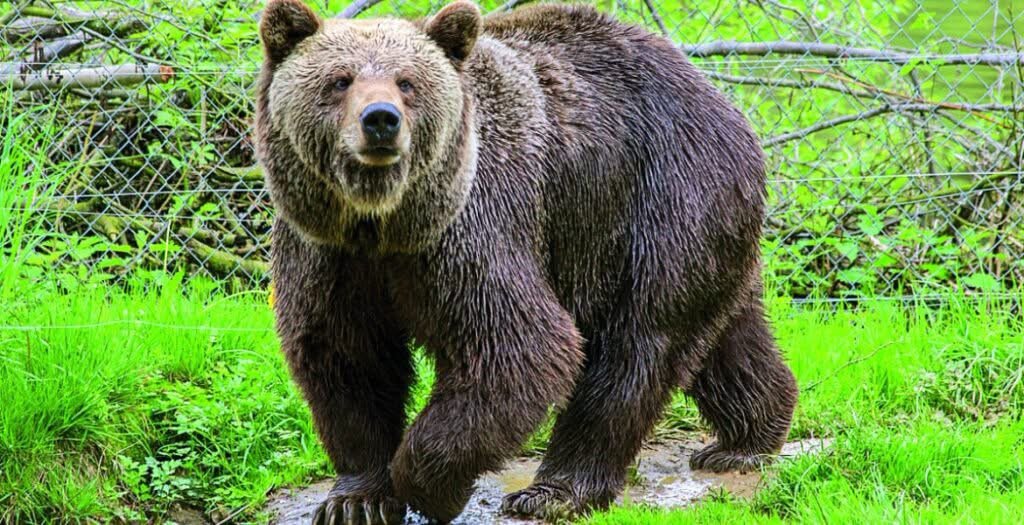
The animals consisted of an adult female bear, commonly known as a sow, and her three yearling cubs.
The confirmation followed several days of investigation and efforts by conservation officers to identify the animals responsible for the attack.
Authorities had earlier captured bears in the area and subjected them to forensic testing to establish whether they were connected to the deaths.
The investigation eventually established a conclusive link between the four captured animals and the fatal incident.
Inspector Jeff Tyre of the British Columbia Conservation Officer Service said investigators believed the attack likely involved predatory behaviour, describing such incidents as very rare.
He explained that although investigators could not establish precisely how the encounter began, the available evidence showed how it ended.
The findings provided authorities with the evidence needed to determine the appropriate wildlife management response.
Following the investigation, all four bears were killed in accordance with provincial human-wildlife conflict response guidelines.
Mother and Daughter Found Dead Near Bella Coola Trail
The victims were identified as Jenny Balcarras, 48, and her 20-year-old daughter, Selah Reed.
Their remains were discovered near the Snooka West Trail area outside Bella Coola, a remote community located approximately 1,000 kilometres north of Vancouver.
The discovery followed concerns raised by family members after Reed reportedly missed a routine Saturday evening telephone call with her sister.
The missed communication prompted relatives to raise the alarm, leading to efforts to locate the mother and daughter.
Searchers first discovered the remains of Balcarras before finding Reed’s remains in a bear cache, a location where bears store food.
The two sets of remains were found approximately 150 metres apart.
The circumstances surrounding the discovery highlighted the seriousness of the attack and the challenges investigators faced while establishing exactly what happened.
The deaths have left relatives and members of the wider community mourning the loss of two family members.
Reports identified Balcarras as an art therapist, while Reed was described as an educational assistant and accounting student.
Their deaths have also attracted international attention, particularly because the investigation identified a mother bear and her three young offspring as responsible for the attack.
Why Authorities Decided to Kill All Four Bears
The decision to kill the four grizzly bears followed the conclusion of the forensic investigation and an assessment of the potential danger they posed to the public.
According to Inspector Tyre, bears involved in fatal attacks cannot be rehabilitated or relocated because of the extreme risks they may present to human safety.
Wildlife authorities therefore considered the animals unsuitable for release back into the wild or transfer to another location.
The decision was taken under British Columbia’s human-wildlife conflict response guidelines.
Although the killing of wildlife remains a sensitive issue, particularly when endangered or vulnerable species are involved, authorities have a responsibility to protect human lives when animals are identified as presenting an immediate and serious danger.
In this case, officials said the DNA findings established the involvement of the four bears, removing uncertainty about which animals were responsible.
The decision also followed the recognition that allowing the animals to remain in the area could create additional risks for residents and visitors.
However, the incident raises broader questions about how wildlife authorities balance public safety with the protection and conservation of large carnivores.
Previous Bear Attack Had Already Traumatized the Community
The latest tragedy has been particularly distressing for Bella Coola because the community was still recovering from another serious grizzly bear attack in November 2025.
During that earlier incident, a grizzly bear attacked a group of approximately 20 elementary school students and teachers in the same general area.
Eleven people were injured, including two who sustained critical injuries.
The incident generated widespread concern about the safety of children, teachers and other residents who regularly move through areas where grizzly bears are present.
However, Inspector Tyre clarified that the four bears linked to the deaths of Balcarras and Reed were not responsible for the November 2025 school attack.
The clarification is important because the two incidents occurred in the same general community but involved different animals.
Authorities have therefore distinguished the investigations rather than suggesting that the four bears recently killed were connected to the earlier attack.
The repeated incidents have nevertheless increased anxiety among residents, particularly families with children who must travel through the surrounding environment.
Nuxalk Nation Expresses Concern Over Renewed Trauma
The deaths have also deeply affected the Nuxalk Nation, an Indigenous community whose members live in and around Bella Coola.
The community has been dealing with the emotional consequences of the earlier school attack, making the latest tragedy particularly difficult.
Tlhmtimut Samuel Schooner, the elected chief councillor of the Nuxalk Nation, said the latest incident had reopened painful memories for community members.
He indicated that the community was still working through the trauma associated with the previous attack.
Schooner also said support services would remain available for residents for as long as they were needed.
The response highlights the importance of providing psychological and community support following incidents involving fatalities and threats to public safety.
Beyond the immediate loss suffered by the families, repeated wildlife attacks can affect children’s confidence, outdoor activities, community mobility and residents’ sense of security.
For Indigenous communities with longstanding cultural, environmental and economic connections to surrounding wildlife habitats, such incidents can also create difficult conversations about coexistence and conservation.
Police Escorts and Voluntary Curfew Introduced
Following the deaths, local authorities introduced additional precautionary measures to reduce the risk of further encounters between residents and dangerous wildlife.
A voluntary curfew was imposed, while police officers escorted children travelling to school.
The measures were intended to reassure families and reduce unnecessary exposure to potentially dangerous areas.
The precautions were particularly significant given the earlier attack involving schoolchildren and teachers.
Community support services were also made available to help residents cope with the emotional consequences of the incident.
Authorities have continued to emphasise the importance of public safety while wildlife investigations and response operations are conducted.
Residents and visitors are generally advised to exercise caution around known bear habitats, particularly in remote areas where encounters can occur without immediate access to emergency assistance.
Understanding Grizzly Bears and Human-Wildlife Conflicts in Canada
Grizzly bears are among the largest land predators in North America and are found across parts of Canada and the United States.
British Columbia provides important habitat for the species, with forests, mountains and other natural environments supporting their populations.
According to information from British Columbia’s Ministry of Environment, Lands and Parks cited in reporting on the incident, the province has an estimated population of between 10,000 and 13,000 grizzly bears.
The species is classified as vulnerable.
Although grizzly bears are powerful predators, encounters with humans do not automatically result in attacks.
Wildlife authorities generally recognise that bears may become aggressive when startled, protecting their young or defending food sources.
Their behaviour can also be influenced by seasonal changes, particularly during periods when they accumulate fat reserves ahead of winter hibernation.
These factors make public awareness and responsible behaviour particularly important for people living, working or travelling in bear habitats.
British Columbia has a dedicated Conservation Officer Service responsible for wildlife-related public safety and natural resource law enforcement.
The agency works to respond to human-wildlife conflicts and prevent situations that could threaten people or animals.
The province also encourages measures such as proper food and waste management to reduce the likelihood of attracting dangerous wildlife into residential areas.
The latest incident demonstrates how serious the consequences of human-wildlife encounters can become when a potentially dangerous situation develops.
Why the Incident Matters Beyond British Columbia
The deaths of Balcarras and Reed have implications beyond the immediate community because they highlight the continuing challenges of managing interactions between humans and wildlife.
Across different parts of the world, communities living close to forests, mountains and protected wildlife habitats face the challenge of maintaining public safety without undermining conservation efforts.
In Canada, grizzly bears play an important role in natural ecosystems, making their protection an important environmental responsibility.
However, the latest incident illustrates the difficult decisions authorities sometimes face when individual animals become directly associated with fatal attacks.
The situation also raises questions about emergency preparedness, wildlife monitoring, public education and the availability of support for communities exposed to repeated wildlife incidents.
For residents of Bella Coola, the immediate concern remains protecting families and restoring a sense of safety following the deaths.
For wildlife authorities, the challenge is to prevent further incidents while maintaining appropriate conservation practices.
The incident also demonstrates why local communities should be included in discussions about wildlife management, particularly when repeated encounters affect schools, families and everyday activities.
What Happens Next?
With DNA testing confirming the involvement of the four bears and authorities having killed the animals, an important part of the investigation has been concluded.
However, the tragedy leaves wider questions about wildlife safety and the measures needed to prevent similar incidents.
Authorities are expected to continue supporting affected residents and maintaining appropriate safety precautions in the area.
The Nuxalk Nation has indicated that community support services will remain available as residents continue to deal with the emotional consequences.
Further attention is also likely to focus on wildlife monitoring, public awareness and strategies for reducing dangerous encounters around Bella Coola.
For the families of Jenny Balcarras and Selah Reed, the priority remains mourning their loss and finding support following a devastating tragedy.
The incident serves as a reminder that living alongside large predators requires effective wildlife management, public awareness and cooperation between government authorities and local communities.
While the killing of the four bears has addressed the immediate public safety concern identified by investigators, preventing future tragedies will require sustained attention to the relationship between people and wildlife.
Weng Global – stories beyond borders
Sources
- British Columbia Conservation Officer Service.
- Associated Press (AP).
- CBS News.
- The Canadian Press.
- ABC News.