Reported by Simon Daniel Yusuph l Journalist at Weng Global
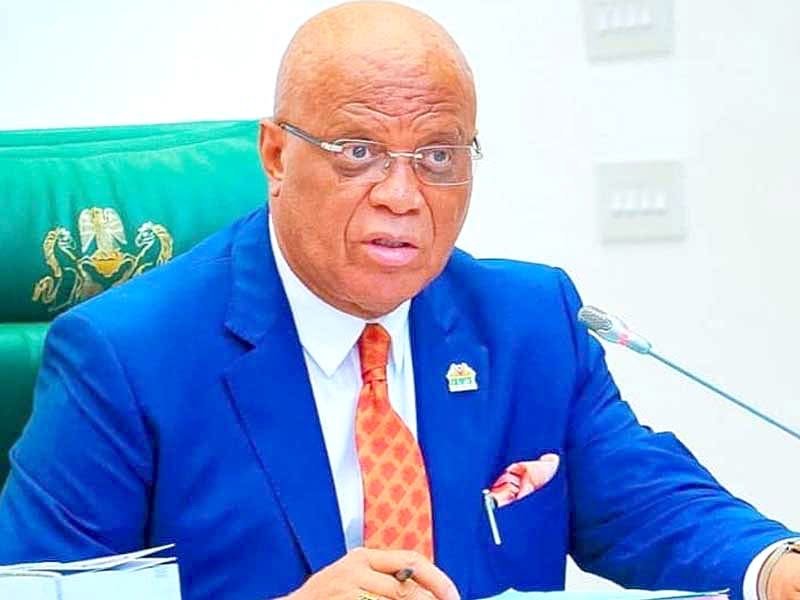
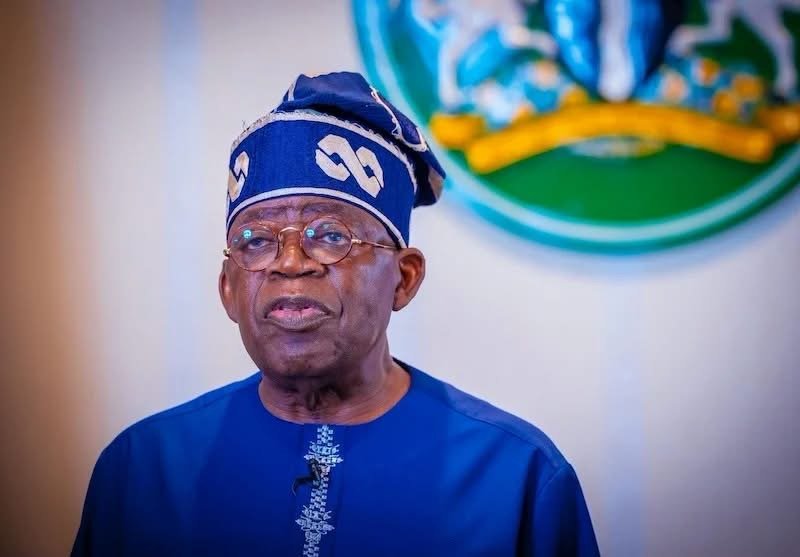
President Bola Ahmed Tinubu has directed the Secretary to the Government of the Federation (SGF), Senator George Akume, to ensure the timely release of approved funds to the North Central Development Commission (NCDC) and other regional development commissions established across Nigeria.
Tinubu gave the directive on Monday, September 14, 2026, as stakeholders gathered in Abuja for the inaugural North Central Stakeholders’ Development Summit, where the region unveiled plans for a 20-year economic, infrastructural and social development blueprint.
The President, who was represented at the summit by the SGF, said adequate and timely funding was essential for the commissions to deliver strategic projects capable of unlocking economic opportunities and addressing long-standing development gaps.
However, Tinubu cautioned the commissions against relying entirely on government funding, stressing that they must also attract private investment, development finance and other alternative sources of capital.
According to a report by THISDAY, the President warned that the commissions must not become channels for wasteful spending and urged their leadership to ensure that public resources translate into measurable development outcomes.
Tinubu Links Funding to Regional Development
The President’s directive comes as the Federal Government intensifies efforts to establish a coordinated framework for the newly created regional development commissions.
Tinubu said the commissions were established as part of his administration’s Renewed Hope Agenda to accelerate development and reduce persistent infrastructure and economic disparities across Nigeria.
He stressed that the commissions were not intended to replace state governments, local governments or existing federal institutions.
Rather, they are expected to complement existing structures by addressing development challenges that require regional coordination and large-scale investment.
The President identified transportation, industrialisation, security, investment, education, healthcare, human capital development and regional connectivity among the areas that should receive attention.
He also warned the boards and management teams of the commissions against corruption, political interference, marginalisation and ethnic considerations in the implementation of government programmes.
Tinubu said development efforts must ultimately be measured by their impact on citizens and communities rather than by the production of plans and official documents.
North Central Commission Unveils 20-Year Development Plan
The President’s directive was issued as the NCDC began its first major stakeholder summit in Abuja.
The two-day summit, themed “A Great Leap Forward: A 20-Year Economic, Infrastructural and Social Development Plan for North Central Region,” brings together governors and representatives from the region’s states, the Federal Capital Territory, traditional rulers, religious leaders, young people, women, academics, development partners and private-sector representatives.
The North Central Development Commission covers Benue, Kogi, Kwara, Nasarawa, Niger and Plateau states, as well as the Federal Capital Territory.
Its statutory responsibilities include interventions in transportation, agriculture, security, entrepreneurship, industrialisation, employment, healthcare, education, housing, water, electricity and telecommunications.
The commission’s Managing Director and Chief Executive Officer, Dr Cyril Tsenyil, said the objective was to transform the North Central region from a collection of states with largely fragmented development efforts into a more integrated regional economy.
He presented a draft 20-year development plan designed to guide infrastructure, investment and economic planning beyond individual electoral cycles.
Tsenyil argued that the scale of transformation required in the region could not realistically be achieved within a single administration, making long-term planning and continuity necessary.
NCDC Targets Infrastructure and Investment Corridors
The commission is considering several major projects that could strengthen economic links within the region and between northern and southern Nigeria.
Among the initiatives under discussion are a proposed regional railway network, the revival of the Ajaokuta Steel project, the dredging of the Rivers Benue and Niger, development around Baro Port and the Jos Dry Inland Port.
The NCDC has also opened discussions with the Federal Ministry of Solid Minerals Development on a possible special-purpose vehicle for the minerals sector.
The proposed approach would focus on value addition, responsible mining and the formalisation of artisanal mining activities.
The commission’s leadership says such projects should no longer be treated as isolated state-level interventions but as interconnected infrastructure capable of reducing the cost of doing business and opening new economic corridors.
This regional approach is significant for the North Central because of the area’s geographical position between Nigeria’s northern and southern markets.
The region also contains extensive agricultural land and mineral resources and hosts the nation’s political capital.
Better transport infrastructure linking farms, processing centres, industrial zones, markets and ports could potentially strengthen agricultural value chains and improve access to domestic and international markets.
Government Wants Private Capital Mobilised
While Tinubu ordered the release of approved public funds, he simultaneously made clear that government allocations alone would not be sufficient to finance the commissions’ ambitions.
The President urged the regional commissions to seek private-sector investment, public-private partnerships, donor funding and development financing.
That approach is consistent with the Federal Government’s broader push for greater private-sector participation in infrastructure development.
The NCDC has indicated that possible sources of financing for its projects include federal and state resources, development finance institutions, commercial capital, domestic and foreign private investment, concessions, grants and blended financing.
The commission also intends to establish a structured investment pipeline through “Deal Rooms,” where projects will be classified according to their level of readiness for investment.
Projects considered ready for immediate investment will be placed in a higher category, while initiatives requiring additional technical or financial structuring will be developed before being presented to investors.
Federal Government Developing National Regional Policy
The summit also comes as the Federal Government works towards a unified national policy for regional development.
The Minister of State for Regional Development, Uba Maigari Ahmadu, said the government was at an advanced stage of harmonising a National Regional Development Policy for 2026–2030.
According to him, the policy is being developed in collaboration with the National Economic Council, the six regional development commissions, a national policy drafting team and development partners.
The proposed framework is expected to provide a common structure for the commissions to plan projects, establish priorities and mobilise resources.
Ahmadu said the policy would create a coherent national architecture for regional development while allowing individual commissions to respond to the particular needs and opportunities within their respective regions.
The Federal Government has previously described the regional development commissions as instruments for addressing development disparities and unlocking opportunities across Nigeria’s geopolitical zones.
In July, Vice President Kashim Shettima said the creation of the commissions was intended to harness the distinct strengths of Nigeria’s regions and contribute to broader national prosperity.
Why the Funding Directive Matters
The release of funds could have a direct bearing on the ability of the regional commissions to move from institutional establishment to practical project delivery.
For the commissions, access to approved resources is necessary for staffing, project preparation, feasibility studies and the implementation of infrastructure and social-development interventions.
However, funding alone does not guarantee results.
Tinubu’s warning against waste and politicisation highlights one of the central challenges facing the new institutions: ensuring that increased public spending produces measurable benefits for citizens.
The commissions will therefore face pressure to demonstrate transparency, establish credible procurement systems, publish meaningful project information and show measurable progress.
Their effectiveness will also depend on cooperation with state governments, federal ministries, private investors and development institutions.
North Central Development Agenda Faces Major Challenges
The North Central region has substantial economic potential but also faces significant development and security challenges.
Agriculture remains central to the region’s economy, while mining and other natural resources offer opportunities for industrial development.
At the same time, inadequate infrastructure, insecurity, limited industrial processing capacity and weak connectivity have constrained the ability of many communities to fully benefit from these resources.
Tsenyil said the region must move away from state-by-state competition towards stronger economic collaboration.
The commission’s approach envisages integrated infrastructure, regional supply chains and investment corridors that connect resources, labour, markets and transportation systems across state boundaries.
Security is also critical to the success of the plan.
Tinubu acknowledged security challenges in the North Central and said the Federal Government had intensified surveillance and intelligence gathering, increased security deployments and strengthened efforts to prosecute criminals while supporting dialogue and reconciliation.
He tasked the NCDC with supporting broader efforts to stabilise the region, stressing that sustainable economic development would be difficult without peace and security.
What Happens Next
The immediate priority will be translating the summit’s proposals into a workable development programme.
The NCDC is expected to refine its 20-year development blueprint while continuing discussions with investors, government agencies and development partners.
The proposed National Regional Development Policy for 2026–2030 will also have to pass through the Federal Executive Council before implementation.
For the North Central region, the key test will be whether the new institutional framework produces visible improvements in infrastructure, investment, employment, healthcare, education, agriculture and security.
For the wider country, the performance of the regional commissions could determine whether Nigeria’s new approach to regional development becomes an effective mechanism for balanced growth or another layer of government administration.
President Tinubu’s funding directive therefore comes with an equally important demand for accountability: resources must reach the commissions, but those resources must ultimately translate into projects and services that improve people’s lives.
Weng Global – Stories beyond borders
Sources