Reported by Weng Patrick Atokor l Journalist at weng Global
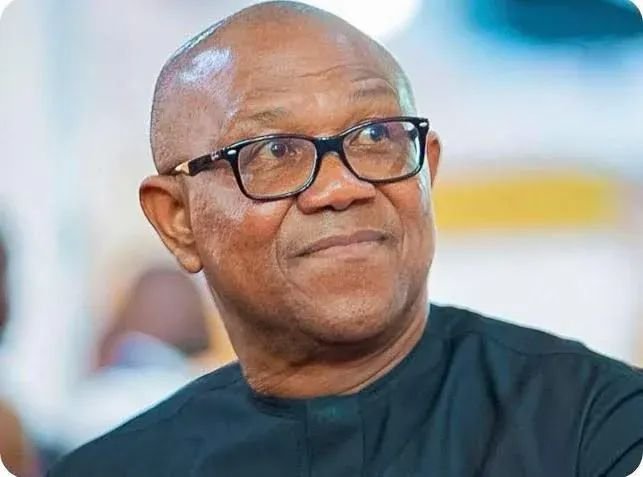
Former Anambra State governor and Nigeria Democratic Congress (NDC) presidential candidate Peter Obi has paid tribute to the victims of the September 11, 2001 terrorist attacks in the United States, calling for a world where peace and human solidarity prevail over hatred and division.
Obi made the reported remarks after attending a remembrance service in New York as the United States marked the 25th anniversary of the attacks that transformed the country and had far-reaching consequences for global security and international relations.
The September 11 attacks remain among the deadliest terrorist attacks in modern history. On September 11, 2001, 19 members of al-Qaeda hijacked four commercial passenger aircraft. Two were flown into the World Trade Center towers in New York, one struck the Pentagon in Virginia, while the fourth crashed in Pennsylvania after passengers and crew attempted to regain control.
Nearly 3,000 people were killed in the attacks, including civilians from numerous countries as well as firefighters, police officers and other emergency personnel who responded to the disaster.
Obi Reflects on Human Cost of Terrorism
Obi’s participation in the remembrance comes as families of victims, survivors, first responders and officials gathered across the United States to mark a quarter-century since the attacks.
The anniversary has once again focused attention on the human consequences of terrorism and the long-term impact experienced by people who survived the attacks or were involved in the rescue and recovery operations.
The 9/11 Memorial & Museum in New York has continued to preserve the names and stories of those killed in the attacks, while the annual remembrance ceremony provides families with an opportunity to honour their loved ones.
The 2026 commemoration also recognised people who died in subsequent years from illnesses associated with exposure to the conditions at Ground Zero.
The significance of the anniversary extends beyond the immediate deaths recorded on September 11, 2001. Many first responders and recovery workers developed serious health conditions after spending months working at or around the World Trade Center site.
A Reminder Against Hatred
Obi’s reported call for peace comes against the backdrop of continuing global conflicts, terrorism and political divisions.
The former governor has frequently spoken about the importance of unity, peaceful coexistence and responsible leadership in Nigeria. His participation in the New York remembrance has similarly placed emphasis on the broader lessons that can be drawn from the tragedy.
The September 11 attacks demonstrated how violence driven by extremist ideology can have consequences extending far beyond the location where an attack occurs.
The attacks influenced international counterterrorism policies, airport security, military operations, diplomacy and debates about civil liberties.
They also affected relations between communities and contributed to years of political and social debates surrounding terrorism, religion, immigration and national security.
For many families, however, the anniversary remains primarily about remembering individual lives rather than discussing geopolitical consequences.
Parents lost children. Children lost parents. Spouses lost partners. Communities lost friends and neighbours.
That personal dimension continues to shape the annual commemorations in New York.
25 Years After September 11
The 25th anniversary has particular significance because an increasing number of people alive today were either children or not yet born when the attacks occurred.
For younger generations, September 11 is increasingly a historical event rather than a personal memory.
That has placed greater importance on museums, memorials, schools and families preserving accurate accounts of what happened and explaining its consequences.
The 9/11 Memorial & Museum has continued to play a central role in that effort by documenting the attacks, the lives of victims and the experiences of survivors and first responders.
The memorial’s annual ceremony also ensures that the names of those killed remain at the centre of public remembrance.
Lessons for Nigeria and Africa
Although the attacks occurred in the United States, their lessons remain relevant to Nigeria and other African countries that have experienced terrorism and violent extremism.
Nigeria has spent years confronting insecurity linked to terrorist organisations, banditry, communal violence and other forms of armed conflict.
The country has also experienced the devastating effects of terrorism on communities, families, businesses and local economies.
Against that background, calls for peace and rejection of hatred carry significance beyond the September 11 anniversary itself.
Nigeria’s diversity requires sustained efforts to prevent ethnic, religious and political differences from becoming sources of violence.
The challenge is particularly important as Nigeria approaches the 2027 general elections, when political competition is expected to intensify.
Political disagreements, however serious, do not have to become personal or communal hostility. Democratic societies depend on the ability of citizens and political actors to disagree without resorting to violence.
The broader lesson from September 11 is that hatred and extremism can produce consequences that continue for generations.
Remembering Without Creating New Divisions
The commemoration also raises questions about how societies remember traumatic events.
Remembering victims is important, but remembrance should not become an excuse for blaming entire communities for the actions of extremists.
The September 11 attacks were carried out by specific terrorists and an extremist organisation. The actions of individuals cannot reasonably be used to define entire religious, ethnic or national communities.
This distinction remains important in a world where misinformation and inflammatory rhetoric can quickly spread through social media.
For African countries facing their own security challenges, the lesson is equally important: combating terrorism requires effective security measures, but it also requires addressing the social, economic and political conditions that can contribute to instability.
Why Obi’s Message Matters
Obi’s reported emphasis on peace over hatred comes at a time when political discourse in Nigeria remains highly competitive.
The former governor is currently seeking the Nigerian presidency under the NDC ahead of the 2027 election, making his public comments subject to political interpretation.
However, the message surrounding the September 11 remembrance is broader than electoral politics.
The central issue is the value placed on human life and the responsibility of societies to prevent hatred and violence from becoming normalised.
The remembrance service in New York therefore provided an opportunity not only to honour those who died but also to reflect on the consequences of intolerance and extremism.
For Nigeria, where security remains a major national concern, such reflections have particular relevance.
What Happens Next
The 25th anniversary ceremonies have concluded, but the work of preserving the history of September 11 continues through the memorial, museum, educational programmes and ongoing documentation of the experiences of victims, survivors and first responders.
The anniversary is also expected to remain an important point of reflection in discussions about terrorism, national security and international cooperation.
For families who lost loved ones, however, remembrance does not end with an anniversary.
The pain of September 11 continues to be carried by generations of families and survivors.
Twenty-five years later, the names of the victims remain central to the story.
Obi’s participation in the remembrance service has added a Nigerian political voice to the international reflection surrounding the anniversary.
The broader message remains clear: remembering victims should encourage societies to protect human life, reject extremism and pursue peaceful solutions to conflict.
The legacy of September 11 is therefore not only about what happened on one September morning in 2001. It is also about what the world chooses to learn from the tragedy.
For Weng Global, the enduring lesson is one that crosses borders: peace must remain stronger than hatred, and the memory of those lost should inspire a safer and more united world.
Weng Global – Stories beyond borders
Sources
- 9/11 Memorial & Museum — 25th anniversary commemoration information.
- Reuters — Coverage of the 25th anniversary of the September 11 attacks and remembrance ceremonies.
- New York City Mayor’s Office — 2026 Day of Remembrance and Service information.
- Associated Press — Coverage of the 25th anniversary commemorations.
- Current Nigerian media reports on Peter Obi and his public activities in September 2026.