Reported by Weng Patrick Atokor l Journalist at Weng Global
Nigeria has secured representation on the governing board of the World Association of Industrial and Technological Research Organisations (WAITRO) following the election of Professor Nnanyelugo M. Ike-Muonso as the organisation’s Sub-Saharan Africa regional representative.
Ike-Muonso, Director-General of Nigeria’s Raw Materials Research and Development Council (RMRDC), emerged victorious at the WAITRO Summit 2026, held in Istanbul, Türkiye, from October 26 to 28.
His election gives Nigeria an opportunity to participate more directly in international discussions on scientific research, technological innovation, industrial development and the commercial application of research findings across Sub-Saharan Africa.
The development is also significant for African research institutions seeking stronger international partnerships, improved technology transfer and greater involvement in shaping the continent’s industrial future.
Ike-Muonso Wins Regional Representative Position
Ike-Muonso contested the Sub-Saharan Africa position against two other candidates: Professor Wellington Riach Liamba Masamba, Vice-Chancellor of the Botswana University of Agriculture and Natural Resources, and Professor Mohammed Aliyu Paiko, Vice-Chancellor of Abdulkadir Kure University in Nigeria.
The election took place during the international summit, which brought together research organisations, universities, industry representatives, policymakers and innovation stakeholders.
According to reports by the RMRDC and Nigeria’s Voice of Nigeria, Ike-Muonso’s emergence strengthens Nigeria’s representation within the international research and technology community.
The RMRDC described the election as an important milestone for the council and the country, highlighting the opportunity to advance African research priorities and strengthen cooperation with international institutions.
The council also expressed confidence that his position would help promote the application of scientific research and technological innovations to industrial development.
WAITRO subsequently identified Nnanyelugo Martin Ike-Muonso of Nigeria as its Sub-Saharan Africa representative in the newly elected Executive Board.
What WAITRO Does and Why the Election Matters
The World Association of Industrial and Technological Research Organisations is an international network established in 1970 to strengthen cooperation among industrial and technological research institutions.
The organisation connects research centres, universities, industries and other innovation stakeholders to encourage knowledge exchange, international partnerships and the development of practical technological solutions.
Its activities focus on strengthening research capabilities, promoting innovation, facilitating technology transfer and helping institutions translate scientific discoveries into applications that address economic and industrial challenges.
According to information presented by WAITRO representatives during recent engagements with Nigerian institutions, the organisation has a network of more than 180 members across over 75 countries.
Its international reach provides opportunities for participating institutions to connect with research partners, exchange expertise and explore collaborative initiatives.
Ike-Muonso’s election therefore gives Nigeria a platform to contribute to conversations about the direction of industrial research and technological development in the Sub-Saharan African region.
However, representation on the board does not automatically guarantee funding, technology transfers or industrial investment. Those outcomes will depend on the partnerships, programmes and practical initiatives developed through the organisation.
Nigeria’s Push to Connect Research With Industrial Development
The election comes at a time when Nigeria is seeking to strengthen local manufacturing, increase the use of indigenous raw materials and reduce its dependence on imported industrial products.
One of the country’s longstanding economic challenges has been the difficulty of translating research conducted in universities and research institutions into commercially viable products.
Although Nigeria has research institutions, universities and a substantial supply of natural resources, the connection between scientific discoveries and industrial production remains an important development challenge.
The RMRDC plays a role in addressing this gap.
Established to promote the development and utilisation of Nigeria’s industrial raw materials, the council supports research into locally available resources, encourages domestic sourcing by industries and promotes value addition and the commercialisation of research findings.
These responsibilities are particularly important for a country seeking to expand its manufacturing sector and create more economic opportunities through domestic production.
Under Ike-Muonso’s leadership, the council has pursued initiatives aimed at strengthening collaboration between research institutions and the private sector.
Its engagement with WAITRO has also focused on creating opportunities for technology transfer, research commercialisation and stronger connections between Nigerian institutions and international innovation networks.
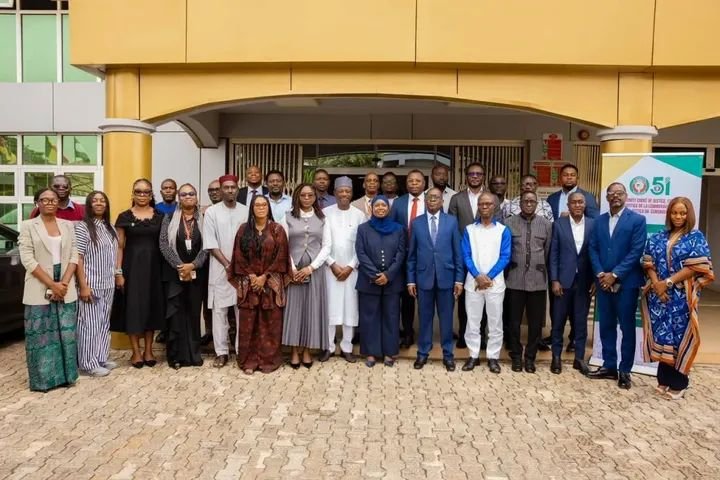
In October 2026, the RMRDC and WAITRO organised a strategic engagement in Abuja involving Nigerian tertiary institutions and representatives of the organised private sector.
The meeting explored ways to improve cooperation between educational institutions, research organisations and industries, with particular attention to turning research findings into commercially useful products and industrial solutions.
The discussions highlighted the importance of moving beyond academic research publications towards practical innovations that can support manufacturing, employment and economic development. Raw Materials 360 +2
Strengthening African Research and Technology Partnerships
For Sub-Saharan Africa, the appointment carries significance beyond Nigeria’s national representation.
Many African countries face similar challenges involving limited industrial capacity, dependence on imported technologies, inadequate research commercialisation and insufficient collaboration between universities and private businesses.
The continent also possesses substantial natural resources that could support industrial development if more investment were directed towards processing, innovation and technology-driven production.
Stronger participation in international research networks could help African institutions access technical expertise, develop collaborative research programmes and establish relationships with institutions in other regions.
WAITRO’s international structure offers a platform for such cooperation.
During its October engagement with Nigerian stakeholders, the organisation’s Africa Development Director, Dr Sechaba Bareetseng, highlighted opportunities for African institutions in collaborative research, capacity development, entrepreneurship, intellectual property management and technology commercialisation.
These areas are important because scientific research alone does not necessarily produce economic benefits.
For research to contribute meaningfully to development, institutions must have the capacity to transform discoveries into products, processes and technologies that industries can adopt.
This requires investment, appropriate infrastructure, skilled personnel, effective intellectual property arrangements and partnerships with businesses capable of bringing innovations to market.
Nigeria’s representation on the WAITRO Board could therefore create opportunities to encourage more regional cooperation around these priorities.
It could also help bring African development challenges into international discussions about research funding, technological advancement and industrial transformation.
Nevertheless, the practical value of the appointment will depend on how effectively Nigeria uses its representation to establish partnerships and support programmes that benefit research institutions across the region.
The Importance of Technology Transfer to Nigeria’s Economy
Technology transfer is one of the major areas where international research partnerships could benefit Nigeria.
It involves the sharing, adaptation and application of technological knowledge, processes and innovations between institutions, countries or industries.
For developing economies, access to appropriate technologies can improve production efficiency, strengthen manufacturing capacity and reduce the cost of developing industrial solutions from scratch.
Nigeria’s efforts to promote technology transfer are particularly relevant to sectors such as agriculture, pharmaceuticals, chemicals, construction materials, manufacturing and mineral processing.
For example, research into locally available agricultural and mineral resources could support the production of industrial inputs that are currently imported.
However, such opportunities require more than scientific discoveries. They also depend on financing, technical expertise, industrial infrastructure and private-sector participation.
The RMRDC’s engagement with WAITRO and other international innovation institutions is intended to strengthen some of these connections.
Ike-Muonso’s new position could provide an additional channel for promoting these objectives within the organisation’s international network.
For Nigerian researchers and universities, the opportunity is to build partnerships that move research beyond laboratories and academic publications into practical applications.
For businesses, stronger collaboration could create access to new technologies, technical knowledge and potential research partners.
For the wider economy, successful commercialisation could support local production, employment creation and greater value addition to Nigeria’s natural resources.
These are potential benefits rather than guaranteed outcomes of the election.
What Happens Next?
Following the election, attention will turn to Ike-Muonso’s participation in WAITRO’s governance structure and the opportunities available through his regional representative position.
His responsibilities will provide a platform for engaging with other board members, international research organisations and innovation stakeholders on issues affecting Sub-Saharan Africa.
Nigeria will also need to translate the diplomatic and institutional value of the appointment into practical cooperation involving universities, research centres, government agencies and private-sector organisations.
The RMRDC’s existing engagement with WAITRO provides a foundation for pursuing these opportunities.
Key areas to watch include stronger research partnerships, technology transfer initiatives, capacity-building programmes and the commercialisation of innovations developed by African institutions.
The extent to which these opportunities produce measurable benefits will ultimately determine the wider development significance of Nigeria’s new representation.
Why Nigeria’s WAITRO Board Seat Matters
Nigeria’s election to the WAITRO Board represents an opportunity to strengthen its participation in global scientific and technological cooperation.
For a country seeking to expand domestic manufacturing, develop its raw materials sector and build a more innovation-driven economy, international research partnerships could play an important supporting role.
The appointment also offers an opportunity to strengthen African participation in decisions and conversations concerning the continent’s technological and industrial future.
However, the achievement should be measured not only by Nigeria’s presence on an international board but also by the practical results that follow.
More research collaborations, stronger technology transfer arrangements, commercially viable innovations and improved connections between African universities and industries would give the appointment lasting economic significance.
Ultimately, the challenge will be to turn international representation into opportunities that strengthen research, support local industries and contribute to sustainable industrial development across Nigeria and Sub-Saharan Africa.
Weng Global – Stories beyond borders
Sources
- Raw Materials 360 – RMRDC DG, Ike-Muonso, Wins WAITRO Board Seat for Sub-Saharan Africa.
- WAITRO – Announcement of Newly Elected Executive Board.
- Voice of Nigeria – RMRDC Boss Wins WAITRO Board Seat for Sub-Saharan Africa.
- The Punch – Nigeria Secures Sub-Saharan Africa Seat on Global Research Board.
- Raw Materials 360 – RMRDC and WAITRO Seek Stronger Research and Industry Collaboration.