Reported by Simon Daniel Yusuph l Journalist at Weng Global
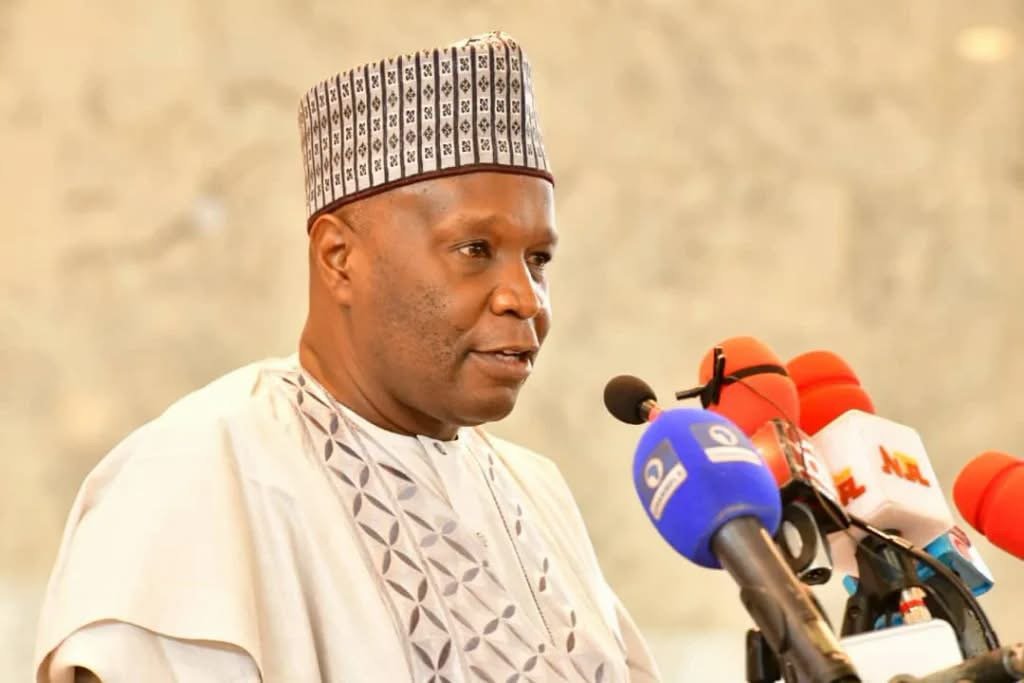
Gombe State Governor and Chairman of the Northern States Governors’ Forum, Muhammadu Inuwa Yahaya, has warned that the growing number of out-of-school children poses a serious threat to the future of Northern Nigeria, calling for stronger regional cooperation and innovative educational interventions to address the crisis.
The governor made the call in Gombe while receiving the national leadership of the Barewa Old Boys Association (BOBA), led by its National President, Major General Alwali Jauji Kazir (rtd), during a courtesy visit to the Government House.
The visit formed part of activities surrounding the association’s 2026 Biennial Lecture and Awards Ceremony, hosted by Gombe State.
Yahaya described the educational challenges confronting Northern Nigeria as a major concern requiring urgent and coordinated action from governments, educational institutions, traditional leaders, development partners and other stakeholders.
He advocated the establishment of special schools modelled after the historic Barewa College as part of efforts to expand access to quality education, strengthen academic standards and provide more opportunities for children across the region.
The governor also indicated his intention to present the proposal and other resolutions emerging from the association’s engagement to the Northern States Governors’ Forum for consideration and possible implementation.
Yahaya Proposes Special Schools Modelled After Barewa College
A major feature of the governor’s intervention was his proposal for the establishment of special educational institutions across Northern Nigeria, drawing inspiration from the history and academic tradition of Barewa College.
Yahaya suggested that the Barewa Old Boys Association could develop a framework for establishing similar institutions in the different states of the North.
The proposed schools would share the educational philosophy and institutional values associated with Barewa College while providing opportunities for talented and deserving students to receive quality education.
According to the governor, the association could help develop a model that individual northern states could adopt to strengthen their educational systems.
The proposal reflects an argument that addressing the out-of-school children crisis requires more than increasing school enrolment. It also requires investment in educational infrastructure, teaching standards, institutional capacity and learning environments capable of preparing young people for future responsibilities.
However, the proposal remains an initiative for further consideration, and no implementation timetable, funding arrangement or approved number of schools was announced in the available report.
The governor’s willingness to present the proposal to the Northern States Governors’ Forum suggests that he wants the discussion to move beyond an individual state initiative towards a broader regional conversation.
Out-of-School Children Remain a Major Challenge in Northern Nigeria
Northern Nigeria continues to face significant educational challenges, including poverty, inadequate school infrastructure, insecurity, displacement, child labour and limited access to formal education.
These factors have contributed to the difficulties experienced by millions of children who are either not enrolled in school or unable to complete their education.
The consequences extend beyond the immediate loss of educational opportunities.
Children who remain outside the formal education system face increased risks of exploitation, limited employment opportunities and reduced participation in the economic and social development of their communities.
The situation also places additional pressure on governments seeking to improve literacy, reduce poverty and create a skilled workforce capable of supporting economic growth.
For Northern Nigeria, where a substantial proportion of the population is young, the challenge carries important implications for the region’s long-term development.
The absence of accessible and effective educational opportunities can reinforce cycles of poverty and inequality, particularly in rural communities and areas affected by insecurity.
Yahaya’s warning therefore highlights the relationship between education, human capital development and the future stability of the region.
Governor Links Education to Security and Regional Development
The governor described the theme of the 2026 Barewa Old Boys Association Biennial Lecture, which focuses on out-of-school children and national security, as timely given the educational difficulties confronting the North.
The connection between education and security has become an increasingly important issue in discussions about Nigeria’s development challenges.
Limited access to education can deepen social and economic vulnerabilities, particularly among children growing up in communities affected by poverty, displacement and insecurity.
While a lack of schooling does not automatically lead to criminality or extremism, prolonged exclusion from education and economic opportunities can increase vulnerability to exploitation and recruitment by criminal networks.
Education also provides young people with opportunities to acquire knowledge, professional skills and the confidence needed to participate productively in society.
For this reason, efforts to reduce the number of out-of-school children are increasingly viewed as part of a wider development and security strategy.
The governor’s position suggests that Northern states need to treat education as a regional priority rather than an issue that can be addressed independently by individual administrations.
A coordinated approach could help states exchange successful programmes, strengthen educational institutions and mobilise resources towards communities with the greatest needs.
Barewa Old Boys Association Offers Institutional Experience
The visit by the Barewa Old Boys Association provided an opportunity to explore how alumni networks and established educational institutions could contribute to addressing the region’s educational challenges.
The association was led by its National President, Major General Alwali Jauji Kazir (rtd), who commended the Gombe State Government for its efforts in education, healthcare, infrastructure and human capital development.
Kazir described Gombe as an important destination for the association’s 2026 Biennial Lecture and Awards Ceremony.
He also expressed appreciation to the state government for hosting the event, noting the relevance of the educational challenges under discussion.
The involvement of an established alumni association could provide valuable institutional experience, particularly in developing educational frameworks, strengthening academic standards and mobilising professional networks.
However, the success of any proposed expansion of the Barewa model would depend on clear planning, sustainable funding, qualified teachers, effective administration and transparent admission arrangements.
It would also be important to ensure that the proposed institutions complement existing public education programmes rather than diverting attention and resources away from children who remain outside the school system.
Northern Governors Face Pressure to Improve Education Access
Yahaya’s proposal comes amid broader efforts by northern governments to address educational inequalities and improve human capital development.
The Northern States Governors’ Forum provides a platform for the region’s 19 governors to coordinate policies on issues affecting their respective states.
Education is among the major areas requiring regional cooperation, particularly because challenges such as poverty, insecurity, population growth and inadequate infrastructure often extend beyond individual state boundaries.
In January 2026, Yahaya called for decisive action to address unequal access to quality basic education in Northern Nigeria, warning that the region’s future depended on urgent improvements.
Similarly, the North-East Governors’ Forum has discussed regional interventions targeting out-of-school children and Almajiri education.
At its 2025 meeting in Damaturu, Yobe State, the North-East Governors’ Forum resolved to strengthen collaboration with the National Commission for Almajiri and Out-of-School Children’s Education.
The proposed collaboration included support for enrolling children into formal education and expanding access to vocational and technical training.
These initiatives demonstrate growing recognition among regional leaders that educational exclusion requires coordinated interventions involving governments and specialised institutions.
However, the major challenge remains translating policy commitments into measurable improvements in school enrolment, attendance, learning outcomes and completion rates.
Gombe’s Existing Education Interventions
The latest proposal also comes against the background of Gombe State’s efforts to strengthen its education sector.
The state government has previously announced initiatives aimed at increasing school enrolment and improving access to basic education.
In September 2026, the state government reiterated its commitment to reducing the number of out-of-school children through strategies designed to improve enrolment in public schools.
The government has also pursued interventions targeting Almajiri education and community participation in formal schooling.
In October 2026, the Gombe State Executive Council approved ₦6.1 billion as counterpart funding for the Human Capital Opportunities for Prosperity and Equity-Education programme.
According to reporting by Punch, the approval was intended to qualify the state for participation in the World Bank-supported HOPE-EDU programme, which seeks to strengthen foundational education delivery.
These interventions illustrate the importance of combining new educational proposals with existing government programmes.
The proposed special schools could contribute to improving educational opportunities, but their wider impact would depend on how they fit into the state’s overall education strategy.
Why the Out-of-School Children Crisis Matters
The growing number of children outside formal education represents one of Northern Nigeria’s most significant human development challenges.
Education influences access to employment, healthcare information, economic opportunities and civic participation.
When children are denied these opportunities, the consequences can extend across generations.
Parents with limited financial resources may struggle to support school attendance, while insecurity and displacement can interrupt the education of children who previously had access to schools.
Girls in some communities also face additional barriers, including early marriage, poverty and cultural expectations that limit their educational opportunities.
Addressing these challenges requires interventions that respond to the different circumstances preventing children from attending school.
For some communities, the priority may be constructing additional classrooms and providing learning materials.
In other areas, the more pressing requirements may include financial assistance for vulnerable families, improved school security, teacher recruitment, flexible learning arrangements and stronger community engagement.
The proposed Barewa-inspired institutions could offer another pathway for strengthening educational standards, but they cannot independently resolve the wider problem of millions of children remaining outside formal education.
A comprehensive strategy must therefore combine specialised educational institutions with accessible basic education for children across rural and urban communities.
What Happens Next?
Governor Yahaya has indicated that he intends to present the proposal for Barewa-inspired schools, alongside other resolutions from the association’s engagement, to the Northern States Governors’ Forum.
The proposal will require further discussions before any decision on adoption, financing or implementation can be established.
The Barewa Old Boys Association may also have a role in developing the educational framework and identifying ways to support participating states.
For Northern Nigeria, the more immediate priority remains ensuring that children who are currently excluded from education can access safe, affordable and effective learning opportunities.
The success of the proposed regional strategy will ultimately depend on the willingness of governments to commit resources, strengthen institutions and establish measurable targets.
Yahaya’s warning has placed the out-of-school children crisis firmly within the wider discussion about Northern Nigeria’s future.
Whether the proposed interventions translate into lasting change will depend on how quickly regional leaders move from declarations and policy proposals to practical action.
For millions of children whose educational opportunities remain uncertain, the outcome of these discussions could have consequences extending far beyond the classroom.
Weng Global – stories beyond borders
Sources
- Gombe State Government — Remarks by Governor Muhammadu Inuwa Yahaya during the visit of the Barewa Old Boys Association.
- Barewa Old Boys Association — 2026 Biennial Lecture and Awards engagement.
- Northern Nigerian Governors’ Forum — Regional education and human capital development priorities.
- Punch Newspapers — Report on Gombe State’s ₦6.1 billion HOPE-EDU counterpart funding approval.
- Blueprint Newspapers — Report on Governor Yahaya’s January 2026 call for improved access to basic education.
- National Commission for Almajiri and Out-of-School Children’s Education — Regional collaboration with North-East governors.