Reported by Simon Daniel Yusuph l Journalist at Weng Global
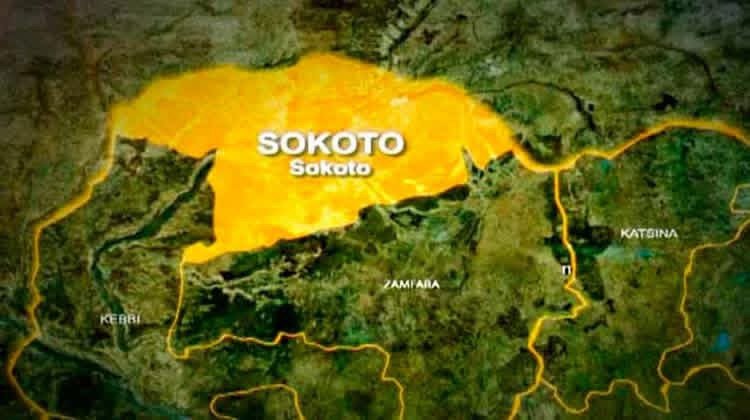
The Sokoto State Government has deployed emergency medical personnel, essential drugs and other medical supplies to Bodinga Local Government Area following reports of deaths and illnesses linked to a suspected fever outbreak, raising concerns about public health and the need for urgent medical intervention in affected communities.
The intervention is aimed at providing immediate medical assistance to affected residents, strengthening healthcare delivery and preventing further loss of lives as authorities work to establish the nature and extent of the reported outbreak.
The development comes amid growing concerns over reports of residents falling ill, with some reportedly dying after experiencing symptoms associated with the suspected fever.
Although the precise cause of the illnesses has not yet been publicly established, the government’s decision to mobilise emergency health resources highlights the importance of early medical intervention, disease surveillance and coordinated public health responses when unusual clusters of illnesses are reported.
Sokoto Government Mobilises Emergency Medical Response
According to a report published by Gaskiya Cast on November 7, 2026, the Sokoto State Government has dispatched medical personnel, drugs and essential healthcare supplies to communities affected by the suspected outbreak in Bodinga Local Government Area.
The Commissioner for Health, Dr Faruk Umar Abubakar Wurno, reportedly disclosed the intervention during a telephone interview with the publication.
He explained that the state government had activated emergency response measures to address the situation and ensure that residents requiring medical attention could access appropriate healthcare services.
The deployment is expected to strengthen the capacity of healthcare facilities in the affected area, particularly in the identification, assessment and treatment of suspected cases.
The commissioner also acknowledged reports of fatalities, explaining that many of the deaths reportedly occurred among individuals who received treatment within their communities before accessing formal medical facilities.
This aspect of the situation raises concerns about delayed hospital visits, limited access to professional medical care and the potential consequences of relying on unverified treatment methods when experiencing serious illnesses.
The government has consequently urged residents to report suspected cases promptly and seek medical attention at the nearest health facility rather than waiting for symptoms to worsen.
However, the precise number of people affected, the number of fatalities and the medical cause of the reported illnesses have not been independently established.
Bodinga Local Government Supports State Government Intervention
The Chairman of Bodinga Local Government Area, Alhaji Shehu Muhammad Dingyadi, also reportedly confirmed that the council was collaborating with the Sokoto State Ministry of Health and relevant government agencies to support efforts to contain the situation.
According to the report, the local government is complementing the state government’s intervention through cooperation with relevant health authorities and other stakeholders.
Dingyadi expressed optimism about the ongoing response, indicating that measures were being taken to address the situation and prevent further difficulties for residents.
The involvement of the local government is particularly important because community-level authorities are often better positioned to identify emerging health concerns, communicate with residents and coordinate immediate assistance.
Effective cooperation between state health authorities, local government officials, healthcare workers and community leaders can improve the speed at which suspected cases are identified and referred for treatment.
It can also help ensure that medical supplies reach the communities where they are most urgently needed.
Nevertheless, the effectiveness of the intervention will depend on sustained monitoring, adequate medical resources, accurate diagnosis and the ability of health authorities to identify the underlying cause of the reported illnesses.
Community Leaders Call for Urgent Assistance
The reported outbreak has also attracted concern from community stakeholders, with calls for additional medical assistance and coordinated intervention to protect residents.
Comrade Nasir Sifawa reportedly appealed to community leaders, government authorities and other stakeholders to support affected communities.
He described the development as a serious humanitarian concern requiring collective attention and urged relevant parties to contribute to efforts aimed at protecting residents and providing necessary medical assistance.
Such appeals reflect the importance of community participation during public health emergencies.
Beyond government intervention, community leaders can help communicate important health information, encourage residents to seek professional medical attention and discourage practices that could delay treatment.
Community involvement is particularly relevant in areas where residents may initially depend on traditional remedies, informal healthcare providers or self-medication before visiting established medical facilities.
However, public awareness campaigns must be supported by accessible healthcare services. Encouraging residents to visit hospitals will have limited impact if facilities lack sufficient personnel, essential medicines, diagnostic equipment or the capacity to manage serious cases.
Why Identifying the Cause of the Fever Is Important
One of the most important issues surrounding the reported situation in Bodinga is the need to establish the precise cause of the illnesses.
Fever is a common symptom associated with several infectious and non-infectious medical conditions. Its presence alone does not establish the identity of a particular disease.
In Nigeria, illnesses such as malaria, dengue fever, meningitis and other infections can present with fever, although their symptoms, transmission patterns, complications and treatment requirements differ.
Consequently, identifying the disease responsible for the reported cases is essential to determining the appropriate medical response.
For example, malaria requires specific diagnostic procedures and treatment, while meningitis can become a medical emergency requiring urgent assessment and specialised care.
Other infectious diseases may require different public health interventions, including isolation measures, contact identification, laboratory investigations and targeted community awareness campaigns.
It would therefore be premature to associate the Bodinga situation with any particular disease without confirmation from qualified medical professionals and appropriate laboratory investigations.
The Sokoto State Government and relevant health authorities will need to establish whether the illnesses share a common cause, determine the geographical extent of the reported cases and assess whether additional preventive measures are necessary.
Laboratory testing is particularly important because treating patients based solely on the presence of fever could lead to incorrect diagnoses and delays in receiving appropriate treatment.
Importance of Disease Surveillance in Sokoto State
The situation also draws attention to the importance of disease surveillance across Sokoto State and other parts of northern Nigeria.
Disease surveillance involves the continuous collection, assessment and interpretation of health information to identify unusual patterns of illnesses and support timely public health interventions.
When several residents in the same community develop similar symptoms within a relatively short period, health authorities must investigate whether the cases are connected and whether an outbreak is occurring.
Early identification can help prevent illnesses from spreading further and allow medical teams to provide treatment before patients develop serious complications.
Sokoto State has previously faced public health challenges involving infectious diseases.
In April 2026, Premium Times reported a suspected outbreak of cerebrospinal meningitis in Kurawa village, Sabon Birni Local Government Area, where several residents reportedly died.
The report quoted the Sokoto State Commissioner for Health as saying that health officials had been deployed to investigate the situation and provide medical assistance.
The earlier incident demonstrates why sustained disease surveillance and prompt access to healthcare remain important across communities in the state.
However, there is no established evidence linking the earlier meningitis incident in Sabon Birni to the current suspected fever outbreak in Bodinga.
The two developments should therefore be treated as separate public health situations unless health authorities establish a connection.
Residents Advised Against Self-Medication
One of the immediate priorities during the reported outbreak is ensuring that residents understand the importance of seeking professional medical attention.
The Commissioner for Health reportedly appealed to residents to report individuals experiencing symptoms of the suspected fever to the nearest healthcare facility.
He also urged the public to avoid self-medication and unnecessary delays in seeking treatment.
Self-medication can create additional health risks, particularly when patients use inappropriate drugs, incorrect dosages or treatments that do not address the actual cause of their illness.
It can also complicate diagnosis when patients take medication before being examined by qualified health professionals.
Residents experiencing persistent or severe fever should seek medical assessment rather than assuming that the condition is ordinary malaria or another familiar illness.
Healthcare workers, meanwhile, have an important responsibility to assess patients carefully, follow appropriate infection prevention procedures and report suspected unusual patterns of illness through established public health channels.
Families and community leaders should also discourage the concealment of suspected cases because delayed reporting can make it more difficult for health authorities to understand and respond to emerging health threats.
Wider Implications for Public Healthcare Delivery
The reported situation in Bodinga highlights broader questions about healthcare accessibility and emergency preparedness in rural and semi-urban communities.
Public health emergencies often expose weaknesses in healthcare systems, particularly where medical facilities face shortages of trained personnel, essential medicines, laboratory equipment and emergency transportation.
For residents of communities located far from major hospitals, the time required to reach appropriate medical facilities can influence the outcome of serious illnesses.
The deployment of emergency medical personnel and supplies is therefore an important immediate intervention.
However, emergency responses must also address the underlying challenges that affect healthcare delivery.
Strengthening primary healthcare centres, improving diagnostic capacity and ensuring that essential medicines remain available can help communities respond more effectively to infectious diseases and other medical emergencies.
There is also a need for sustained investment in public health education.
Residents should understand when to seek medical assistance, where to obtain reliable healthcare information and why suspected outbreaks should be reported promptly.
For Sokoto State, the Bodinga situation presents an opportunity to reinforce cooperation between government institutions, healthcare professionals and local communities.
A coordinated response can help improve early detection, reduce preventable complications and strengthen public confidence in the healthcare system.
What Happens Next?
The immediate priority is to determine the cause and extent of the reported illnesses while ensuring that affected residents receive appropriate medical attention.
Health authorities are expected to continue monitoring the situation, although the available report does not establish a confirmed timeline for laboratory findings or the conclusion of investigations.
Further information will be necessary to establish the number of suspected cases, the number of fatalities, the communities affected and whether additional medical teams will be deployed.
The Sokoto State Ministry of Health will also need to provide clear public updates as investigations progress.
Such updates would help residents understand the situation, avoid unnecessary panic and follow appropriate health precautions.
The Nigeria Centre for Disease Control and Prevention (NCDC) has an important national role in disease surveillance, outbreak preparedness and coordination of responses to public health threats.
Where necessary, cooperation between state health authorities and national public health institutions can strengthen laboratory investigations, epidemiological assessments and emergency interventions.
For now, residents of Bodinga and neighbouring communities are being encouraged to remain vigilant, avoid self-medication and seek immediate professional medical attention when experiencing concerning symptoms.
The government’s emergency deployment represents an important initial response, but establishing the precise cause of the illnesses and communicating verified findings will be essential to containing the situation.
For affected families, the priority remains access to timely treatment and reliable medical information.
For the wider state, the incident reinforces the importance of investing in disease surveillance, accessible healthcare and emergency preparedness before public health concerns escalate into larger crises.
Weng Global will continue to monitor developments surrounding the reported outbreak as further verified information becomes available.
Weng Global – stories beyond borders
Sources
- Gaskiya Cast – Report on the deployment of emergency medical personnel and supplies to Bodinga, November 7, 2026.
- Premium Times – Report on the suspected cerebrospinal meningitis outbreak in Kurawa, Sokoto State, April 28, 2026.
- Sokoto State Ministry of Health – Public Health Department information.