Reported by Simon Daniel Yusuph l Journalist at Weng Global
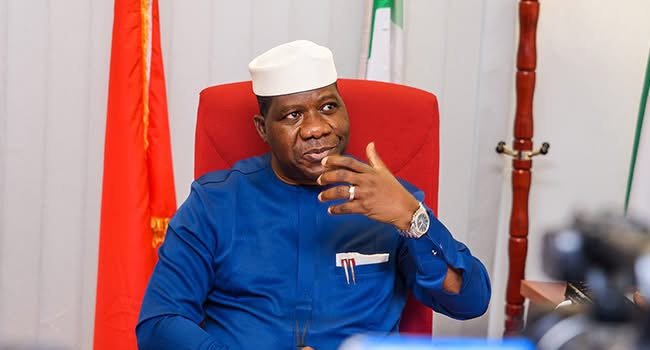
Senate Leader Opeyemi Bamidele has urged Nigerian politicians and political parties to avoid inflammatory rhetoric and actions that could threaten the country’s peace as preparations intensify for the 2027 general elections.
Bamidele, who also chairs the South-West Caucus in the National Assembly, made the call in an Independence Day statement issued in Abuja on Thursday, October 1, 2026, as Nigeria marked its 66th anniversary of independence.
The senator said political actors have the right to pursue their ambitions and participate in the electoral process, but stressed that such activities must remain within the limits of the law and should not undermine national unity or democratic stability.
His warning comes as political parties and prospective candidates increasingly position themselves for the 2027 elections, a period expected to generate heightened competition across the country.
Bamidele Warns Against Inflammatory Political Rhetoric
Bamidele said political competition should be conducted according to Nigeria’s constitutional and electoral framework rather than through language or actions capable of provoking unrest.
He specifically cautioned politicians against hate speech, inflammatory comments and conduct that could contribute to political, ethnic or religious violence.
According to the Senate Leader, political rights must be exercised responsibly, particularly at a time when the country is approaching another major electoral contest.
He said every political ambition should be pursued with restraint and respect for the broader interests of the country.
Bamidele’s remarks were made in the context of Nigeria’s 66th Independence anniversary and the approaching 2027 elections. He emphasised that political competition should not become a threat to the stability of the country.
“No Ambition Is Worth Setting the Nation Ablaze”
In his Independence Day message, Bamidele stressed that political ambitions should not be allowed to override Nigeria’s collective interests.
He said every political party and candidate has a responsibility to protect the country while seeking electoral support.
Bamidele also urged political actors to ensure that their campaign activities comply with the Electoral Act 2026 and the 1999 Constitution, as amended.
The Senate Leader’s position places emphasis on the distinction between legitimate political competition and conduct that could threaten public order.
His warning is particularly relevant as political parties prepare to intensify campaigns, mobilise supporters and present their programmes to voters ahead of the 2027 polls.
Nigeria’s 66th Independence Anniversary
Nigeria became independent from British colonial rule on October 1, 1960, and the country is marking 66 years of independence in 2026.
Independence anniversaries traditionally provide an opportunity for political leaders and citizens to reflect on the country’s development, challenges and future.
This year’s anniversary is taking place against the backdrop of preparations for the 2027 general elections, making political stability and the conduct of political actors significant issues in the national conversation.
Bamidele said Nigeria’s history and shared national heritage should encourage political leaders to place the country’s continued unity above individual or partisan interests.
He also called on parties and candidates to ensure that their political programmes reflect the aspirations of Nigerians rather than contribute to divisions.
Political Competition and the 2027 Elections
The 2027 general elections are already shaping political activities across Nigeria, with parties and political figures increasingly positioning themselves ahead of the contest.
The political environment has also featured public concerns about inflammatory rhetoric, intimidation and the activities of political thugs in some parts of the country.
Punch reported that Bamidele’s warning came amid such concerns, with the Senate Leader urging politicians to prioritise democratic stability and national unity.
Separately, the Independent National Electoral Commission has warned politicians and political parties against abusive, inflammatory and threatening campaign language ahead of the 2027 elections. The commission has said campaign rhetoric can cross into electoral intimidation when it involves threats, coercion, hate speech or calls capable of provoking violence.
These concerns have also featured in wider reporting about the political atmosphere ahead of 2027, including reports of threats and hostile rhetoric involving political actors and supporters.
The issue therefore extends beyond individual political statements. The language used during election campaigns can influence political participation, public confidence and the wider atmosphere surrounding an election.
Electoral Laws Set Limits on Campaign Conduct
Nigeria’s electoral framework provides rules governing political campaigns and the conduct of political actors.
Bamidele specifically referred to the Electoral Act 2026 and the Constitution as the framework within which politicians should exercise their political rights.
The call is significant because political parties and candidates are expected to compete for votes while also respecting the legal rights of citizens and opponents.
INEC has similarly warned that campaign statements involving threats, abusive language or incitement can have consequences under the country’s electoral laws.
The commission has also urged the media to expose political statements that could intimidate voters, opponents or electoral officials, according to reporting by The Guardian.
For voters, the distinction is important. Political disagreement and criticism are normal elements of democratic competition, while threats, intimidation and incitement can undermine citizens’ ability to participate freely.
Why the Warning Matters
Bamidele’s intervention comes at a time when Nigerian political parties are preparing for a national election that will determine political leadership at several levels.
The conduct of political campaigns can affect more than the candidates competing for office. It can influence the safety of voters, political supporters, journalists, electoral officials and other participants in the democratic process.
A political environment marked by aggressive or threatening rhetoric can also deepen existing social and political tensions.
Recent reporting has documented concerns about inflammatory political language ahead of 2027. TheCable, for instance, reported in September that political rhetoric had become a growing concern in several parts of the country, while other reports have highlighted threats and allegations involving political actors.
Such reports do not establish that violence will occur, but they demonstrate why political leaders, parties, electoral institutions and security agencies continue to face pressure to maintain a peaceful electoral environment.
National Interest Above Partisan Ambitions
Bamidele argued that Nigeria’s shared heritage should remain more important than the ambitions of individual politicians or political parties.
His message places responsibility on political actors to distinguish between seeking electoral victory and protecting the institutions and social relationships on which democratic competition depends.
For political parties, this means conducting campaigns within the law and allowing competing candidates and citizens to participate without intimidation.
For voters, it means having the freedom to consider competing candidates and political programmes without threats or coercion.
For electoral institutions, it means maintaining the rules governing the contest and applying them consistently.
The Senate Leader’s remarks therefore form part of a broader discussion about how Nigeria can approach the 2027 elections while preserving democratic stability.
Political Rights Come With Responsibilities
Bamidele acknowledged that political actors have legitimate rights to participate in Nigeria’s democratic process.
However, he argued that those rights should be exercised responsibly and within the boundaries established by law.
The principle is particularly important during election periods because political competition can involve strong disagreements over leadership, policies, parties and national priorities.
A democratic system provides space for those disagreements, but the process depends on political participants respecting the rights of others to hold different views and support different candidates.
Bamidele’s Independence Day message consequently called for political activities that preserve rather than undermine the country’s unity.
What Happens Next
Political parties and candidates are expected to continue their preparations for the 2027 general elections as the electoral cycle progresses.
Campaign activities, political mobilisation and the presentation of policy programmes are likely to remain central to the political landscape in the months ahead.
The conduct of political actors will also remain subject to Nigeria’s electoral laws and the oversight responsibilities of relevant institutions.
INEC has already signalled that it will pay attention to inflammatory campaign rhetoric and conduct that could amount to electoral intimidation.
For Bamidele, the immediate message is that political ambitions should be pursued without placing Nigeria’s peace and unity at risk.
As the country marks 66 years of independence, his warning adds to the growing calls for political parties and candidates to approach the 2027 contest through lawful, peaceful and responsible democratic competition.
Weng Global – stories beyond borders
Sources
- The PUNCH
- The Guardian Nigeria
- TheCable
- Vanguard
- National Assembly of Nigeria