Reported by Simon yusuph,| Journalist at wengglobal
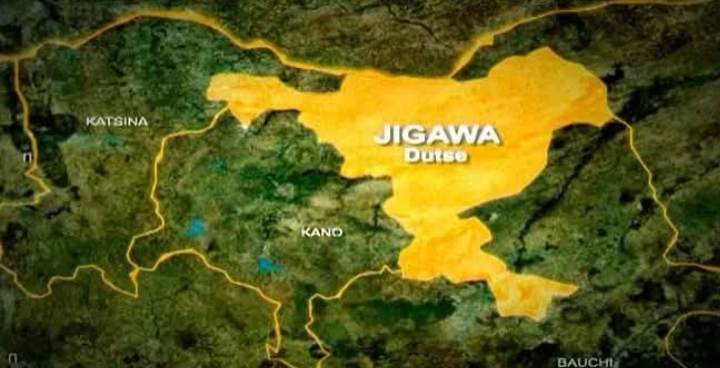
A tragic drowning incident involving a 15-year-old boy in Jigawa State has renewed concerns over the dangers posed by open ponds, rivers, and other natural water bodies during Nigeria’s rainy season, with safety advocates urging communities and government authorities to strengthen preventive measures to protect children.
The incident, which occurred in Jigawa State, has once again highlighted the recurring risks associated with unsupervised access to ponds and flood-prone areas, particularly as seasonal rainfall increases water levels across many parts of northern Nigeria. While local authorities continue to investigate the circumstances surrounding the tragedy, the loss has sparked renewed calls for improved public awareness, better safety infrastructure, and stronger community vigilance.
According to reports, the teenager entered a pond before drowning. Despite efforts to rescue him, he was later recovered from the water. Authorities have since confirmed the incident, while residents expressed shock and sadness over the unfortunate loss of a young life.
The rainy season in Nigeria frequently brings a sharp rise in water-related accidents. Rivers overflow, abandoned excavation sites become water-filled ponds, and floodwaters create hidden dangers, especially for children and teenagers who often swim or play near these locations without adequate supervision.
Safety experts say many of these incidents are preventable through improved public education, closer parental supervision, and the fencing or proper management of hazardous water bodies located near residential communities.
Across Jigawa and several neighbouring states, drowning incidents have become a recurring concern during the wet season. Emergency responders and disaster management agencies have repeatedly advised residents to avoid swimming in unfamiliar or unprotected water bodies, warning that changing water depths, strong undercurrents, and submerged obstacles significantly increase the risk of fatal accidents.
Community leaders have also stressed the importance of educating young people about water safety. Many rural communities rely on ponds and rivers for domestic activities, farming, fishing, and livestock, making children particularly vulnerable to accidental drownings.
The latest tragedy comes amid ongoing efforts by emergency management agencies to raise awareness about flood and water safety following seasonal rainfall forecasts. Authorities have consistently urged residents living near rivers, ponds, and drainage channels to exercise caution, especially after heavy rainfall when water levels can rise unexpectedly.
Public health specialists note that drowning remains one of the leading causes of accidental death among children and adolescents globally. The World Health Organization (WHO) has consistently identified drowning as a significant public health issue, particularly in low- and middle-income countries where access to swimming education, rescue equipment, and water safety infrastructure remains limited.
Experts recommend a combination of preventive measures, including:
- Constant adult supervision whenever children are near water.
- Community awareness campaigns during the rainy season.
- Installation of warning signs around dangerous ponds and rivers.
- Fencing abandoned excavation sites and open water reservoirs.
- Introduction of basic swimming and water safety education in schools where feasible.
In Nigeria, several state emergency management agencies have intensified public sensitisation campaigns during the rainy season, warning residents against unnecessary exposure to floodwaters and unsafe water bodies. Officials say many drowning incidents occur because children underestimate the depth or strength of the water, while others attempt to swim in locations lacking lifeguards or rescue facilities.
The Jigawa tragedy has also reignited conversations about the need for local governments to identify high-risk water bodies within communities and implement practical safety interventions. Residents in some rural areas have appealed for warning signs, protective barriers, and regular public enlightenment campaigns to reduce future casualties.
Security and emergency officials continue to advise residents to report emergencies immediately and avoid rescue attempts that could endanger additional lives. Instead, trained emergency responders should be contacted whenever possible.
Beyond the immediate grief experienced by the victim’s family, the incident serves as another reminder of the broader challenge posed by seasonal flooding and unmanaged water bodies across Nigeria. Climate variability, expanding urban settlements, and inadequate drainage systems have combined to increase exposure to water-related hazards in many communities.
As Nigeria experiences increasingly intense rainfall patterns, disaster management experts argue that prevention must become a shared responsibility involving government agencies, schools, parents, religious institutions, and community organisations. Public education campaigns, combined with improved infrastructure and emergency preparedness, could significantly reduce the number of avoidable drowning incidents recorded each year.
For many residents of Jigawa State, the death of the teenager represents not only a heartbreaking family tragedy but also a call for collective action to improve community safety. Authorities are expected to continue public awareness efforts while encouraging residents to remain vigilant throughout the remainder of the rainy season.
As investigations into the incident continue, safety advocates hope the tragedy will encourage stronger compliance with water safety guidelines and inspire lasting preventive measures that protect vulnerable children from similar accidents in the future.
Sources
- Nigeria Police Force (official confirmation where applicable)
- World Health Organization – Drowning prevention data and public health guidance.
- Reuters
- BBC News
- Punch Newspapers
- Daily Trust
- Premium Times