Reported by Weng Patrick Atokor | journalist at Weng Global
Cross River State Governor Bassey Otu has assured residents affected by recent flooding in Calabar that his administration will provide immediate relief while implementing stronger measures to reduce the impact of future flood disasters across the state.
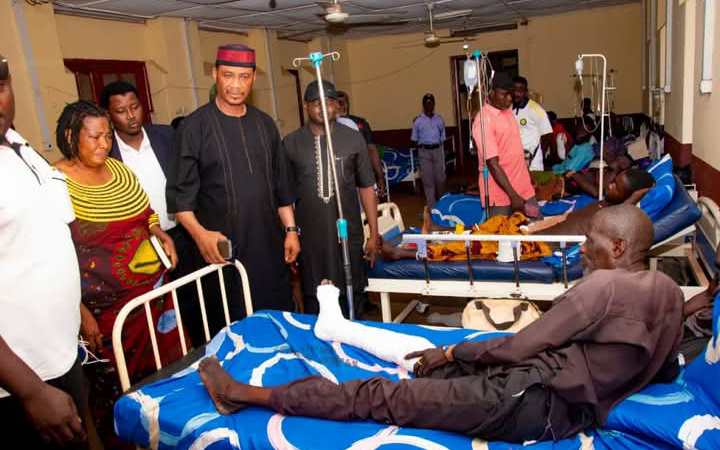
The governor made the pledge during an assessment visit to communities affected by heavy rainfall that submerged homes, displaced families, and damaged property in parts of Calabar. Speaking with victims and community leaders, Otu expressed sympathy over their losses and reaffirmed his government’s commitment to ensuring that no affected resident is left without support.
“Our priority is to stand with our people during this difficult period,” the governor said while inspecting flooded neighborhoods. “Government will not only provide immediate assistance but will also intensify efforts to address the root causes of recurring flooding.”
The visit comes as several Nigerian states continue to experience heavy rainfall during the peak of the rainy season, with flooding disrupting transportation, businesses, schools, and residential communities.
Government Promises Immediate Assistance
Governor Otu directed the Cross River State Emergency Management Agency (CR-SEMA) and other relevant ministries to carry out a comprehensive assessment of the affected communities to determine the level of damage and identify families requiring urgent intervention.
According to the governor, emergency relief materials, including food items, temporary shelter support, and other essential supplies, will be distributed to victims after the assessment exercise.
He stressed that disaster response should go beyond providing relief materials, noting that government agencies must also focus on helping affected families recover their livelihoods and rebuild damaged property where possible.
The governor assured residents that the state government would continue working closely with the National Emergency Management Agency (NEMA), local governments, humanitarian organizations, and community leaders to ensure a coordinated response to the disaster.
Tackling the Root Causes
While acknowledging that climate change has contributed to increasingly intense rainfall across Nigeria, Governor Otu said human activities such as blocking drainage channels with refuse and constructing buildings on natural waterways have worsened flooding in many urban areas.
He therefore urged residents to maintain clean drainage systems and comply with environmental regulations intended to improve water flow during heavy rainfall.
The governor also disclosed that his administration would strengthen investments in drainage infrastructure, desilting of waterways, erosion control projects, and improved urban planning to reduce flood risks in vulnerable communities.
According to him, preventive measures remain more effective and less costly than emergency responses after disasters occur.
Climate Change Increasing Flood Risks
Experts have consistently warned that climate change is making rainfall patterns more unpredictable, increasing the likelihood of severe flooding across many parts of Nigeria.
Earlier this year, the National Emergency Management Agency launched its 2026 National Preparedness and Response Campaign in Calabar, identifying Cross River among states expected to experience significant rainfall and possible flooding during the season.
During the campaign, NEMA urged residents living in flood-prone communities to remain vigilant, identify safe evacuation routes, and promptly report emergency situations to relevant authorities.
The agency also encouraged local governments and traditional institutions to intensify public awareness campaigns on flood preparedness.
Residents Count Their Losses
Many residents described the flooding as one of the worst they had experienced in recent years.
Several families reported that floodwaters entered their homes within a short period following prolonged rainfall, destroying household items, food supplies, electronics, furniture, and personal belongings.
Some small business owners also lamented financial losses after floodwaters damaged shops and disrupted commercial activities.
Community leaders appealed to the government to provide immediate drainage rehabilitation and long-term infrastructure improvements rather than temporary interventions after every rainy season.
Calls for Environmental Responsibility
Governor Otu appealed to residents to support government efforts by avoiding indiscriminate waste disposal and protecting drainage infrastructure.
Environmental experts have repeatedly warned that blocked drains remain one of the leading causes of urban flooding in Nigerian cities.
The governor emphasized that while government would continue investing in infrastructure, citizens also have a responsibility to maintain clean surroundings and avoid activities capable of obstructing water channels.
He directed relevant environmental agencies to strengthen enforcement against illegal refuse dumping and unauthorized developments on waterways.
Strengthening Disaster Preparedness
Cross River State has continued to expand collaboration with federal emergency agencies to improve disaster preparedness.
Authorities say community awareness, early warning systems, improved emergency response coordination, and regular environmental sanitation remain critical in minimizing casualties and property damage during extreme weather events.
The state government has also encouraged communities to establish local emergency response structures capable of supporting rescue operations before external assistance arrives.
Emergency officials noted that preparedness, rather than reaction, remains the most effective approach to reducing disaster risks.
National Concern Over Flooding
Flooding has become one of Nigeria’s most persistent natural disasters, affecting millions of people annually.
The Nigerian Meteorological Agency (NiMet) and NEMA have consistently advised state governments to prepare for above-average rainfall, particularly in flood-prone areas.
In recent years, severe flooding has claimed lives, displaced thousands of families, destroyed farmlands, damaged roads and bridges, and disrupted economic activities across multiple states.
Experts believe that improving drainage infrastructure, enforcing urban planning regulations, protecting wetlands, and investing in climate adaptation measures will significantly reduce future flood disasters.
Hope for Recovery
Governor Otu assured affected residents that government would continue monitoring the situation until recovery efforts are completed.
He reiterated that the welfare of citizens remains central to his administration’s agenda and pledged continued investment in infrastructure capable of improving resilience against climate-related disasters.
The governor further called on private organizations, humanitarian agencies, corporate bodies, and well-meaning individuals to support relief efforts for affected families.
As recovery begins in the affected communities, residents hope the government’s promises will translate into lasting improvements that protect lives and property during future rainy seasons.
With meteorological forecasts indicating that heavy rainfall may continue in the coming months, authorities have advised residents to remain alert, comply with safety advisories, and report emergency situations promptly to disaster management agencies.
Sources:
- Cross River State Ministry of Information
- Cross River State Emergency Management Agency (CR-SEMA)
- National Emergency Management Agency (NEMA) – National Preparedness and Response Campaign 2026