Reported by Weng Patrick Atokor | Journalist at Weng Global
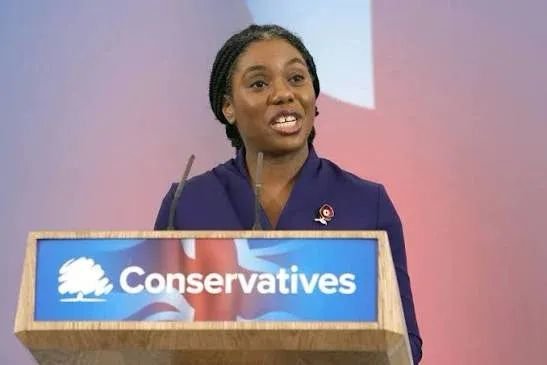
The United Kingdom’s Conservative Party, led by Kemi Badenoch, has unveiled plans to restrict foreign nationals from accessing social housing in England, saying the policy would make more homes available to British families.
The proposal, announced on Friday, August 7, 2026, would prevent foreign nationals from receiving new social-housing tenancies and would also affect some people already living in council and other social housing.
The Conservatives argue that the move would help address pressure on England’s housing system by prioritising British citizens at a time when demand for affordable accommodation remains high.
According to reports, the party estimates that its proposal could make about 230,000 homes available to British families. The policy would apply particularly to households where neither person has British, Irish or qualifying EU settled status.
𝗪𝗵𝗮𝘁 𝘁𝗵𝗲 𝗖𝗼𝗻𝘀𝗲𝗿𝘃𝗮𝘁𝗶𝘃𝗲𝘀 𝗮𝗿𝗲 𝗽𝗿𝗼𝗽𝗼𝘀𝗶𝗻𝗴
Under the proposed policy, foreign nationals would generally no longer be able to access social housing through new allocations.
The Conservatives have also proposed changes affecting existing tenants. Reports indicate that current tenancies could be ended where neither member of a couple has British, Irish or qualifying settled status.
The proposal forms part of Badenoch’s wider campaign to tighten immigration rules and reduce what the Conservatives describe as pressure on Britain’s welfare system.
The party has already adopted a tougher position on immigration, including proposals to restrict asylum claims, increase deportations and introduce significant changes to Britain’s border and immigration system.
Badenoch has previously argued that immigration policy should place greater emphasis on what she describes as fairness to British taxpayers and people who have lived and worked in the country for years.
𝗛𝗼𝘄 𝘀𝗼𝗰𝗶𝗮𝗹 𝗵𝗼𝘂𝘀𝗶𝗻𝗴 𝘄𝗼𝗿𝗸𝘀 𝗻𝗼𝘄
The Conservative proposal would represent a significant change from the current system, although access to social housing is already restricted by immigration status.
The UK Government says people whose immigration status prevents them from accessing public funds or local-authority housing assistance are already excluded from social-housing allocations.
Asylum seekers are also generally not eligible for social housing.
However, some foreign nationals who have the appropriate immigration status can currently qualify. When eligible, their housing needs are assessed under local councils’ allocation policies alongside other eligible applicants.
People experiencing homelessness, overcrowding or certain medical circumstances can receive priority under those schemes.
This means the Conservative proposal is not simply about stopping newly arrived migrants from entering the social-housing system. It would potentially change the position of some foreign nationals who are already eligible under existing rules.
𝗖𝗼𝗻𝘀𝗲𝗿𝘃𝗮𝘁𝗶𝘃𝗲𝘀 𝘀𝗮𝘆 𝗕𝗿𝗶𝘁𝗶𝘀𝗵 𝗳𝗮𝗺𝗶𝗹𝗶𝗲𝘀 𝘀𝗵𝗼𝘂𝗹𝗱 𝗰𝗼𝗺𝗲 𝗳𝗶𝗿𝘀𝘁
The Conservatives are presenting the proposal as part of their broader effort to give British citizens greater priority in access to public services.
The party says limited social-housing supply means governments must make difficult choices about who qualifies for publicly supported accommodation.
The policy is also closely connected to the Conservatives’ wider immigration agenda under Badenoch.
The party says it wants to restore greater control over Britain’s borders and reduce incentives for people to migrate to the UK primarily to access public services.
Its current borders plan includes measures such as a proposed ban on asylum claims from new illegal entrants, increased removals and withdrawal from several international agreements.
𝗖𝗿𝗶𝘁𝗶𝗰𝘀 𝗰𝗮𝗹𝗹 𝘁𝗵𝗲 𝗽𝗹𝗮𝗻 𝗱𝗶𝘃𝗶𝘀𝗶𝘃𝗲
The proposal has already attracted strong criticism from opposition politicians, housing campaigners and organisations representing workers.
Critics argue that removing eligible foreign nationals from social housing would not solve England’s wider housing shortage because the fundamental problem is a lack of affordable homes.
They also warn that forcing some existing tenants to leave could increase homelessness and place additional pressure on councils and public services.
Housing charity Shelter has criticised the proposal, arguing that many foreign nationals living in social housing are long-term residents who pay rent and contribute to the economy.
The Royal College of Nursing has also raised concerns about the potential impact on key workers, including healthcare professionals who may be affected by changes to housing eligibility.
Labour has similarly criticised the proposal, describing it as impractical and arguing that it would not address the underlying causes of the housing crisis.
𝗛𝗼𝘄 𝗺𝗮𝗻𝘆 𝗽𝗲𝗼𝗽𝗹𝗲 𝗰𝗼𝘂𝗹𝗱 𝗯𝗲 𝗮𝗳𝗳𝗲𝗰𝘁𝗲𝗱?
Figures cited in reports suggest that hundreds of thousands of non-UK and non-Irish nationals live in social housing across England.
The English Housing Survey indicates that non-UK/Irish nationals account for around 11.5 per cent of main social-housing tenants, representing approximately 470,000 people.
However, that figure should not be interpreted as meaning all 470,000 people would lose their homes under the Conservative proposal.
Eligibility depends on immigration and settlement status, while the party’s proposed exemptions would mean some foreign nationals could remain eligible.
The estimated 230,000 homes that Conservatives say could be freed up is therefore a policy estimate rather than a direct count of homes that would immediately become vacant.
𝗕𝗿𝗼𝗮𝗱𝗲𝗿 𝗶𝗺𝗺𝗶𝗴𝗿𝗮𝘁𝗶𝗼𝗻 𝗱𝗲𝗯𝗮𝘁𝗲
The announcement comes amid an increasingly heated political debate over immigration in Britain.
The Conservatives have faced pressure from Reform UK to adopt tougher immigration policies, with both parties competing for voters concerned about migration, public services and housing availability.
Badenoch has positioned the Conservative Party firmly on the right of the political debate over immigration, arguing that Britain needs stronger borders and tighter controls on access to welfare.
The issue of housing has become particularly sensitive because social-housing waiting lists remain long in many parts of England, while private rents and house prices have also created difficulties for many households.
𝗪𝗵𝗮𝘁 𝗵𝗮𝗽𝗽𝗲𝗻𝘀 𝗻𝗲𝘅𝘁?
The Conservative proposal is not currently a change in the law. It is a policy commitment that would require a future Conservative government to introduce and implement new legislation or regulations.
If pursued, the policy would likely face political, legal and administrative challenges, particularly concerning existing tenants, families with mixed immigration statuses and the treatment of people with long-term connections to Britain.
The debate is therefore expected to continue as the Conservatives develop their wider immigration and welfare programme ahead of the next UK general election.
For now, the proposal highlights the growing political battle over who should have priority for scarce social housing and how immigration should influence access to publicly supported services.
The Conservatives say the priority should be British families.
Critics argue that the housing crisis requires the construction of more affordable homes rather than removing existing tenants based on nationality.
The dispute is likely to remain a major issue in Britain’s immigration and housing debate.
Sources
The Guardian, Financial Times, UK Parliament and Conservative Party UK