Reported by Weng Patrick Atokor | journalist at Weng Global
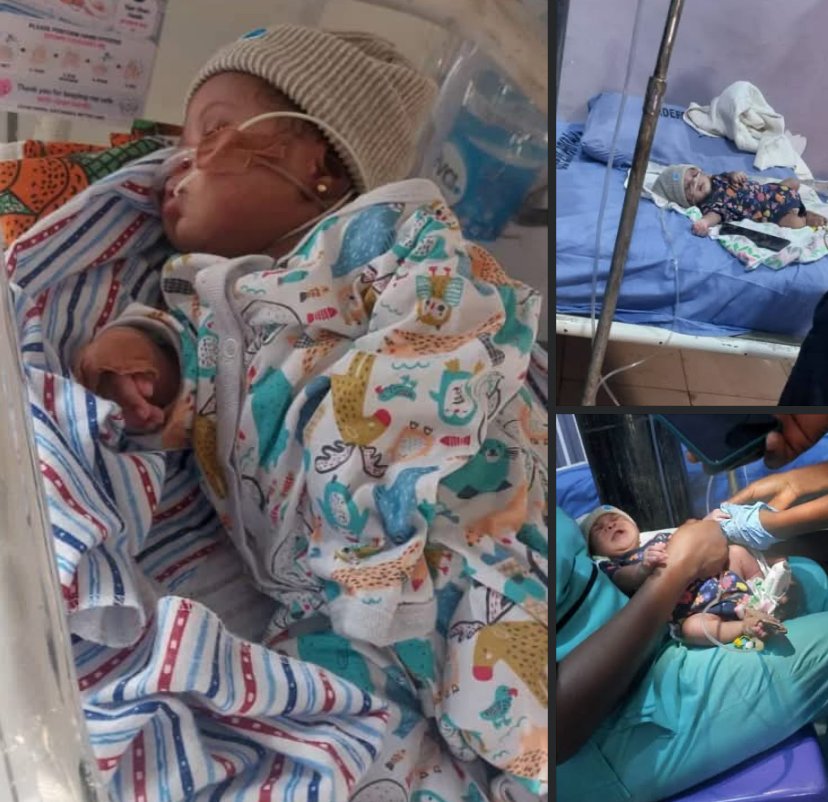
The Straight Child Foundation (TSCF) has sponsored the treatment of 37 Nigerian children born with clubfoot, reinforcing its commitment to ensuring that children affected by the congenital condition can access timely and effective medical care.
The initiative highlights the importance of early detection and intervention in the management of clubfoot, a condition in which one or both feet are turned inward or downward at birth. Health professionals say children who receive treatment early generally have better prospects for achieving functional, pain-free mobility.
The foundation has made clubfoot treatment one of its major areas of intervention and has worked with healthcare partners to expand access to care for children across Nigeria.
According to information from the foundation, TSCF has treated more than 1,600 children with clubfoot and established more than 11 clinics across eight states, providing families with access to corrective treatment.
Early treatment remains critical
The sponsorship of the 37 children underscores the importance of identifying clubfoot as early as possible and connecting affected children with trained healthcare providers.
Clubfoot is a congenital condition, meaning it is present at birth. Without appropriate treatment, it can affect a child’s ability to walk normally and may lead to pain, difficulty wearing footwear and other mobility challenges later in life.
Recent data from the Straight Child Foundation also illustrates the importance of early intervention. In February 2026, the organisation enrolled 112 children for clubfoot treatment across 23 specialised clinics in 11 Nigerian states. Punch reported that more than 73.8 per cent of those enrolled were below 12 months of age.
The emphasis on treating children at an early age is consistent with the approach adopted by clubfoot programmes in Nigeria and other countries.
Ponseti method offers non-surgical correction
A central component of the treatment programme is the Ponseti method, a widely used approach for correcting clubfoot without major surgery.
The method involves gently manipulating the child’s foot into a more appropriate position and applying a series of casts to gradually correct the deformity. Once the correction is achieved, bracing is used to help maintain the position of the foot and reduce the risk of relapse.
MiracleFeet, which supports clubfoot programmes in Nigeria, says its Nigerian partners train healthcare providers in the Ponseti method and provide braces as part of comprehensive clubfoot care. The organisation also supports quality monitoring and community outreach aimed at improving access to treatment.
The Straight Child Foundation’s partnership with MiracleFeet began in 2018, initially focusing on improving clubfoot treatment outcomes in southeastern Nigeria. The programme started in Abia State before expanding to Akwa Ibom and Anambra states.
Expanding access to underserved communities
The sponsorship comes against the background of continuing gaps in access to specialised orthopaedic services in parts of Nigeria.
MiracleFeet estimates that Nigeria records more than 10,000 new cases of clubfoot annually. Its programme currently supports dozens of clinics across the country and works with local organisations to improve access to care.
For many families, the cost of treatment, transportation and repeated hospital visits can create barriers to completing the treatment process. Support from organisations such as the Straight Child Foundation can therefore play an important role in helping children receive the necessary care.
The foundation has also continued to advocate for greater awareness of available treatment services. In 2025, TSCF said it engaged the Nigeria Union of Journalists in Abia State to raise awareness about childhood disabilities and encourage referrals of children with clubfoot to its treatment programme.
The organisation has stressed that families should not delay seeking help when they notice that a newborn has an abnormally positioned foot.
Broader impact of clubfoot care
The treatment of clubfoot goes beyond correcting the physical position of a child’s foot. Successful treatment can improve mobility and allow children to participate more fully in school, play and other aspects of everyday life.
For children whose condition remains untreated, the resulting mobility difficulties can have social and economic consequences for both the child and family.
The experience of TSCF and its partners demonstrates how early diagnosis, specialised healthcare and sustained follow-up can help address these challenges.
MiracleFeet’s 2025 impact report recorded 2,292 new clubfoot patients in Nigeria and 6,259 all-time enrolments across programmes involving TSCF and other local partners, with 65 clinics supported.
The figures point to the growing scale of efforts to make clubfoot treatment more accessible in Nigeria.
Government, communities urged to support early detection
The latest sponsorship also reinforces the need for stronger collaboration between government agencies, healthcare providers, non-governmental organisations and communities.
Public awareness can help parents recognise clubfoot early and seek professional care rather than relying on unproven traditional methods or waiting until a child becomes older.
The Straight Child Foundation has previously called for stronger government support to help patients complete their treatment and has advocated increased public awareness about the availability of free clubfoot treatment.
The Federal Ministry of Health and Social Welfare has also included representatives of the Straight Child Foundation among stakeholders involved in Nigeria’s national birth-defects surveillance work, reflecting the organisation’s involvement in broader efforts around childhood congenital conditions.
As the 37 sponsored children begin or continue their treatment, the initiative provides another example of how targeted support can help remove financial barriers to essential healthcare.
For parents and guardians, the key message from health professionals remains clear: clubfoot should be assessed early by qualified healthcare providers. With appropriate treatment, including the Ponseti method and proper follow-up, many affected children can grow up with functional feet and the ability to walk normally.
The Straight Child Foundation’s intervention therefore represents not only financial assistance for 37 families but also part of a wider effort to ensure that being born with clubfoot does not determine a child’s future mobility or quality of life.
Sources
- The Straight Child Foundation — official website and programme information.
- MiracleFeet — Nigeria clubfoot treatment programme.
- Punch — report on the enrolment of 112 children for clubfoot treatment in 2026.
- MiracleFeet 2025 Impact Report.
- Federal Ministry of Health and Social Welfare — National Birth Defects Surveillance Guideline.