Reported by Simon Daniel Yusuph l Journalist at Weng Global
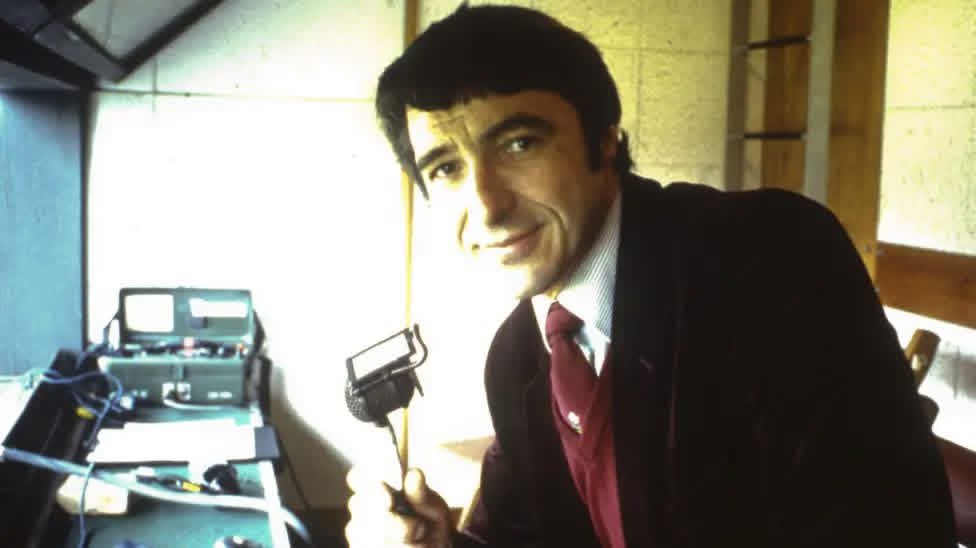
Former England rugby union international and renowned broadcaster Nigel Starmer-Smith has died at the age of 81 following a long battle with dementia, his son Charlie has announced.
Starmer-Smith, who earned recognition both as a player and as one of the familiar voices of British rugby broadcasting, died on Thursday, November 26, 2026. His death marks the passing of a figure whose career connected professional rugby, sports journalism and television commentary over several decades.
His son announced the news in a social media tribute, remembering his father as a devoted family man, writer, commentator and someone who brought happiness to people around him.
From England Scrum-Half to a Familiar Broadcasting Voice
Born on December 25, 1944, in Cheltenham, England, Nigel Christopher Starmer-Smith developed his rugby career through university and club competitions before representing his country at international level.
He played as a scrum-half for Oxford University and later joined Harlequins, one of England’s established rugby union clubs. His performances also earned him a place with the Barbarians, the invitation side known for bringing together prominent players from different rugby nations.
According to the Barbarians’ official player records, Starmer-Smith made 16 appearances for the club, scoring nine points.
His international career with England ran from 1969 to 1971, during which he won seven caps. He made his England debut against South Africa at Twickenham on December 20, 1969, in a match England won 11–8.
Although his international playing career was relatively short, his contribution to rugby extended well beyond the years he spent on the field.
A Career That Helped Bring Rugby Into British Homes
After retiring from playing in the mid-1970s, Starmer-Smith moved into sports journalism and broadcasting, where he established a lasting reputation.
He became particularly associated with the BBC’s Rugby Special, serving as its presenter and commentator for approximately 15 years. The programme brought highlights and discussion of rugby union matches to television audiences, helping viewers follow the sport beyond those who regularly attended matches.
His work made him a recognisable figure among rugby supporters, particularly during a period when television played an important role in expanding the sport’s audience.
Starmer-Smith also worked as an editor of Rugby World magazine, contributing to rugby coverage through journalism and written analysis. His professional interests extended beyond rugby union, with broadcasting assignments that included Olympic hockey.
He later commentated for ITV Sport during the 2003 Rugby World Cup in Australia, a tournament England won after defeating the hosts in the final.
His involvement in rugby sevens also became an important part of his broadcasting career. He served as a leading television commentator for the international sevens circuit, helping audiences follow a faster version of the sport that continued to attract attention around the world.
Dementia and the Family’s Public Account
Starmer-Smith’s final years were affected by dementia, a condition that gradually changed his ability to communicate and participate in everyday life.
His son Charlie had previously spoken publicly about his father’s illness. In 2021, he discussed the family’s experience during an appearance on BBC Radio 5 Live, explaining that his father had been living with frontotemporal dementia.
The condition can affect behaviour, personality, language and communication, although its effects vary between individuals.
In a 2022 account published by the Alzheimer’s Society, Charlie described how difficult it had been to recognise the changes in his father, particularly when he began making mistakes during rugby commentary that had once been second nature to him.
The account also highlighted the emotional effect of watching a man who had spent much of his professional life communicating confidently with large audiences gradually lose that ability.
Charlie used music as a way of expressing his experience. His song, Spotlight, was released in 2021, with proceeds directed towards dementia-related charitable causes.
The project helped draw attention to the experiences of families affected by dementia and the importance of supporting research and awareness initiatives.
His Son’s Tribute
In announcing his father’s death, Charlie described him as a man whose life included rugby, broadcasting, writing, charity fundraising and a strong commitment to family.
He also reflected on the personal difficulties the family had experienced, including the deaths of two of Nigel’s children at young ages.
Charlie said he did not want the illness that affected his father during his final years to define the memories he held of him. Instead, he encouraged those who knew Nigel to remember the happier moments they had shared.
The tribute presented a picture of a man remembered not only for his public achievements but also for his humour, generosity and relationships with family and friends.
A Lasting Contribution to Rugby Broadcasting
Starmer-Smith belonged to a generation of broadcasters who helped make rugby more accessible to television audiences.
His career covered several important parts of the sport: international playing, club rugby, magazine editing, television presentation and commentary across both the traditional 15-a-side game and rugby sevens.
His work on Rugby Special placed him among the broadcasters who helped shape how rugby was presented to British audiences. His later involvement in international competitions also gave him a role in communicating the sport to viewers beyond England.
For rugby supporters, his passing is a reminder of the influence broadcasters can have on how a sport is understood and remembered. While players are often celebrated for their performances, commentators and journalists also help preserve the stories, rivalries and defining moments that shape sporting history.
His career also illustrates how former athletes can continue contributing to their sports after retirement, using their experience and knowledge to inform audiences and support the development of wider sporting coverage.
Dementia and the Wider Conversation About Contact Sports
Starmer-Smith’s death has also brought renewed attention to dementia among people with backgrounds in contact sports.
Researchers and health organisations have continued examining possible links between repeated head impacts, certain sporting activities and neurological conditions. However, dementia has multiple causes, and an individual’s diagnosis should not automatically be attributed to a particular sport or playing career.
The Alzheimer’s Society has highlighted research into the possible relationship between contact sports and dementia through initiatives including Sport United Against Dementia.
Charlie’s earlier public comments about his father’s condition contributed to that wider conversation by showing the personal impact of the disease on former athletes and their families.
The issue remains important for sporting organisations, medical researchers, players and families seeking better understanding, prevention strategies and support for people living with dementia.
Remembering Nigel Starmer-Smith
Nigel Starmer-Smith leaves behind a sporting and broadcasting legacy built over several decades.
He represented England, played for Harlequins and the Barbarians, worked as a sports journalist and became a familiar voice to rugby audiences through his BBC and ITV assignments.
His death at 81 closes a chapter in the history of British rugby broadcasting, but his contribution to the sport remains part of its wider story.
For those who followed his career, he will be remembered as more than a former England scrum-half or television commentator. He was a broadcaster who helped generations of viewers connect with rugby and a journalist who devoted much of his professional life to the game.
Weng Global – stories beyond borders
Sources
- BBC News
- Barbarians Rugby Football Club
- Sports Journalists’ Association
- Alzheimer’s Society
- Sporting Heroes