Reported by Simon Daniel Yusuph l Journalist at Weng Global
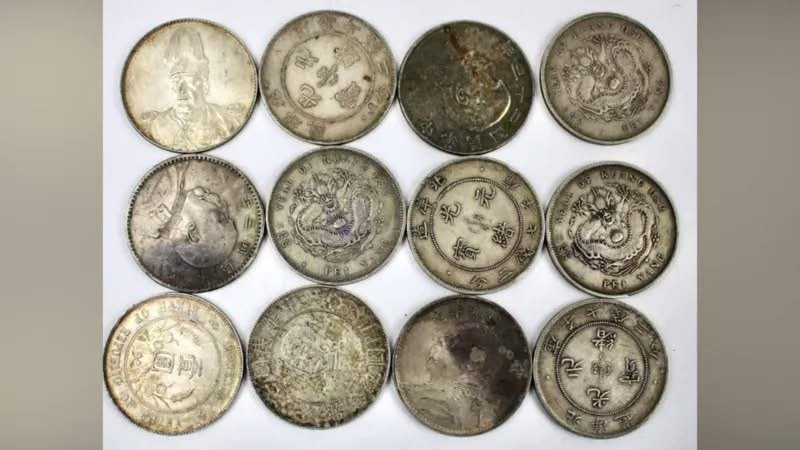
A collection of 12 rare Chinese silver coins discovered inside a shoebox has sold for £28,000 at an auction in Kent, United Kingdom, after intense competition between two Chinese bidders pushed the final price far beyond its original estimate.
The collection, which its former owner reportedly regarded as having little value, was initially expected to sell for between £100 and £200. However, interest from collectors, particularly in China, transformed the auction into an unexpectedly lucrative sale.
The coins were sold by Hansons Auctioneers during its Penshurst Fine Art Auction on November 24, 2026, with the final bidding taking place at the auction house’s saleroom in Penshurst, Kent.
The remarkable result followed a bidding contest between two Chinese buyers, who competed for the collection until the price reached £28,000.
The sale attracted attention because of the significant difference between the original valuation and the final amount, highlighting the potential value of rare historical objects that may remain unidentified in private collections for years.
How the Rare Chinese Coins Were Discovered
According to information released by Hansons Auctioneers, the 12 coins were brought to the auction house inside a shoebox, concealed among other objects that the former owner reportedly considered worthless.
The collection was initially presented as an ordinary group of Chinese coins without an expectation of generating substantial interest.
However, auction specialists became increasingly interested after examining the items and publishing the collection in the auction catalogue.
The online listing subsequently attracted attention from Chinese collectors, prompting the auction house to recognise that the collection might contain something particularly valuable.
Justin Matthews, director of Hansons Auctioneers, explained that the coins had initially been overlooked by their former owner.
He said the auction house suspected that something special might be among the collection after the online catalogue began attracting considerable interest from collectors in China.
The discovery eventually resulted in a sale worth £28,000, significantly exceeding the initial estimate.
1914 Silver Dollar Emerges as the Most Important Coin
Among the 12 coins was a particularly rare 1914 silver dollar featuring Yuan Shikai, the first President of the Republic of China.
The coin depicts Yuan wearing an elaborate military hat decorated with feathers, giving it the distinctive appearance by which collectors recognise it.
Known among numismatists as the Plumed Hat dollar, the coin is considered a desirable piece of early Republican Chinese coinage.
Numismatics is the study and collection of coins, banknotes and other forms of currency.
The Plumed Hat dollar is particularly significant because it represents an important period in China’s monetary and political history following the end of imperial rule.
According to reports about the auction, the coin’s historical significance, distinctive portrait and limited production contributed to its attractiveness among collectors.
The 1914 issue was designed by Italian engraver Luigi Giorgi, who served as chief engraver at the Tientsin Mint.
The standard issue reportedly had a limited mintage of approximately 20,000 pieces.
Its relative scarcity and historical importance have made it a recognised item among collectors of Chinese coins.
Who Was Yuan Shikai?
The historical figure featured on the rare silver dollar, Yuan Shikai, was one of the most influential and controversial personalities in modern Chinese history.
Born in 1859, Yuan rose through China’s military and political establishment during the final decades of the Qing Dynasty.
He became a powerful military commander and played an important role in the political developments that led to the collapse of imperial rule during the 1911 Xinhai Revolution.
Following the establishment of the Republic of China, Yuan became the country’s president in 1912.
His presidency lasted until 1916, when he died after a failed attempt to establish himself as emperor.
His political career remains significant in China’s transition from imperial government to republican rule.
Consequently, coins bearing his portrait are not simply monetary objects. They also represent an important chapter in the country’s political and economic history.
The Plumed Hat dollar is particularly interesting to collectors because it reflects the early years of the Chinese Republic, when the country was establishing new political institutions and monetary systems.
Two Chinese Buyers Drive Auction Price to £28,000
The final sale price was largely driven by competition between two Chinese bidders at the Hansons saleroom.
Although the collection had been valued at just £100 to £200 before the auction, the interest generated by the rare pieces resulted in an intense bidding contest.
The price continued to rise as the two buyers competed for ownership of the collection.
When the auctioneer finally brought the bidding to an end at £28,000, the result reportedly attracted applause from those present.
Auctioneer Charles Hanson described the collection as an exceptional discovery and highlighted the excitement associated with live auctions.
The result demonstrated how specialist knowledge and competition among collectors can dramatically influence the value of historical objects.
It also showed the importance of examining seemingly ordinary collections carefully before deciding that they have little financial or historical significance.
From £200 Estimate to £28,000 Sale
The difference between the original estimate and the final sale price was particularly striking.
The collection had been expected to generate between £100 and £200.
At the final price of £28,000, the hammer amount was 140 times the upper estimate of £200.
Compared with the lower estimate of £100, the final amount was 280 times higher.
This represents an extraordinary outcome for a collection that had reportedly remained unnoticed among ordinary household possessions.
However, the final hammer price should be distinguished from the amount the seller ultimately receives, as auction fees, commissions and other applicable charges may affect the net proceeds.
The auction result also illustrates why accurate identification and specialist valuation are important when dealing with historical coins and collectibles.
Why Rare Coins Attract International Collectors
Rare coins are valued for several reasons, including historical significance, scarcity, condition, design, authenticity and demand among collectors.
Unlike ordinary currency, which derives its value primarily from its monetary denomination, collectible coins can command prices far above their original purchasing power.
Historical coins may become particularly desirable when they are associated with important political figures, significant national events or limited production periods.
For collectors, owning such pieces can represent an opportunity to preserve a physical connection to history.
Chinese Republican-era coins have attracted interest because they reflect a period of major political and economic transformation in the country.
The Plumed Hat dollar is an example of how historical background, distinctive artistic design and limited availability can combine to create substantial collector demand.
Nevertheless, not every old coin is automatically valuable. Authentication, condition assessment and specialist knowledge remain essential when determining the actual market value of a collection.
What the Auction Discovery Means
The sale of the 12 Chinese coins offers an interesting example of how overlooked historical objects can acquire significant value when their importance is properly recognised.
For the auction house, the discovery demonstrated the importance of careful examination and research before assigning values to unusual collections.
For collectors, the sale reinforced the role of historical knowledge in identifying rare items that might otherwise remain unnoticed.
The incident also highlights the growing international nature of the collectibles market, where buyers from different countries compete for objects connected to their national histories and cultural heritage.
In this case, interest from Chinese collectors helped transform an ordinary-looking shoebox collection into a £28,000 auction sale.
Ultimately, the discovery serves as a reminder that objects dismissed as insignificant may sometimes carry considerable historical and financial value.
Weng Global – stories beyond borders
Sources
- Hansons Auctioneers – Auction information and sale catalogue.
- Easy Live Auction – Hansons Penshurst Fine Art Auction catalogue, November 24, 2026.
- SWNS – Reporting on the discovery and £28,000 auction result.
- Yahoo News – Coverage of the rare Chinese coins and bidding competition.