Reported by Simon Daniel Yusuph l Journalist at Weng Global
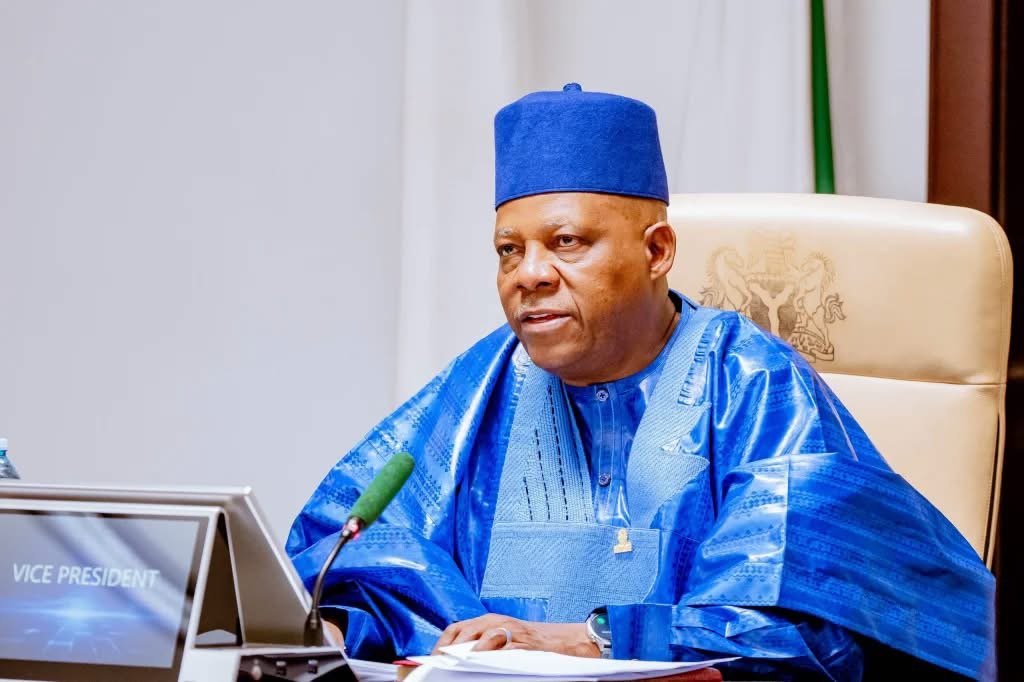
Vice-President Kashim Shettima has inaugurated the Ekwulobia Flyover in Anambra State, while announcing that President Bola Tinubu has approved Free Trade Zone status for the Anambra Industrial City, a development expected to strengthen the state’s ambition to attract investment, expand manufacturing and create employment opportunities.
Shettima performed the inauguration on Thursday, November 26, 2026, in Ekwulobia, Aguata Local Government Area, during an official visit to the state. The event brought together Governor Chukwuma Charles Soludo, government officials, traditional rulers and other stakeholders.
The Vice-President also used the occasion to highlight the Federal Government’s infrastructure and economic development commitments in the South-East, presenting the industrial city approval as part of efforts to expand economic opportunities beyond Nigeria’s traditional commercial centres.
The development combines two important aspects of Anambra’s development agenda: improved transport infrastructure and the creation of an industrial environment designed to attract local and international businesses.
Ekwulobia Flyover Becomes a Major Addition to Anambra’s Road Infrastructure
The Ekwulobia Flyover is one of the flagship infrastructure projects of the Soludo administration. It was designed to address traffic congestion around a busy junction connecting communities along the Nanka-Uga axis.
The structure is approximately 300 metres long and forms part of a wider infrastructure development that includes a modern bus terminal, adjoining roads and special lighting facilities.
Ekwulobia is an important commercial and transportation centre in Aguata Local Government Area. Its road network serves residents, traders, commuters and travellers moving between surrounding communities.
Traffic congestion around the area has historically been a concern, particularly during festive periods when commercial activities and population movements increase.
The flyover is intended to improve traffic circulation by separating some movements that previously converged around the junction. It is also expected to reduce travel delays and improve access to neighbouring communities.
Before the inauguration, the Anambra State Government said the structure had undergone quality assurance tests and structural integrity assessments conducted by certified engineers and relevant regulatory authorities.
The state’s Commissioner for Works and Infrastructure, Okey Ezeobi, had described the project as ready for public use following the assessments.
The government had earlier fixed November 27 for the formal commissioning and opening of the flyover. The ceremony was subsequently brought forward to November 26, when Shettima inaugurated the project.
Federal Government Approves Free Trade Zone Status for Anambra Industrial City
A major economic announcement accompanying the inauguration was the approval of Free Trade Zone status for the Anambra Industrial City.
Shettima said President Tinubu had approved the designation as part of the Federal Government’s commitment to supporting industrial development and economic growth in the South-East.
The approval is significant because Free Trade Zones are designed to provide an environment that encourages investment, manufacturing, processing, trade and export-oriented activities.
The Anambra Mixed-Use Industrial City is intended to become a major industrial and commercial development in the state. Its proposed activities are expected to support manufacturing and related businesses while creating opportunities for investors and workers.
The National Assembly? No. The relevant federal regulatory body is the Nigeria Export Processing Zones Authority (NEPZA), which oversees the establishment and regulation of export processing and free trade zones in the country.
NEPZA’s published list of zones under construction includes the Anambra Mixed Use Industrial City Free Trade Zone. The authority identifies manufacturing as its specialised area and records its designation year as 2026.
However, approval and designation should not be confused with full commercial operation. The listing identifies the Anambra project as being under construction, meaning the development still requires the necessary infrastructure, investment and operational arrangements before its full industrial potential can be realised.
The distinction is important for businesses and prospective investors assessing the opportunities associated with the announcement.
What Free Trade Zone Status Could Mean for Businesses and Investors
Free Trade Zones are established to support economic activities through regulatory and operational arrangements designed to make investment and export-oriented production more competitive.
Depending on the applicable approvals and regulations, businesses operating within designated zones may benefit from incentives relating to customs procedures, importation of production inputs and the movement of goods.
Such arrangements can help reduce some of the administrative and operational barriers faced by manufacturers, particularly companies producing goods for international markets.
For Anambra, the industrial city could provide a platform for businesses seeking access to Nigeria’s domestic market and wider African trade opportunities.
The state has a long history of entrepreneurship, manufacturing, trading and private-sector enterprise. Cities such as Nnewi and Onitsha have developed strong commercial identities, with businesses operating across manufacturing, automobile components, pharmaceuticals, distribution and general merchandise.
The proposed industrial city could build on that economic foundation by providing a more coordinated environment for industrial production and investment.
However, the success of the project will depend on more than its official designation. Investors will require reliable electricity, accessible roads, water supply, security, efficient administration and clear regulatory arrangements.
The availability of these services will influence whether the industrial city can attract businesses capable of creating sustainable employment and expanding production.
Shettima Highlights Federal Government’s Commitment to the South-East
During the inauguration, Shettima described Anambra as an important centre of commercial enterprise and entrepreneurship in Nigeria.
He argued that the state’s business community required infrastructure capable of supporting economic activity and enabling entrepreneurs to expand beyond their immediate communities.
The Vice-President also presented the industrial city approval as evidence that the South-East remained part of the Tinubu administration’s development priorities.
His remarks placed the inauguration within the broader national discussion about infrastructure distribution, regional economic development and the need to create opportunities across Nigeria’s geopolitical zones.
The South-East has significant commercial and industrial potential, but businesses in the region continue to face infrastructure and logistics challenges.
Improved transport networks and industrial facilities could help address some of these constraints, although sustained federal and state cooperation will be necessary to deliver measurable results.
Other Infrastructure Projects Featured During Shettima’s Visit
The Ekwulobia Flyover was not the only project associated with the Vice-President’s visit.
Other developments listed for inauguration by the Anambra State Government included the Tower of Light and a shopping mall.
Shettima’s visit also provided an opportunity for engagement with traditional rulers and community leaders.
Ahead of the ceremony, the Vice-President arrived at Chinua Achebe International Airport in Umueri, where he was received by Governor Soludo, Deputy Governor Onyekachi Ibezim, traditional rulers and other government representatives.
The visit was part of a broader engagement involving infrastructure development, national cohesion and discussions about the development of the South-East.
The presence of traditional rulers and community representatives reflected the importance of local participation in development initiatives, particularly projects expected to affect transportation, commerce and economic activity.
Anambra’s Industrialisation Ambition and the Challenge of Implementation
Governor Soludo’s administration has placed infrastructure, economic transformation and urban development among its central priorities.
The proposed industrial city forms part of a wider strategy to develop new economic centres and improve the state’s attractiveness to investors.
The administration has previously highlighted the Anambra Mixed-Use Industrial City as a major component of its long-term development plans.
In its 2025 budget speech, the state government said the industrial city’s master plan had been completed and identified support from development finance institutions, including the African Export-Import Bank and the African Development Bank, as part of the broader development outlook.
The state has also discussed the importance of access roads, electricity, water supply and security in preparing the industrial city for investors.
These requirements remain central to the project’s prospects.
Industrial development depends on dependable infrastructure because manufacturers must be able to operate machinery, move raw materials, transport finished products and maintain predictable production costs.
Without reliable electricity and efficient logistics, even a designated industrial zone may struggle to attract businesses capable of operating at scale.
The Federal Government’s approval therefore represents an important administrative milestone, but the next phase will involve translating that approval into an operational environment that can deliver economic benefits.
Potential Benefits for Employment and Regional Trade
If properly developed, the industrial city could create employment opportunities across manufacturing, construction, logistics, distribution, maintenance and professional services.
It could also provide opportunities for small and medium-sized enterprises to supply larger manufacturers with materials, equipment, packaging, transportation and other services.
For young people in Anambra and neighbouring states, the development could expand access to technical and industrial employment.
The project may also strengthen the state’s position within regional and continental trade networks.
Under the African Continental Free Trade Area framework, African countries are working towards reducing barriers to trade and expanding the movement of goods and services across the continent.
An operational industrial city with effective export infrastructure could help Nigerian manufacturers explore opportunities in other African markets.
Nevertheless, these benefits will depend on the number of businesses that establish operations, the scale of production, the quality of infrastructure and the ability of local workers to access the opportunities created.
The state and federal governments will also need to ensure that smaller businesses and local communities are not excluded from the economic opportunities associated with the project.
Why the Flyover and Industrial City Approval Matter
The inauguration of the Ekwulobia Flyover and the approval of the industrial city’s Free Trade Zone status represent two different but connected dimensions of development.
The flyover addresses an immediate transportation challenge by improving movement around an important commercial junction.
The industrial city, on the other hand, represents a longer-term economic ambition focused on manufacturing, investment and trade.
Together, the developments highlight the relationship between physical infrastructure and economic productivity.
Roads and bridges make it easier for people and goods to move. Industrial facilities provide opportunities for businesses to produce goods, employ workers and expand commercial activity.
For Anambra, the challenge will be ensuring that infrastructure investments are supported by policies and services that allow businesses and residents to benefit.
The developments also have implications beyond the state. A stronger manufacturing base in the South-East could contribute to Nigeria’s wider efforts to diversify its economy, increase domestic production and reduce dependence on imported goods.
What Happens Next?
Following the inauguration, attention will turn to the practical impact of the Ekwulobia Flyover and the next stages of the industrial city project.
For the flyover, residents and motorists will be looking for improved traffic movement, safer road use and reduced delays, particularly during periods of increased commercial activity.
For the industrial city, prospective investors will require further details about its development timeline, infrastructure readiness, regulatory framework and the incentives available to eligible businesses.
NEPZA’s listing of the project as a Free Trade Zone under construction indicates that development and operational preparations remain important parts of the process.
The Federal Government and Anambra State Government will also need to maintain coordination to ensure that the approval leads to actual investment and industrial activity.
Ultimately, the success of both developments will be measured not only by official ceremonies but by their ability to improve everyday life, create jobs, support businesses and strengthen the state’s contribution to Nigeria’s economy.
Weng Global – stories beyond borders
Sources
- Anambra State Government
- Nigeria Export Processing Zones Authority (NEPZA)
- Independent Newspaper Nigeria
- Arise News
- Premium Times