Reported by Simon Daniel Yusuph l Journalist at Weng Global
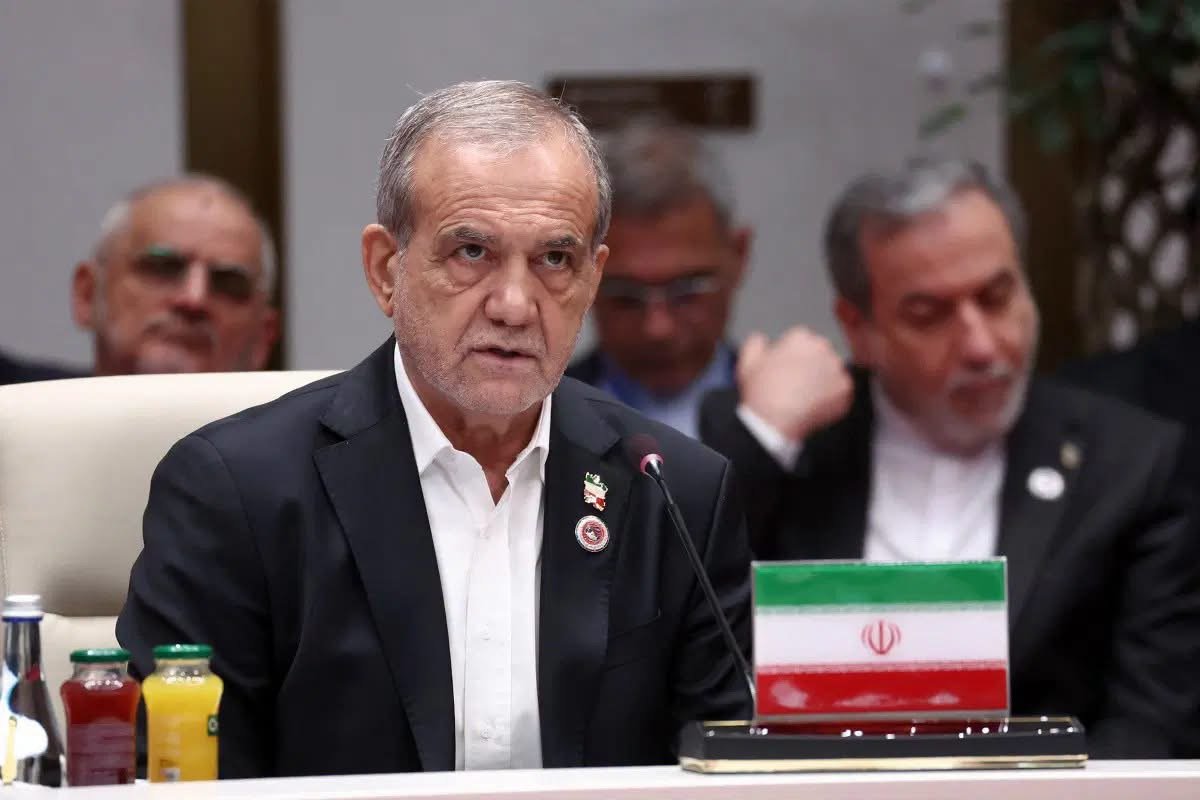
Iranian President Masoud Pezeshkian has told U.S. President Donald Trump that Tehran will not surrender to American pressure, declaring at the United Nations General Assembly that Iran will never “bend at the knee” despite sanctions, military pressure and the continuing conflict between the two countries.
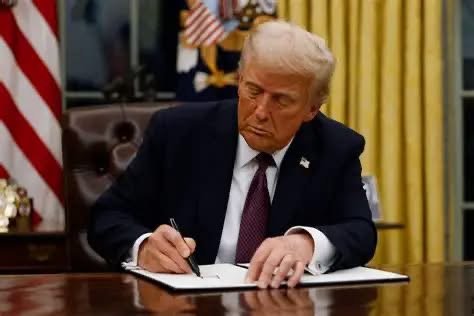
Pezeshkian made the remarks on Wednesday, September 23, 2026, during his address to the 81st United Nations General Assembly in New York. His speech came a day after Trump used the same international platform to warn that the United States could “annihilate” Iran if an agreement to end the conflict is not reached.
The Iranian president nevertheless said Tehran remained prepared for dialogue and negotiations, but rejected what he described as attempts to force Iran into accepting an agreement under pressure.
“[Trump] must know that the resistance of the Iranian people will only increase in the face of sanctions, increased pressure, increased bullying,” Pezeshkian said, according to reports by AFP and Reuters. “We will never bow our head or bend at the knee.”
Pezeshkian Responds to Trump’s UN Warning
The exchange at the UN has highlighted the sharply different positions of Washington and Tehran as diplomatic efforts continue alongside military confrontation.
Trump told the General Assembly on Tuesday that the United States had acted to prevent Iran from obtaining a nuclear weapon and warned that the conflict could continue unless Tehran agreed to a deal. He also said he believed an agreement could eventually be reached.
Pezeshkian responded by rejecting the language of coercion and arguing that Iran had consistently shown a willingness to negotiate.
He said Iran had “never ever been an aggressor” and had not started the war, while accusing the United States and Israel of attacking his country.
The Iranian president also accused Washington of terrorism in connection with the killing of former Supreme Leader Ayatollah Ali Khamenei, according to reports on his UN address. These are Pezeshkian’s allegations and reflect Tehran’s position in the conflict.
Strait of Hormuz Becomes Central to the Dispute
A major issue in the confrontation is the Strait of Hormuz, one of the world’s most important energy shipping routes.
Pezeshkian told the General Assembly that Iran would not accept a situation in which other countries benefit from the strategic waterway while Iran is denied access to shipping through it.
“It cannot be the case that everyone benefits from the Strait of Hormuz while we are denied access to shipping through this waterway,” he said, according to Reuters and other reports.
The waterway has become a major pressure point in the conflict because of its importance to international energy supplies. Disruptions around the strait have already contributed to concerns about oil prices, shipping and wider economic stability.
On Tuesday, Reuters reported that a senior Iranian official had said Tehran was prepared to reopen the Strait of Hormuz within a week if Washington reduced military pressure and lifted its blockade on Iranian ports. Iran’s proposal for ending hostilities had reportedly been delivered through mediators on September 16.
Diplomacy Remains Possible
Despite the increasingly forceful rhetoric from both governments, diplomatic channels have not completely closed.
U.S. and Iranian officials have continued indirect contacts through intermediaries. Reuters reported that Trump said on September 22 that talks with Iran were continuing and that he believed a settlement could eventually be reached.
Iranian Foreign Minister Abbas Araqchi and U.S. envoy Steve Witkoff also held indirect discussions in New York on the sidelines of the UN General Assembly, according to reporting cited by the BBC and other outlets. The talks were brokered by Qatar.
However, significant disagreements remain over the conditions for ending the conflict.
Iran has linked any reopening of the Strait of Hormuz to an easing of U.S. military pressure and the lifting of the blockade. Washington, meanwhile, continues to insist that Iran must not obtain a nuclear weapon.
US Delegation Walks Out During Pezeshkian’s Speech
Pezeshkian’s address also highlighted the diplomatic tension inside the United Nations.
Reports said members of the U.S. delegation walked out when the Iranian president began his speech. The walkout followed Trump’s extensive criticism of Iran during his own address to the General Assembly a day earlier.
The episode underscored the depth of the disagreement between Washington and Tehran, even as both sides continue to leave open the possibility of negotiations.
The United Nations has itself called for greater international cooperation and de-escalation as conflicts continue to affect several parts of the world. UN Secretary-General António Guterres warned at the opening of the General Assembly that international law and multilateral cooperation were under serious strain.
Why the Iran-US Conflict Matters Beyond the Middle East
The confrontation has consequences beyond Iran, Israel and the United States.
The Strait of Hormuz is particularly important to global energy markets. Any prolonged disruption to shipping through the waterway can affect crude oil and gas supplies, transportation costs and energy prices in countries far from the Middle East.
Reuters reported that oil prices had recently fallen amid hopes for renewed U.S.-Iran diplomacy, demonstrating how closely energy markets are responding to developments in the conflict and negotiations.
For African economies, prolonged disruption to global energy markets could also have implications for fuel prices, transportation costs, inflation and government finances, particularly in countries that rely heavily on imported petroleum products.
The diplomatic dimension is equally significant. Any agreement between Washington and Tehran could affect regional security, international energy flows and negotiations over Iran’s nuclear programme.
What Happens Next
The immediate focus is likely to remain on diplomatic contacts surrounding the UN General Assembly and the conditions being discussed by Washington and Tehran.
Iran has signalled that it is willing to negotiate but wants military pressure and restrictions on its shipping eased. The United States has maintained its demand that Iran must not acquire a nuclear weapon while Trump has simultaneously indicated that a settlement remains possible.
Whether those positions can be reconciled remains unresolved.
For now, Pezeshkian’s UN address has made Tehran’s position clear: Iran says it will resist pressure but remains open to diplomacy, while Washington continues to combine military pressure with an expressed willingness to pursue a negotiated settlement.
The coming diplomatic discussions will therefore be closely watched for any agreement on the conflict, Iran’s nuclear programme, sanctions, the Strait of Hormuz and the broader security situation in the Middle East.
Weng Global – stories beyond borders
Sources
- Reuters
- Associated Press
- AFP
- BBC
- United Nations