Reported by Weng Patrick Atokor l Journalist at Weng Global
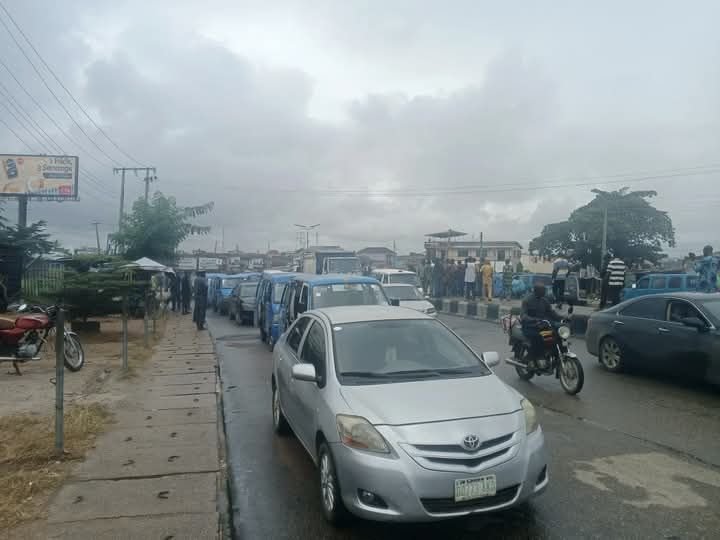
Commercial minibus drivers in Osogbo, Osun State, on Wednesday, September 23, 2026, staged a protest over rising petrol costs, increasing vehicle maintenance expenses and what they described as the alleged mismanagement of proceeds from daily transport tickets.
The drivers, popularly known as Korope operators, gathered around the Aiyetoro area of Osogbo and temporarily withdrew their vehicles from the roads as they called for intervention over the growing cost of operating commercial transportation.
The protest also centred on demands for a review of transport fares and improved access to Compressed Natural Gas (CNG), which the drivers regard as a potentially cheaper alternative to petrol.
Drivers Cite Rising Cost of Operations
The operators said the sharp increase in the cost of running their vehicles has made it increasingly difficult to sustain their businesses.
According to reports from the protest, some drivers said they now spend substantial amounts on petrol each day while earning significantly less after accounting for fuel, vehicle maintenance, spare parts and other household expenses.
One of the protesters, Adewumi Adeleke, said some drivers spend as much as ₦40,000 on petrol daily, leaving only a small amount of money after other operating expenses have been deducted.
Adeleke appealed to the Federal Government and the Osun State Government to accelerate the availability of CNG infrastructure in the state and support drivers who want to convert their vehicles from petrol to CNG.
Another driver, Prince Olakunle Ojo, said the economics of operating a minibus had become increasingly difficult. He cited a situation in which a driver could spend about ₦15,000 on fuel and generate only about ₦13,000 in daily earnings.
The figures were presented by the drivers and could not independently be verified by Weng Global.
Ticket Proceeds Become Part of Drivers’ Grievances
Beyond fuel prices, the drivers also raised concerns about the handling of proceeds from transport tickets.
The protesters alleged that money collected through daily tickets was not being properly accounted for by union leaders. The allegation was part of the grievances reported during the protest.
The claim has not been independently established by Weng Global, and no response from the affected union leadership was identified in the reports reviewed for this story.
The issue nevertheless reflects a wider concern among commercial transport operators about the cost of levies, union charges and other payments that reduce the income available to drivers after daily operating expenses.
Drivers Demand CNG Stations in Osun
A major demand from the protesters was the establishment of accessible CNG refuelling facilities in Osun State.
The drivers said some operators were interested in converting their vehicles to CNG but faced difficulties because of the limited availability of refuelling infrastructure.
Prince Olakunle Ojo said drivers who had already converted vehicles were struggling to access CNG locally.
The protesters argued that expanding CNG infrastructure could give commercial transport operators another fuel option and potentially reduce some of the pressure created by petrol prices.
However, the availability, affordability and accessibility of CNG depend on infrastructure, vehicle-conversion costs and the wider development of the alternative-fuel supply network.
Transport Fares Set for Increase
The protest also resulted in a new fare structure announced by the Association of Korope Drivers.
Reports on Wednesday indicated that the minimum fare for some intra-city routes in Osogbo would rise to ₦300 from Thursday, September 24.
Other routes were assigned fares ranging from ₦400 to ₦1,200, depending on the distance.
The drivers said the increases were linked to the rising cost of petrol and the wider expenses involved in operating and maintaining commercial minibuses.
The fare adjustment could have a direct effect on commuters who depend on Korope services for daily movement around Osogbo.
Drivers Seek Better Transport Infrastructure
The operators also called for the provision and improvement of designated bus stops across Osogbo.
They argued that clearly designated stops would help organise passenger boarding, reduce roadside stopping and make commercial transport operations more orderly.
The demand for better transport infrastructure is not entirely new. Previous reports from Osun have documented similar calls from Korope operators for designated bus stops and improved regulation of urban transportation.
The issue therefore extends beyond the immediate increase in fuel prices to questions about how commercial transport is organised within the state capital.
Threat of Further Withdrawal
The protesters warned that they could withdraw their services for up to one week if their concerns were not addressed.
Such an action would potentially affect commuters who rely on commercial minibuses for movement within Osogbo.
The drivers called for dialogue involving government authorities and transport unions, with the aim of finding measures to reduce the pressure on operators while also considering the effect of higher fares on passengers.
Why the Osogbo Protest Matters
The protest highlights the pressure that rising operating costs can place on public transportation.
For commercial drivers, higher fuel prices do not operate in isolation. Fuel is only one part of the cost of keeping a vehicle on the road. Spare parts, repairs, maintenance, levies, daily operating expenses and household costs also affect the income available to operators.
For commuters, however, higher transport fares create another challenge because transportation is an essential daily expense for workers, students, traders and other residents.
The situation therefore presents a balancing problem for policymakers and transport authorities: drivers need fares that reflect the cost of operating their vehicles, while commuters also face their own cost-of-living pressures.
The drivers’ demand for CNG infrastructure also places alternative fuel access at the centre of the discussion.
If CNG conversion becomes more accessible and refuelling infrastructure expands, commercial operators could have another option for managing fuel costs. But the effectiveness of such a transition would depend on the availability of stations, conversion costs, maintenance requirements and reliable fuel supply.
What Happens Next?
The immediate next step is expected to involve discussions between the drivers, transport unions and relevant government authorities.
The drivers have indicated that they could stage a longer withdrawal of services if their concerns remain unresolved.
The fare increases announced by the drivers are also expected to affect commuters from Thursday, with the new rates varying according to routes.
For the allegation concerning ticket proceeds, further clarification from the relevant transport unions or government authorities would be necessary before any conclusion can be reached about the management of the funds.
For now, the Osogbo protest has brought renewed attention to the financial pressures facing commercial transport operators and the potential consequences for commuters as the cost of keeping vehicles on the road continues to rise.
Weng Global – Stories beyond borders
Sources
- Punch — report on the Osun Korope drivers’ protest and allegations concerning ticket proceeds.
- Business Times Nigeria — report on the drivers’ demands for CNG infrastructure and fare review.
- Nigerian NewsDirect — report on the protest, fuel costs and CNG demands.
- New Telegraph — report on the fuel-price-related protest and drivers’ demands.
- Osun Defender — report on the new Osogbo Korope fare structure.