Reported by Simon yusuph, | Journalist at wengglobal
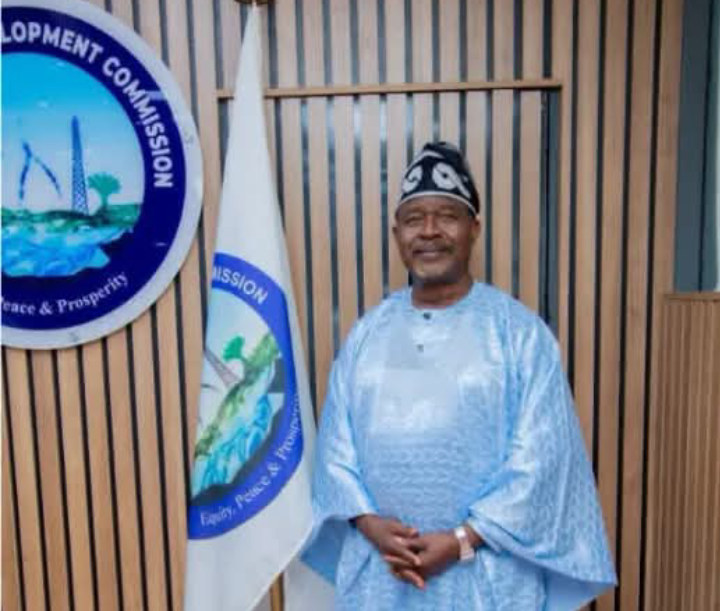
As political conversations ahead of Nigeria’s 2027 general elections gradually gather momentum, the Executive Director of the Niger Delta Development Commission (NDDC) has expressed confidence that President Bola Ahmed Tinubu and the ruling All Progressives Congress (APC) will secure victory at the polls, attributing his optimism to what he described as the administration’s visible achievements, ongoing reforms, and development initiatives across the country.
The remarks add to the growing number of endorsements emerging from senior political figures and government officials as parties begin positioning themselves for the next electoral cycle. While the Independent National Electoral Commission (INEC) has not officially commenced the 2027 election timetable, political alignments and declarations continue to shape public discourse.
Speaking during a public engagement, the NDDC Executive Director argued that President Tinubu’s administration has laid a strong foundation through economic reforms, infrastructure projects, social intervention programmes, and efforts aimed at repositioning Nigeria’s economy despite prevailing challenges.
According to the NDDC official, the administration’s policies are beginning to yield measurable results, particularly in areas such as infrastructure renewal, investment attraction, fiscal reforms, and development initiatives targeted at underserved communities, including the Niger Delta.
He maintained that these efforts would ultimately strengthen public confidence in the APC ahead of the next presidential election.
Confidence Rooted in Ongoing Reforms
The Executive Director noted that although many of the administration’s economic reforms have involved short-term sacrifices, they were designed to create long-term economic stability and sustainable national growth.
He argued that policies implemented by the Tinubu administration including fiscal adjustments, investment-friendly reforms, and infrastructure expansion would continue delivering tangible benefits before Nigerians return to the polls in 2027.
According to him, as more projects are completed and economic indicators improve, voters will increasingly recognize the impact of the administration’s governance agenda.
The official further emphasized that development efforts in the Niger Delta remain a key priority, pointing to various NDDC intervention projects in roads, healthcare, education, water supply, youth empowerment, and community development.
Niger Delta Development Remains Central
The Niger Delta Development Commission has continued to implement projects intended to improve infrastructure and livelihoods across the oil-producing region.
The Executive Director stated that collaboration between the Federal Government and the Commission has enhanced project delivery, enabling communities to benefit from improved public facilities and social investment programmes.
He added that sustained support from the Federal Government has strengthened the Commission’s capacity to execute development initiatives, expressing optimism that continued investment would further accelerate growth across the region.
Observers note that the performance of agencies such as the NDDC often features prominently in political discussions, particularly in the South-South, where infrastructure development and environmental concerns remain central issues for many communities.
Political Landscape Ahead of 2027
Although the 2027 presidential election remains some distance away, political activities have intensified across Nigeria, with parties, stakeholders, and interest groups beginning consultations and strategic positioning.
The APC has consistently defended the Tinubu administration’s economic and governance agenda, arguing that ongoing reforms require time to produce lasting benefits.
Supporters of the administration point to initiatives including major road projects, student loan implementation, tax reform proposals, energy sector reforms, agricultural investments, and efforts to strengthen state revenues as evidence of progress.
However, opposition political parties continue to challenge the government’s performance, raising concerns over inflation, the rising cost of living, unemployment, insecurity, and currency volatility.
These contrasting narratives are expected to shape campaign debates as political parties prepare for the 2027 elections.
Analysts Urge Focus on Performance
Political analysts say endorsements by government officials are common as election cycles approach but stress that electoral outcomes are ultimately determined by voters.
Analysts also argue that public perception of governance, economic performance, security, and service delivery will likely remain among the dominant issues influencing voting decisions.
They note that while political endorsements may energize party supporters, Nigerians will continue evaluating candidates based on their records, policy proposals, and ability to address pressing national challenges.
Experts further observe that successful implementation of ongoing reforms and visible improvements in living conditions could significantly influence political sentiment before the next general election.
Democratic Process Continues
Nigeria’s democratic process allows political parties and public office holders to express support for candidates and policies, provided such activities comply with electoral laws and constitutional provisions.
With more than a year before formal campaign activities are expected to commence under INEC guidelines, political discussions are likely to intensify across the country.
Stakeholders continue to emphasize the importance of issue-based campaigns, peaceful political engagement, and adherence to electoral regulations as preparations for the 2027 elections gradually unfold.
For now, the NDDC Executive Director’s expression of confidence represents another indication that members of the ruling APC remain optimistic about President Tinubu’s prospects for a second term, while opposition parties continue building their own strategies ahead of what is expected to be another closely watched presidential contest.
As Nigeria moves closer to the next electoral cycle, governance performance, economic recovery, security improvements, and the successful delivery of development projects will remain central to public debate. Ultimately, the decision on who occupies the nation’s highest office will rest with Nigerian voters through the ballot box.
Sources
- The Punch
- Vanguard Nigeria
- Premium Times Nigeria
- Channels Television
- The Nation Nigeria
- Daily Trust