Reported by Weng Patrick Atokor | Journalist at Weng Global
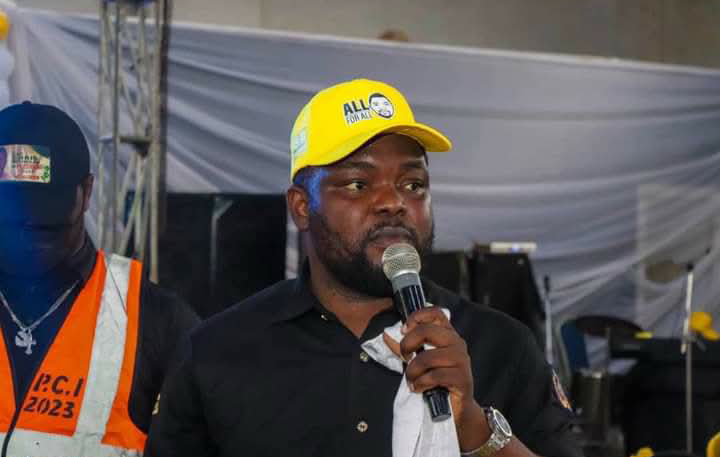
The Federal High Court in Abuja has reserved judgment in a suit filed by businessman, politician, and former presidential aspirant Gbenga Olawepo-Hashim, who is asking the court to affirm him as the legitimate presidential candidate of the Accord Party for Nigeria’s 2027 general election.
The case, which has drawn attention from political observers and legal analysts, is expected to shape the internal dynamics of the Accord Party ahead of preparations for the next electoral cycle. While no date has been announced for the delivery of the judgment, the court indicated that parties would be duly notified once the decision is ready.
The legal dispute centers on the interpretation of the party’s constitution, internal nomination procedures, and the powers of party organs regarding presidential nominations.
Background to the Suit
Gbenga Olawepo-Hashim, a former presidential candidate and prominent figure within Nigeria’s political landscape, approached the Federal High Court following disagreements over the Accord Party’s leadership and the process surrounding its presidential ticket for the 2027 elections.
According to court filings, Olawepo-Hashim is seeking declarations that would recognize him as the valid presidential candidate of the party while challenging actions allegedly taken by some party officials concerning the nomination process.
The plaintiff argues that his rights under the party’s constitution and Nigeria’s electoral laws have been infringed upon and therefore seeks judicial intervention to resolve the dispute before preparations for the 2027 elections gather momentum.
His legal team maintains that the court possesses the constitutional authority to interpret the relevant provisions governing political parties and determine whether due process was followed.
Arguments Before the Court
During the proceedings, counsel representing Olawepo-Hashim urged the court to uphold the claims contained in the originating processes.
The legal team argued that political parties must operate within their constitutions and in accordance with the Electoral Act, insisting that any deviation from established procedures undermines internal democracy.
They submitted that Nigerian courts have consistently held that while political parties enjoy autonomy in managing their affairs, such autonomy is not absolute where constitutional provisions, party rules, or electoral laws have allegedly been violated.
The lawyers therefore requested the court to grant all reliefs sought by the plaintiff.
On the other hand, lawyers representing the defendants opposed the suit, asking the court to dismiss it.
They argued that the claims lack merit and contended that the internal affairs of political parties should not be unnecessarily subjected to judicial interference except where clear violations of the law are established.
The defence further urged the court to uphold the decisions already taken by the party’s relevant organs.
After listening to submissions from all parties, the presiding judge reserved judgment.
Court to Communicate Judgment Date
Rather than delivering an immediate verdict, the court announced that judgment had been reserved.
The judge stated that all parties would receive formal notification once the judgment is ready for delivery.
The decision is expected to provide clarity on issues surrounding the Accord Party’s leadership structure and presidential nomination process ahead of the 2027 elections.
Significance for the Accord Party
The outcome of the case could have far-reaching implications for the Accord Party as it seeks to reposition itself before the next general election.
Although the 2027 presidential election remains some time away, political parties across Nigeria have gradually begun internal consultations, strategic planning, and leadership restructuring.
Political analysts note that unresolved legal disputes can affect party cohesion, campaign planning, fundraising, and public confidence.
Should the court rule in favour of Olawepo-Hashim, it may strengthen his position within the party and influence future political alignments.
Conversely, if the court dismisses the suit, the party leadership may proceed with its existing plans regarding presidential nominations and preparations for the forthcoming elections.
Growing Importance of Internal Party Democracy
Internal democracy has increasingly become a recurring issue in Nigeria’s political system.
Over the years, numerous aspirants across different political parties have approached courts over disputes involving congresses, conventions, delegate selection, candidate substitution, and primary elections.
The judiciary has repeatedly emphasized the need for political parties to strictly comply with their constitutions and the Electoral Act in conducting their affairs.
Legal experts argue that transparent internal processes strengthen democratic institutions by ensuring fairness, accountability, and equal opportunities for party members.
As Nigeria moves closer to another election cycle, observers believe more emphasis will be placed on credible nomination processes capable of reducing post-primary litigation.
Olawepo-Hashim’s Political Journey
Gbenga Olawepo-Hashim has remained active in Nigerian politics for several decades.
He has previously contested for the presidency and has consistently advocated economic reforms, national unity, youth empowerment, industrial development, and improved governance.
Beyond politics, he is widely known as a businessman and public affairs commentator.
His latest legal challenge reflects his determination to secure what he considers his legitimate political rights within the Accord Party.
Supporters argue that the court’s decision will provide certainty regarding the party’s future direction.
Legal Experts Weigh In
Constitutional lawyers observing the proceedings say the judgment could reinforce existing judicial precedents regarding the extent of court intervention in political party affairs.
According to legal analysts, Nigerian courts generally avoid interfering in internal party matters unless allegations involve violations of statutory provisions, constitutional rights, or breaches of the Electoral Act.
They note that each dispute is determined based on its peculiar facts and applicable legal principles.
Should the judgment clarify disputed provisions concerning party nominations, it could serve as a reference point in future electoral litigation.
Political Implications Ahead of 2027
Although the Independent National Electoral Commission (INEC) has yet to commence the official timetable for the 2027 general elections, political activities are gradually intensifying nationwide.
Major and smaller political parties alike are reviewing strategies, recruiting members, and positioning potential candidates.
The resolution of internal legal disputes is expected to become increasingly important as preparations accelerate.
Political observers say early settlement of disagreements allows parties to focus on policy development, coalition building, and voter engagement rather than prolonged litigation.
Awaiting the Verdict
For now, attention shifts to the Federal High Court, whose forthcoming judgment will determine the next phase of the dispute.
Regardless of the outcome, the decision is expected to contribute to Nigeria’s evolving jurisprudence on political party administration and internal democracy.
Stakeholders within the Accord Party, legal practitioners, and political observers will closely monitor the judgment for its implications on both the party’s future and the broader political landscape ahead of the 2027 general elections.
Sources
- Federal High Court
- News Agency of Nigeria (NAN)
- The Nation
- Vanguard Nigeria
- Leadership Newspaper