Reported by Simon Daniel Yusuph l Journalist at Weng Global
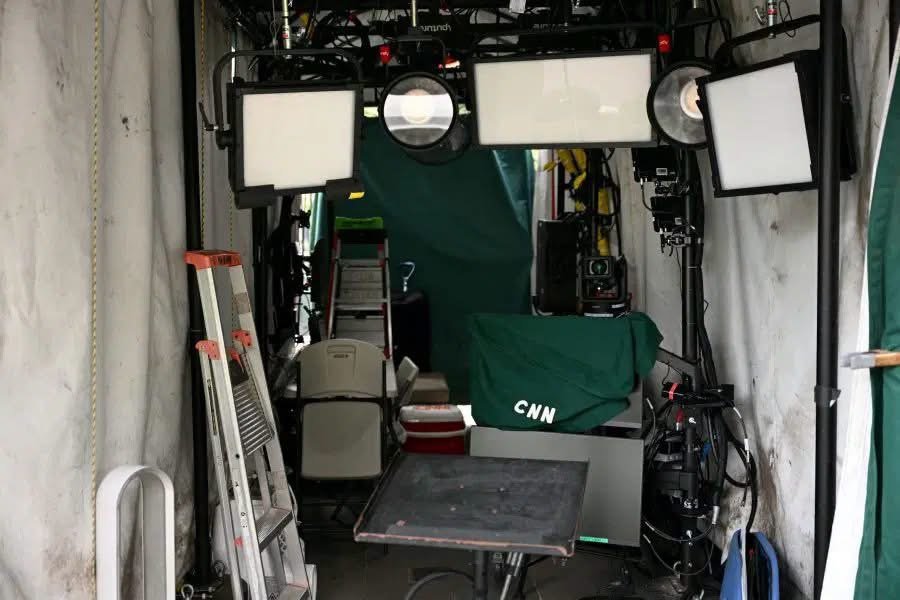
A US federal judge has ordered the White House to restore press access for journalists from CNN, MS NOW and Politico after the Trump administration barred the three news organisations from the presidential complex.
US District Judge Timothy Kelly issued a temporary restraining order early Thursday, September 24, 2026, requiring the administration to immediately return and reinstate the affected journalists’ White House hard-pass credentials.
The order follows a legal challenge filed by CNN, MS NOW and Politico after their reporters lost access to the White House on September 18. The three organisations argued that the administration’s action violated constitutional protections for the press and denied them due process.
Judge Kelly’s order is temporary rather than a final judgment on the broader lawsuit. According to ABC News, the temporary restraining order will remain in effect for 14 days unless the court changes or extends it.
White House ban followed Trump’s criticism of the outlets
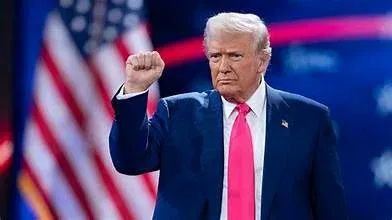
The dispute began when President Donald Trump announced on September 18 that CNN, MS NOW and Politico would no longer have access to the White House.
Trump criticised the organisations’ reporting and described it as “fake news” in a social media post announcing the decision.
The administration subsequently revoked the journalists’ hard passes, preventing reporters from entering the White House complex to cover the president and his administration.
The three organisations responded by filing a lawsuit in federal court in Washington, arguing that the decision was unconstitutional and improperly targeted news organisations because of their reporting.
The case, known as Cable News Networks, Inc. v. Trump, placed questions about press access, executive authority and constitutional protections at the centre of the dispute.
Judge cites due-process concerns
A central issue before Judge Kelly was whether the administration followed the required legal process before taking away the reporters’ credentials.
In his ruling, Kelly pointed to established legal precedent requiring journalists to receive notice and an opportunity to respond before the government removes certain press-access privileges.
The judge concluded that the journalists had not been given constitutionally adequate due process before their credentials were revoked.
Reuters reported that Kelly found the ban was likely unconstitutional, while ABC News said the order specifically required the immediate restoration of the affected hard passes.
The ruling does not mean the underlying lawsuit has been finally decided. Instead, the temporary order preserves access while the court considers the broader legal dispute.
Administration defended ban on national security grounds
The Trump administration defended its decision in court, arguing that the president has broad authority over access to the White House.
Justice Department lawyers also argued that the administration had legitimate national security concerns relating to reporting by the three outlets.
According to reporting from Al Jazeera, the White House had accused CNN, MS NOW and Politico of publishing information it considered sensitive or classified and of reporting what officials described as false information concerning national security and other issues.
The administration also argued that access to the White House is a privilege rather than an unrestricted right.
Those arguments were challenged by the news organisations, which maintained that the restrictions were connected to the content of their reporting.
The dispute therefore involves two competing questions: the extent of presidential authority to control access to the White House and the constitutional protections that apply when government officials restrict journalists from covering public officials.
First Amendment arguments at centre of lawsuit
CNN, MS NOW and Politico argued that the ban violated their rights under the First Amendment, which protects freedom of speech and freedom of the press.
They also raised due-process arguments under the Fifth Amendment, challenging the way their journalists’ credentials were removed without prior notice and an opportunity to contest the decision.
The administration has disputed the outlets’ legal interpretation and defended its authority to regulate access to the White House.
Judge Kelly’s decision focused significantly on the procedural question of whether the reporters were given a proper opportunity to respond before losing their credentials.
CBS News reported that Kelly referred during the hearing to previous court decisions involving White House press access, including Sherrill v. Knight and Karem v. Trump. Those cases addressed the government’s obligations when restricting or revoking press credentials.
Kelly previously ordered restoration of CNN access
The judge handling the current dispute is not unfamiliar with White House press-access litigation.
During Trump’s first presidency, Kelly ordered the restoration of CNN correspondent Jim Acosta’s White House press credentials in 2018 after the administration revoked them.
The earlier case involved a dispute over Acosta’s access following a confrontation during a White House news conference.
The latest case has therefore brought Kelly back into another legal dispute involving White House access for journalists.
The administration’s position in the current case is that previous decisions governing press access should be reconsidered, while the news organisations argue that existing constitutional protections prevent the government from excluding journalists arbitrarily or because of disagreement with their reporting.
The temporary order does not settle the wider dispute
Although the ruling restores access for the moment, it does not represent a final decision on all the issues raised by the lawsuit.
Temporary restraining orders are generally intended to preserve the situation while a court examines the underlying claims.
ABC News reported that Kelly’s order is scheduled to remain in effect for 14 days unless the court takes further action.
During that period, the court could consider additional arguments from both sides, potentially leading to further orders as the case proceeds.
The administration could also pursue an appeal or other legal remedies.
As a result, Thursday’s ruling should be understood as an interim judicial decision rather than the conclusion of the dispute between the White House and the three news organisations.
Dispute highlights wider debate over presidential press access
The case has attracted attention beyond the three organisations because of its implications for the relationship between the US government and the news media.
The White House is a central location for reporting on presidential decisions, national security policy, foreign relations, domestic policy and other issues affecting millions of Americans and people around the world.
Press access therefore has consequences beyond individual journalists. Restrictions can affect how news organisations gather information, question government officials and provide direct coverage of presidential activities.
At the same time, administrations have historically maintained rules governing access to restricted government facilities, including requirements concerning security, credentials and conduct.
The legal question in the current case is not simply whether the White House can establish rules for press access. It also concerns whether those rules can be applied in a way that complies with constitutional protections and established legal procedures.
Other media organisations have followed the dispute
The controversy has also affected broader White House media operations.
Following the ban, other news organisations and press groups expressed concern about the precedent created by excluding particular outlets.
Al Jazeera reported that an amicus brief submitted by other news organisations urged the court to restore access, arguing that excluding media organisations from White House grounds based on their reporting could harm the public interest.
The dispute also affected television coverage of the president’s activities. Axios reported that the White House television press pool decided not to provide its usual pooled television coverage of Trump’s trip to the United Nations General Assembly after the CNN, MS NOW and Politico ban.
That development illustrated how a dispute involving three individual outlets could have wider effects on the traditional system through which television networks share coverage of presidential events.
Why the ruling matters
The ruling matters because it places constitutional and procedural limits at the centre of a dispute over access to one of the world’s most closely watched government institutions.
For the news organisations, the immediate consequence is the restoration of access for their journalists.
For the administration, the ruling represents a judicial challenge to the process it used to remove the reporters’ credentials.
For the public, the case raises questions about how government institutions should balance security and access requirements with the role of independent journalism in scrutinising elected officials.
The court has not yet issued a final ruling resolving every issue raised by the lawsuit. The temporary order therefore leaves the larger constitutional dispute open.
What happens next
CNN, MS NOW and Politico are expected to regain access to the White House under the temporary restraining order.
The broader lawsuit will continue unless the parties reach an agreement or another court order changes the situation.
The Trump administration may seek further judicial review of the decision, while the three media organisations are expected to continue pursuing their constitutional claims.
The next significant stage will be further consideration by the federal court of the administration’s authority to restrict press access and whether the ban complied with constitutional requirements.
For now, Judge Kelly’s order means the three news organisations’ White House press access must be restored while the legal battle continues.
Weng Global – stories beyond borders
Source
- Reuters — Report on the federal judge’s order restoring White House access to CNN, MS NOW and Politico.
- ABC News — Report on Judge Timothy Kelly’s temporary restraining order and restoration of hard-pass credentials.
- Associated Press — Coverage of the White House media-access dispute and the court proceedings.
- CBS News — Reporting on the lawsuit, due-process arguments and Judge Kelly’s hearing.
- Al Jazeera — Coverage of the administration’s defence of the media ban and the constitutional arguments.
- Axios — Reporting on the wider impact of the dispute on White House press-pool coverage.