Reported by Simon Daniel Yusuph l Journalist at Weng Global
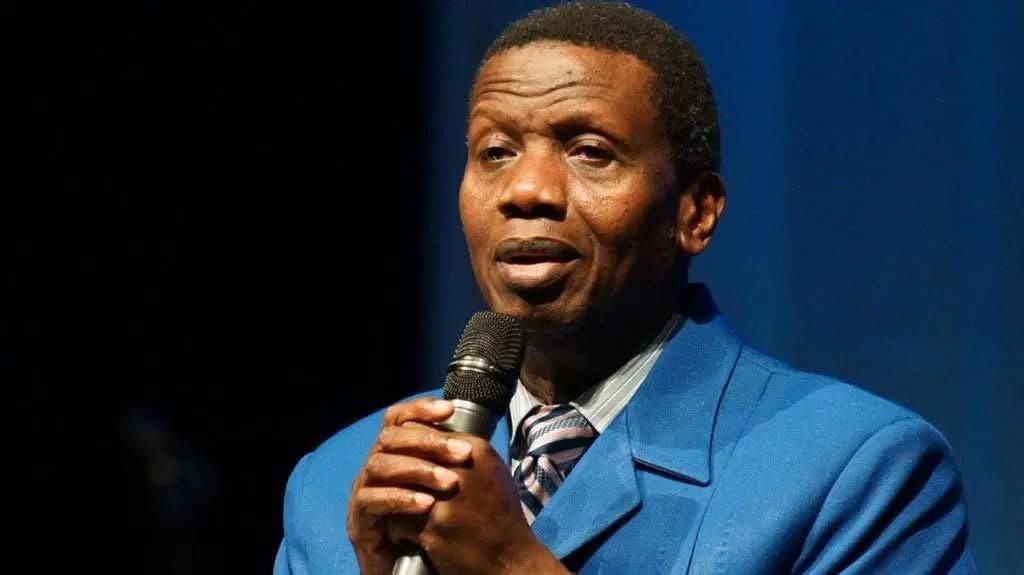
The Chairman of the Economic and Financial Crimes Commission (EFCC), Ola Olukoyede, has disclosed how the General Overseer of the Redeemed Christian Church of God (RCCG), Pastor Enoch Adejare Adeboye, directed church officials to return billions of naira traced to the proceeds of financial crimes within 24 hours after the anti-graft agency alerted him to the source of the funds.
Olukoyede said the money had been donated by an individual towards projects belonging to the church before investigations by the EFCC established that the funds originated from alleged financial crimes.
According to the EFCC chairman, Adeboye immediately instructed church officials to return the entire amount after being informed of the commission’s findings, insisting that the church should not retain money associated with criminal activities.
The disclosure was made on Saturday, November 7, 2026, while Olukoyede addressed church workers and ministers at the Redemption City of God in Simawa, Ogun State.
The engagement focused on ethical standards, financial accountability and the responsibility of religious institutions to prevent corruption and questionable financial practices within their organisations.
Olukoyede’s account has drawn attention to the importance of financial transparency in religious institutions, particularly in situations where churches receive substantial donations from individuals whose sources of wealth may not have been properly established.
How the EFCC Discovered the Funds Linked to RCCG Projects
Recounting the incident, Olukoyede explained that the commission was investigating an individual whose financial transactions involved tens of billions of naira.
During the investigation, the EFCC discovered that some of the funds associated with the individual’s alleged financial activities had been traced to projects connected to the Redeemed Christian Church of God.
The commission subsequently contacted Adeboye to inform him about its findings and explain the circumstances surrounding the money received by the church.
Olukoyede said he personally approached the RCCG General Overseer to communicate the investigation’s findings.
According to his account, Adeboye reacted angrily after learning that funds connected to suspected financial crimes had entered the church’s financial system.
The EFCC chairman recalled that the cleric immediately summoned some pastors and instructed them to return the money within 24 hours.
Olukoyede recounted Adeboye’s directive, saying:
“I give you 24 hours. Everything you have traced to RCCG from this particular person who has been indicted, return it within the next 24 hours.”
The EFCC chairman said the money was subsequently returned to government coffers.
He commended Adeboye’s response, describing it as an example of the importance of integrity and refusing to associate religious institutions with proceeds of criminal activities.
However, Olukoyede did not disclose the identity of the individual involved, the specific RCCG projects that received the donations or the exact amount returned.
The commission’s chairman also did not provide further details about the underlying financial investigation or the legal status of the individual.
Consequently, the precise circumstances of the alleged financial crimes and the transactions involved remain undisclosed publicly.
Olukoyede Praises Adeboye’s Response to the Financial Investigation
While addressing the church workers, Olukoyede praised Adeboye for what he described as his swift response after the EFCC brought the matter to his attention.
He used the incident to illustrate the importance of religious leaders maintaining clear ethical boundaries when dealing with individuals whose wealth may be connected to questionable financial activities.
The EFCC chairman contrasted Adeboye’s response with another case involving an unnamed large church, where he alleged that the leadership initially resisted the commission’s intervention over funds connected to a questionable investment scheme.
According to Olukoyede, the other institution’s leadership initially attempted to defend the situation before eventually agreeing to return a substantial amount after the EFCC threatened legal action.
He did not identify the church or provide sufficient details to independently establish the circumstances of that separate case.
The comparison formed part of his broader warning that religious institutions should not allow their influence, reputation or spiritual responsibilities to become a means of legitimising proceeds of crime.
Olukoyede stressed that the fight against financial crimes should apply to everyone, irrespective of religious affiliation, social standing or position within an organisation.
His remarks also highlighted the responsibility of religious leaders to ensure that the financial resources supporting their activities come from legitimate sources.
EFCC Warns Churches Against Accepting Suspicious Donations
Beyond recounting the RCCG incident, Olukoyede expressed concern about financial misconduct within religious organisations.
He warned pastors and church workers against accepting substantial donations without making reasonable efforts to establish the sources of the money.
According to the EFCC chairman, religious institutions must recognise that donations and financial contributions can expose them to legal and reputational risks when they originate from criminal activities.
He also raised concerns about questionable financial practices involving church projects, including allegations of irregularities surrounding contracts.
The warning is particularly relevant to religious organisations that receive substantial contributions from wealthy individuals and businesses.
Although donations are an important source of funding for many religious institutions, Olukoyede’s position was that the religious purpose of a contribution does not automatically make its source legitimate.
Church leaders therefore have a responsibility to exercise due diligence before accepting significant financial contributions.
This includes maintaining appropriate financial records, understanding the identity of major donors and taking reasonable steps to establish the legitimacy of funds received.
The EFCC chairman also warned against the promotion of individuals whose wealth may be connected to questionable financial activities.
He cautioned religious leaders against using their platforms to celebrate material wealth without considering how such wealth was acquired.
EFCC Chairman Recalls Detention of Senior RCCG Pastor
Olukoyede also recounted what he described as one of the most difficult moments of his time at the anti-graft commission: authorising the detention of a senior pastor within the RCCG over alleged financial crimes.
The EFCC chairman explained that the pastor was investigated over activities connected to his secular place of employment rather than his responsibilities within the church.
He maintained that the individual’s position within the religious organisation could not prevent the commission from carrying out its statutory responsibilities.
According to Olukoyede, the decision was necessary because the allegations involved financial activities outside the person’s church duties.
He said the experience reinforced the importance of separating religious status from accountability under the law.
The disclosure also served as a reminder that religious leadership does not provide immunity from investigation or prosecution where credible evidence of financial wrongdoing exists.
However, the specific identity of the pastor and further details about the investigation were not disclosed in the reports of Olukoyede’s address.
Adeboye Reaffirms RCCG’s Position Against Financial Misconduct
Responding to the EFCC chairman’s concerns, Adeboye reportedly assured Olukoyede that the Redeemed Christian Church of God would not protect individuals found to be involved in financial wrongdoing.
He also urged pastors within the organisation to maintain transparent financial records and ensure that their activities remained free from corruption.
The response reinforced the church’s stated position that individuals should not be shielded from accountability because of their religious positions or relationships within the organisation.
Adeboye’s reported directive concerning the return of the disputed donation also placed emphasis on the importance of addressing questionable financial transactions once they are identified.
Nevertheless, the broader challenge for religious organisations is ensuring that financial accountability extends beyond individual decisions and becomes part of their regular administrative and financial management systems.
Why the EFCC’s Warning Matters to Religious Institutions in Nigeria
The development raises important questions about financial accountability within Nigeria’s religious sector.
Churches, mosques and other religious organisations frequently receive donations from members, businesspeople, corporate organisations and other supporters.
These contributions often finance infrastructure, humanitarian programmes, educational initiatives, worship centres and other institutional activities.
However, the acceptance of substantial donations without adequate scrutiny can expose religious organisations to the risk of receiving funds connected to fraud, corruption, money laundering and other financial crimes.
Nigeria’s financial crime challenges have made the question of the legitimate source of funds increasingly important for organisations handling large financial contributions.
Under the country’s anti-money laundering framework, financial activities and transactions connected to suspected criminal proceeds can attract regulatory scrutiny and potential legal consequences.
Religious organisations should therefore approach financial management with the same seriousness expected of other institutions entrusted with substantial resources.
This does not mean that every large donation is suspicious or that religious organisations should discourage legitimate generosity.
Rather, it highlights the need for proper documentation, transparent financial procedures and appropriate checks when receiving significant contributions.
For religious leaders, the responsibility extends beyond preaching ethical conduct. Their administrative decisions and financial management practices must also reflect the principles of accountability they encourage among their followers.
Financial Transparency and Public Trust
Religious institutions occupy an influential position in Nigerian society.
Millions of Nigerians depend on religious organisations for spiritual guidance, humanitarian assistance, educational support and community development.
Their influence also means that allegations of financial misconduct can have consequences beyond the institutions directly involved.
When religious organisations are associated with questionable financial transactions, public confidence in their leadership and activities can suffer.
Conversely, transparent financial management can strengthen institutional credibility and reassure members that their contributions are being handled responsibly.
Olukoyede’s disclosure about the RCCG donation highlights the importance of ensuring that religious institutions do not become unintended recipients or channels for funds connected to criminal activities.
It also demonstrates why financial accountability should apply equally to religious leaders, wealthy donors, church workers and other individuals involved in institutional financial decisions.
For the EFCC, the challenge remains enforcing financial crime laws without discrimination while ensuring that investigations are supported by evidence and due legal process.
What Happens Next?
Olukoyede’s remarks have renewed attention on the relationship between religious institutions and Nigeria’s efforts to combat financial crimes.
The EFCC has reiterated the importance of accountability regardless of an individual’s religious affiliation or social position.
However, several details surrounding the RCCG donation remain undisclosed, including the donor’s identity, the exact amount involved, the particular projects that received the money and the financial crime investigation connected to the funds.
The public disclosure also does not establish whether the individual involved has been convicted of any offence.
Those details would be necessary to provide a fuller understanding of the investigation and its legal implications.
For religious organisations, the immediate lesson from the EFCC chairman’s account is the importance of strengthening financial controls, documenting donations and verifying the sources of substantial contributions.
The episode also places responsibility on religious leaders to ensure that the pursuit of institutional growth does not override ethical standards.
Ultimately, the disclosure highlights a broader principle: religious institutions must not allow their spiritual influence or charitable activities to become a justification for retaining money linked to criminal activities.
As Nigeria continues to confront financial crimes, transparency and accountability remain essential to protecting public institutions, businesses and religious organisations from the consequences of illicit wealth.
WENG GLOBAL — Stories beyond borders
Sources
- Economic and Financial Crimes Commission (EFCC) – Remarks by Chairman Ola Olukoyede.
- Vanguard – Reporting by Olayinka Latona on the EFCC chairman’s disclosure, November 7, 2026.
- Punch Newspapers – Report on Adeboye’s directive to return billions in suspected illicit donations, November 7, 2026.
- Blueprint Newspapers – Coverage of the EFCC chairman’s account of the RCCG donation.