Delta Special-Needs Outreach Expands Grassroots Healthcare as You Matter Foundation Delivers Wheelchairs and Support to Families!
The You Matter Charity Foundation, founded by Deaconess Tobore Oborevwori, wife of Delta State Governor Sheriff Oborevwori, has expanded its intervention for children living with autism and other special needs, bringing free medical services, assistive equipment and welfare support closer to vulnerable families across Delta State.
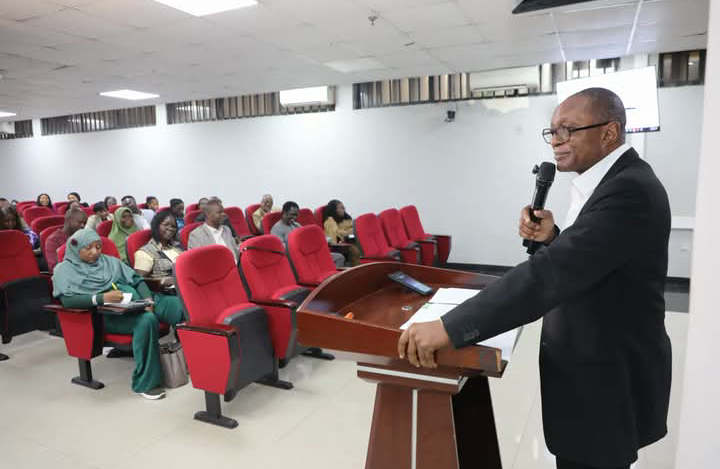
The latest phase of the initiative was held on July 16, 2026, at Osubi Secondary School in the Okpe/Sapele/Uvwie Federal Constituency, where beneficiaries received medical consultations, essential medications, mobility aids and educational support materials. Reports by The Nation, Vanguard and The Guardian among other Nigerian media organisations have highlighted the foundation’s continuing effort to improve access to healthcare and support for children with developmental conditions. (The Nation)
While the original report circulating publicly refers to 21 wheelchairs and beneficiaries drawn from Burutu Federal Constituency, available reports on the July 16 outreach consistently record 30 wheelchairs distributed at Osubi. Wengglobal therefore uses the independently corroborated figure of 30 in this report rather than repeating an unverified number.
The latest intervention is part of a wider programme designed to address healthcare access, social exclusion and the financial burden faced by families caring for children with special needs.
Outreach takes healthcare closer to vulnerable families
The You Matter Charity Foundation organised the latest outreach in collaboration with the Delta State Ministry of Health, extending its programme from a broader senatorial-district approach to the federal-constituency level.
Deaconess Oborevwori said the expansion was informed by the difficulties many families experience in accessing specialised support. Among the barriers identified were distance, inadequate awareness and financial constraints.
The approach is significant in a state where communities are geographically diverse and where access to specialist healthcare can be particularly difficult for families living outside major urban centres.
Rather than requiring vulnerable households to travel long distances for basic medical consultations and support, the outreach model takes services directly into communities.
At Osubi, the intervention included free medical consultations, health education, medications, 30 wheelchairs, 120 bags of rice, three smart boards, physiotherapy toys, educational devices and other assistive materials, according to reports by The Nation and Vanguard. (The Nation)
The combination of medical, nutritional, educational and mobility assistance reflects a broader understanding of the needs of children living with developmental conditions.
Beyond treatment: tackling stigma around special needs
One of the central messages from the programme was the need to challenge stigma surrounding autism and other developmental conditions.
Medical professionals who participated in the outreach educated parents and caregivers on autism spectrum disorder and related conditions, stressing the importance of early diagnosis, consistent healthcare, appropriate nutrition, social therapy and inclusive education.
The intervention also reinforced the message that autism is not a contagious condition and should not be treated as a source of shame or social exclusion.
The You Matter Charity Foundation has made this issue a recurring part of its public advocacy.
When the foundation launched its first free medical outreach for children with special needs in Ughelli in November 2025, Oborevwori similarly called on parents to stop hiding children with disabilities and urged families to seek professional support rather than allow stigma and misinformation to prevent children from receiving care. The foundation’s own account of that programme also emphasised dignity, visibility and inclusion. (ymcfoundation.org)
That earlier outreach included free medication, wheelchairs and assistive and educational devices, establishing a pattern that has continued through subsequent phases of the programme.
Wheelchairs as practical tools for independence
The distribution of wheelchairs is particularly important because mobility is a fundamental component of independence and participation in education and community life for people with physical disabilities or mobility limitations.
A wheelchair can make it easier for a child to attend school, participate in family activities, access healthcare and interact with the wider community.
However, disability advocates and health professionals have consistently emphasised that assistive devices are most effective when accompanied by appropriate assessment, fitting, maintenance, rehabilitation and caregiver support.
The You Matter Foundation’s outreach combines mobility assistance with medical consultations, physiotherapy-related materials and educational resources, creating a more comprehensive support package.
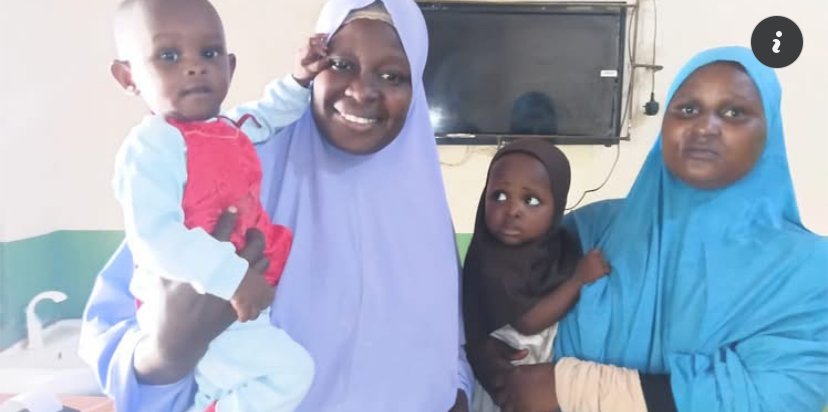
At the July event, Mrs. Amara Ejofodomi, a parent of an autistic child who received a wheelchair, expressed appreciation for the intervention and the decision to bring services directly to vulnerable families. (Vanguard News)
Her experience illustrates one of the programme’s broader objectives: reducing the practical and financial barriers that can prevent families from obtaining basic support.
Medical experts emphasise early intervention
Healthcare professionals at the outreach used the opportunity to provide guidance to parents and caregivers.
Paediatricians Dr. Angela Bolum-Okolie and Dr. Okeroghene Mudiaga-Erhueh stressed the importance of early diagnosis and regular medical attention for children with autism and other developmental conditions.
They also encouraged families to focus on nutritious feeding, social therapy and inclusive education.
Such interventions are important because developmental conditions can require long-term support rather than one-time treatment.
Early identification can enable families to understand a child’s needs and seek appropriate educational, therapeutic and medical interventions. Equally important is the ability of communities and institutions to create environments where children with disabilities can participate without discrimination.
The emphasis on education is particularly significant. Access to learning can influence a child’s long-term independence, social development and economic opportunities.
Foundation builds on earlier statewide intervention
The July outreach did not emerge in isolation.
In November 2025, the You Matter Charity Foundation launched a free medical programme in Ughelli, Delta Central, in partnership with the Delta State Ministry of Health and the Delta State Primary Health Care Development Agency.
That programme provided medical check-ups, nutrition counselling, disability-support services, medications, wheelchairs and other assistive and educational devices. The Nation, BusinessDay and Vanguard were among the outlets that reported the intervention. (The Nation)
In February 2026, the programme was subsequently extended to Delta South, where a free medical outreach was held at Dom Domingos College in Warri.
The News Agency of Nigeria reported that the Delta South programme included free consultations and treatment, autism-awareness sessions, information on social acceptance and the distribution of wheelchairs, medications and assistive materials. (quicknews-africa.net)
The foundation has said the broader programme is intended to cover Delta State’s three senatorial districts.
The progression from a senatorial-district model to a federal-constituency approach suggests an attempt to bring interventions closer to communities and identify families who may otherwise remain outside formal support networks.
Government and community partnerships remain important
The collaboration between the You Matter Charity Foundation and the Delta State Ministry of Health is also significant.
Healthcare interventions for children with special needs require sustained coordination among government agencies, medical professionals, families, schools, civil society organisations and philanthropic groups.
The July programme attracted government officials and community representatives, including Delta State Commissioner for Secondary Education Dr. Kingsley Ashibogwu, who commended the initiative and encouraged individuals, corporate organisations and philanthropists to support programmes targeting vulnerable children. (Independent Newspaper Nigeria)
The participation of local authorities can also help ensure that support reaches communities beyond the immediate beneficiaries of a single event.
For charitable interventions to have lasting impact, however, one-off distributions need to be complemented by continuing healthcare access, rehabilitation services, inclusive education and social protection.
Disability inclusion requires sustained policy attention
The outreach comes against a wider national conversation about disability rights and inclusion.
People living with disabilities in Nigeria continue to face challenges involving access to healthcare, education, transportation, employment and public infrastructure.
In Delta State, the state has also taken legislative steps towards disability inclusion. A disability-related law signed in December 2024 has been discussed as part of the state’s efforts to strengthen protections and improve accessibility for persons with disabilities. (Niger Delta Today)
Such policy measures are important because charitable interventions, while valuable, cannot substitute for sustainable public systems.
Government agencies have a responsibility to ensure that healthcare facilities, schools and public spaces are accessible, while social policies should help families facing additional costs associated with disability.
The role of foundations such as You Matter is therefore best viewed as complementary: identifying gaps, providing immediate assistance, raising awareness and helping communities engage with the wider healthcare and social-support system.
A broader call for inclusion
The You Matter Foundation’s intervention also highlights the importance of changing how society discusses autism and disability.
Oborevwori has repeatedly called for greater acceptance and urged families not to isolate children with special needs.
The foundation’s November 2025 statement described autism as a condition that should be approached through understanding, compassion and professional care rather than stigma or misinformation. (ymcfoundation.org)
That message remains relevant beyond Delta State.
For many families, the first barrier may not necessarily be the absence of a medical professional. It may be fear of public judgement, misinformation or the belief that a child’s condition should be concealed.
Changing those attitudes requires sustained public education.
Schools, religious institutions, traditional leaders, healthcare workers, community organisations and the media all have roles to play in creating an environment where children with special needs are recognised as members of society with rights, abilities and potential.
From charitable assistance to long-term inclusion
The latest outreach demonstrates the immediate value of targeted humanitarian intervention, particularly for families that struggle to afford medical care and assistive equipment.
But its longer-term significance lies in whether such initiatives contribute to a culture of inclusion.
The provision of wheelchairs and educational devices can address immediate needs. Medical consultations can identify conditions requiring further attention. Health education can improve caregivers’ understanding. Yet sustained outcomes will depend on what happens after the outreach.
Families need continued access to healthcare professionals, rehabilitation services, schools and assistive technology.
Children living with special needs also need communities that accommodate rather than exclude them.
For the You Matter Charity Foundation, the expansion of its outreach across Delta State represents a continuing effort to address those challenges at community level.
For government and other stakeholders, the programme offers another reminder that disability inclusion is not solely a charitable concern. It is a public-health, education, human-rights and social-development issue.
As Delta State continues to expand healthcare and social interventions, the success of initiatives targeting children with special needs will ultimately be measured not only by the number of wheelchairs distributed or consultations conducted, but by whether beneficiaries gain sustained access to education, healthcare, mobility, dignity and meaningful participation in society.
The July 16 outreach at Osubi has therefore added another chapter to an evolving programme. With 30 wheelchairs and other forms of assistance reportedly delivered, the immediate beneficiaries have received practical support.
The larger challenge remains ensuring that the momentum is sustained and that children living with special needs across Delta State are not left behind when the outreach teams leave their communities.
Sources
- The Nation — Oborevwori’s wife expands autism outreach, takes free Medicare to grassroots, July 17, 2026. (The Nation)
- Vanguard — Delta First Lady intensifies support for children with autism, July 17, 2026. (Vanguard News)
- Independent Nigeria — Deaconess Oborevwori Touches More Lives With Second Phase Of Free Medical Outreach In Okpe/Sapele/Uvwie Federal Constituency, July 17, 2026. (Independent Newspaper Nigeria)
- News Agency of Nigeria (NAN) — Oborevwori launches medical outreach for children with special needs, February 11, 2026. (quicknews-africa.net)
- BusinessDay — Oborevwori’s wife reaches out to children with special needs, caregivers in Delta Central. (BusinessDay)
- You Matter Charity Foundation — You Matter Charity Foundation Launches Free Medical Outreach for Children with Special Needs in Delta State. (ymcfoundation.org)