First US Deportees Arrive in Liberia as Washington Begins Transfer of Up to 1,200 Migrants!
MONROVIA, Liberia — The first group of migrants deported from the United States under a new third-country migration agreement with Liberia has arrived in the West African nation, marking the beginning of a programme that could see as many as 1,200 foreign nationals transferred to Liberia over the next 12 months.
The initial group of 20 deportees arrived in Liberia on Thursday, August 20, as part of the administration of US President Donald Trump’s expanding immigration enforcement strategy. The agreement places Liberia among a growing number of African countries that have accepted, or agreed to accept, migrants whom Washington says it cannot readily return to their countries of origin.
According to Reuters, the first deportation flight landed in Monrovia at about 12:45 p.m. local time after departing from Louisiana in the United States and making a stop in Dakar, Senegal. Liberia’s Information Minister, Jerolinmek Piah, confirmed that most of the deportees are from Latin American countries, including Venezuela, Cuba and Colombia. (Reuters)
The arrival represents a significant development in the Trump administration’s effort to broaden the geographical scope of US deportations. Rather than returning certain migrants directly to their countries of nationality, Washington has increasingly negotiated arrangements with third countries willing to receive them.
Liberia Begins Receiving Third-Country Deportees
Liberia announced earlier this week that it had agreed to accept as many as 1,200 third-country deportees from the United States during the coming year.
The Liberian government initially said the programme would involve nationals from African and Western Hemisphere countries who had been medically cleared for travel. Officials did not immediately disclose the nationalities of the first arrivals, although subsequent information from Liberia’s information minister indicated that most of those on the programme are Latin American nationals. (Reuters)
The first 20 arrivals constitute only a fraction of the potential number of people covered by the agreement. If implemented fully, the arrangement could make Liberia one of the most significant destinations in Africa for migrants removed from the United States under Washington’s third-country deportation policy.
The Associated Press reported that the Liberian government has described the people being transferred as guests rather than conventional immigrants or prisoners. Officials have said they will be permitted to leave Liberia if they choose and will have the option of seeking asylum in the country. (AP News)
Liberian authorities have also said that those being transferred have undergone screening before their arrival. Justice Minister Natu Oswald Tweh said most of the people on the list had immigration violations or offences, while officials have stressed that the programme is being implemented within Liberia’s legal and humanitarian framework. (wrur.org)
Washington Expands Third-Country Deportation Strategy
The Liberia agreement forms part of a wider US immigration policy under President Trump that seeks to remove migrants who cannot easily be returned directly to their countries of origin.
In some cases, migrants facing deportation have received protection from US immigration courts because judges determined that returning them to their home countries could expose them to torture, persecution or other serious forms of harm.
Third-country agreements provide Washington with an alternative route for removing such individuals. Instead of returning them to the country from which they originally fled, the United States transfers them to another country that agrees to receive them.
Reuters reported that similar arrangements have been reached with several African nations, including the Democratic Republic of Congo, Central African Republic, Equatorial Guinea, Cameroon, Ghana and Sierra Leone. (Reuters)
The policy has become a major component of the Trump administration’s broader immigration crackdown, with Washington arguing that third-country transfers are lawful and necessary to enforce immigration decisions.
However, immigration lawyers and human rights advocates have questioned the transparency and humanitarian implications of the arrangements. Critics argue that transferring people to countries where they may have no previous connection could create a new pathway toward eventual repatriation to countries from which they were originally protected.
Liberia Defends Humanitarian Rationale
For Monrovia, the agreement has been presented primarily as a humanitarian arrangement rather than a commercial or political transaction.
Information Minister Jerolinmek Piah has said Liberia did not demand compensation in exchange for accepting the deportees. However, the Liberian government acknowledged that the United States would provide support to help manage the programme and strengthen the country’s migration system.
The United States has allocated $5 million to Liberia this year for migration-management activities, according to Reuters. (Reuters)
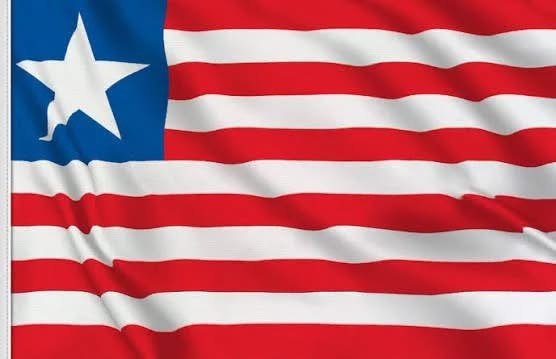
Liberian authorities have linked the arrangement to the country’s historical identity as a destination for people fleeing conflict and persecution. Liberia was established in the 19th century by freed African Americans, and its government has invoked that history in explaining its willingness to participate in the programme.
The government has also said the deportees will receive assistance and that those who require international protection will have the opportunity to pursue asylum in Liberia.
The position reflects Monrovia’s attempt to distinguish the programme from a conventional deportation detention arrangement, while emphasizing its sovereignty over immigration and asylum matters.
Human Rights Concerns Remain
Despite the Liberian government’s assurances, the agreement has generated scrutiny from immigration advocates and human rights groups.
A central concern is whether third-country deportation arrangements adequately protect migrants who have already received legal protection against being returned to their countries of origin.
The Associated Press reported that advocates have argued such agreements can create a legal pathway through which people are eventually pressured or compelled to return to countries where they could face persecution, torture or other abuses. (AP News)
The issue is particularly sensitive because some migrants transferred under third-country arrangements may have never previously lived in, worked in or established meaningful connections to the countries receiving them.
The Liberian government has sought to address such concerns by emphasizing that the people arriving under the agreement are free to leave and may apply for asylum.
Nevertheless, questions remain over how the programme will operate in practice, including the duration of stay, access to legal representation, asylum procedures, accommodation, employment opportunities and the circumstances under which migrants could eventually leave Liberia.
The Kilmar Abrego Garcia Dimension
The Liberia agreement has also attracted attention because of the separate case of Kilmar Abrego Garcia, a Salvadoran migrant whose deportation has become a major legal and political issue in the United States.
Abrego Garcia has obtained an injunction preventing his removal to Liberia, according to his lawyer, while the US government has appealed the order. Reuters reported that the legal dispute remains ongoing. (Reuters)
His case illustrates the broader legal questions surrounding third-country deportations, particularly where an individual has established a claim that removal to a particular country could expose them to unacceptable risks.
The case is being closely watched because it could help shape the legal boundaries of Washington’s broader third-country deportation strategy.
What the Liberia Deal Means for Africa
Liberia’s participation underscores the growing role African countries are playing in the United States’ immigration strategy.
For African governments, such agreements can potentially provide diplomatic benefits, technical assistance and financial support for migration systems. However, they can also create significant administrative, legal and humanitarian responsibilities.
The experience of Liberia will therefore be closely monitored by other governments considering similar arrangements with Washington.
The programme could also place additional demands on Liberia’s immigration authorities, asylum institutions and humanitarian agencies, particularly if the number of deportees increases substantially over the coming months.
Reuters reported that the International Organization for Migration and the United Nations refugee agency are expected to assist with services for the deportees, as has occurred in similar programmes elsewhere in Africa. (Reuters)
For the United States, the arrangement offers another mechanism for carrying out deportations as the Trump administration seeks to increase removals. For Liberia, it represents a delicate balancing act between humanitarian commitments, national sovereignty, diplomatic relations and the practical realities of accommodating foreign nationals.
The arrival of the first 20 deportees therefore marks more than the beginning of a bilateral migration programme. It is an early test of how third-country deportation policies will function when implemented on African soil.
As Washington continues to pursue agreements with countries beyond migrants’ homelands, Liberia’s handling of the first arrivals could become an important reference point in the wider debate over the legality, effectiveness and humanitarian consequences of third-country deportations.
For now, the immediate challenge for Monrovia is to ensure that the people transferred under the agreement are treated in accordance with its stated commitments, while maintaining transparent procedures for asylum, departure and protection.
The coming months will reveal whether the Liberia arrangement becomes a sustainable model for US migration cooperation with African states or another source of legal and humanitarian controversy surrounding the Trump administration’s increasingly expansive deportation policy.
Sources
- Reuters — Venezuelans and Cubans among deportees to Liberia under Trump deal
- Reuters — Liberia agrees to accept up to 1,200 third-country deportees
- Associated Press — US sends 20 deportees to Liberia under 1,200-migrant agreement
- NPR / Associated Press — Liberia agrees to take 1,200 third-country deportees
- BBC — Liberia agrees to accept 1,200 foreign deportees from the US
SEO