Reported by Simon yusuph,| Journalist at wengglobal
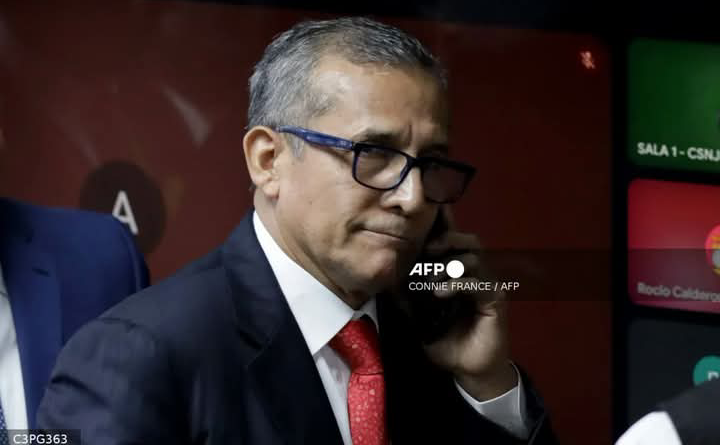
Former Peruvian President Ollanta Humala has been released from prison after Peru’s judiciary overturned his 15-year corruption conviction, marking a dramatic development in one of the country’s most closely watched political and legal cases. The ruling has reignited debate over judicial independence, anti-corruption efforts, and the broader political instability that has defined Peru for much of the past decade.
Humala, who served as Peru’s president from 2011 to 2016, had been convicted earlier this year alongside his wife, Nadine Heredia, on charges related to the alleged receipt of illicit campaign financing from Brazilian construction giant Odebrecht now known as Novonor and the Venezuelan government during his presidential campaigns.
However, an appellate court ruled that significant procedural and legal deficiencies undermined the original verdict. The judges annulled the conviction and ordered a fresh judicial review, resulting in Humala’s immediate release from custody while the legal process continues.
The decision does not amount to a declaration of innocence. Instead, it resets the legal proceedings, allowing prosecutors and defense lawyers to present their arguments before a different judicial panel.
A Landmark Decision in Peru’s Anti-Corruption Drive
The appellate ruling represents another significant chapter in Peru’s long-running battle against political corruption. Over the last decade, nearly every living former Peruvian president has faced criminal investigations or legal proceedings linked to the sweeping Odebrecht bribery scandal, one of Latin America’s largest corruption investigations.
The Odebrecht case exposed a complex network of bribery, illegal campaign donations, and influence-peddling across several Latin American countries. Prosecutors alleged that the company paid politicians and government officials millions of dollars in exchange for lucrative public contracts.
Humala consistently denied wrongdoing throughout the investigation and subsequent trial. His legal team argued that prosecutors failed to establish direct evidence linking the former president to criminal conduct and maintained that campaign donations were either lawful or inadequately proven.
Following the appellate decision, Humala walked free after spending months in prison serving the sentence that has now been nullified.
Court Orders Fresh Trial
According to the court’s ruling, procedural irregularities in the earlier proceedings warranted the annulment of the conviction. The judges concluded that legal standards required a new examination of the evidence before a different panel.
The prosecution retains the authority to pursue the case, meaning Humala and his wife could once again face trial if prosecutors proceed with the renewed proceedings.
Legal analysts say the decision underscores the importance of due process even in high-profile corruption cases. While Peru has aggressively pursued public officials accused of corruption, the judiciary must also ensure convictions meet constitutional and procedural standards.
Observers note that the ruling may influence future corruption prosecutions by reinforcing the need for meticulous judicial procedures.
Peru’s Political Turbulence Continues
Humala’s case reflects Peru’s broader political volatility, where repeated corruption scandals have deeply affected public trust in political institutions.
Since leaving office in 2016, Peru has witnessed a succession of political crises involving impeachments, presidential resignations, criminal investigations, and frequent changes in government leadership.
Former presidents including Alejandro Toledo, Pedro Pablo Kuczynski, Martín Vizcarra, and Pedro Castillo have all faced legal or political controversies, highlighting systemic governance challenges that continue to affect the South American nation.
The Odebrecht investigation has played a central role in many of these cases, exposing alleged illegal financing practices that reshaped public perceptions of political accountability across Latin America.
International Attention on Judicial Independence
The appellate court’s decision has drawn international interest because of Peru’s reputation for pursuing corruption allegations against senior political leaders regardless of their previous office.
Human rights advocates and legal experts have emphasized that effective anti-corruption campaigns must balance accountability with fair trial guarantees.
The latest ruling illustrates that appellate courts remain an essential safeguard within Peru’s judicial system, ensuring lower court decisions comply with constitutional protections and evidentiary standards.
While some anti-corruption campaigners expressed concern that the ruling could slow accountability efforts, others argued that a transparent retrial strengthens public confidence by ensuring justice is administered fairly.
What Happens Next?
Humala will remain free unless future judicial decisions require otherwise. Prosecutors are expected to prepare for a new trial, during which previously examined evidence could be reassessed alongside additional legal arguments.
His wife, Nadine Heredia, also remains subject to the renewed judicial process after the appellate court similarly nullified aspects of the earlier judgment.
The outcome of the retrial could have lasting implications not only for Humala’s political legacy but also for Peru’s wider anti-corruption framework and judicial credibility.
For many Peruvians, the case represents more than the fate of one former president. It has become a test of whether the country’s justice system can simultaneously combat corruption, uphold the rule of law, and protect due process.
As Peru continues confronting institutional reforms and political polarization, the renewed proceedings will likely remain under close domestic and international scrutiny.
Wengglobal will continue monitoring developments as prosecutors determine their next legal steps and the judiciary schedules fresh proceedings in one of Peru’s most consequential corruption cases.
Sources
- Reuters
- Associated Press (AP)
- BBC News
- Agence France-Presse (AFP)
- France 24
- Al Jazeera
- Peru Judiciary official statements