YouTube Escalates Creator War With Netflix, Offering Multi-Million-Dollar Deals to Keep Top Talent!
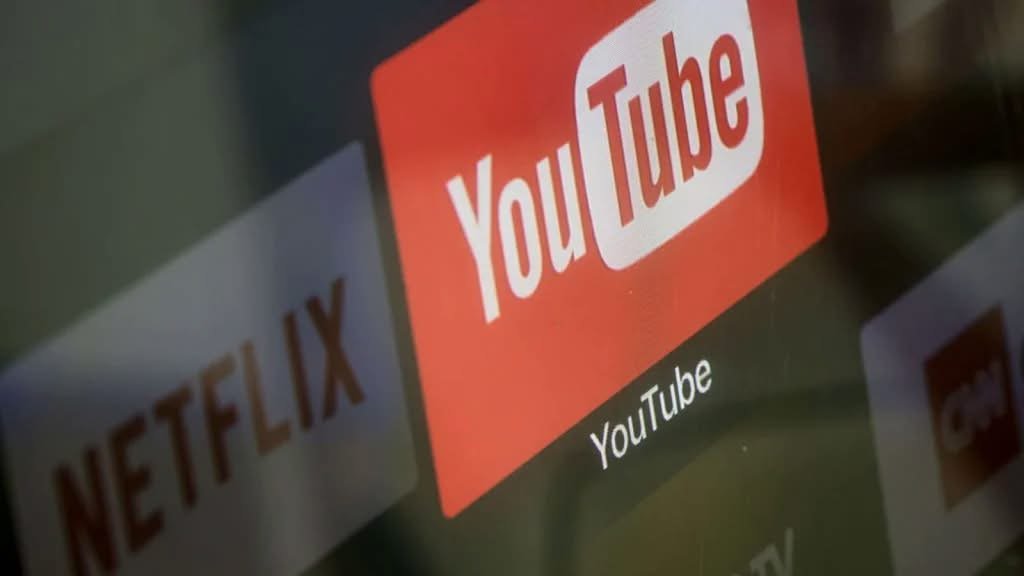
YouTube is stepping up its fight to retain some of the world’s biggest digital creators, reportedly offering selected stars multi-million-dollar financial incentives as Netflix expands its aggressive push into creator-led programming.
The emerging contest marks a significant development in the global entertainment industry, where the traditional boundaries between social media platforms, streaming services and independent digital creators are increasingly disappearing.
According to recent reporting, YouTube has begun discussing substantial financial packages with some of its biggest creators in an effort to discourage them from moving their most valuable content, particularly podcasts and long-form programming, exclusively to rival streaming platforms such as Netflix. The talks are reportedly at an early stage, and the size and structure of individual offers vary. (Business Insider)
The development comes after Netflix intensified its recruitment of prominent YouTube personalities, licensing existing creator libraries and commissioning new programmes designed to bring established online audiences onto its subscription streaming platform.
For YouTube, the stakes are considerably higher than simply retaining individual personalities. Its creator ecosystem is central to the platform’s identity, advertising business and global audience reach. Losing leading creators or seeing their most popular programmes become exclusive to Netflix could weaken one of the most important advantages that has separated YouTube from conventional streaming services.
Netflix’s growing creator strategy
Netflix has increasingly recognised that digital creators can bring something traditional television and film productions often struggle to generate quickly: an established audience.
Over the past year, the streaming company has expanded its relationships with major creators, including children’s entertainers, YouTubers, podcasters and digital-first production companies.
Netflix’s second-quarter 2026 shareholder letter highlighted its growing relationship with creators from open platforms. The company specifically identified personalities and brands including Danny Go!, Ms. Rachel, Mark Rober, Salish & Jordan Matter, the Stokes Twins, Nick DiGiovanni and Mythical. Netflix also said Ms. Rachel had spent 27 weeks in its Global Top 10. (S22 Q4 CDN)
The company’s strategy has extended beyond simply acquiring established television-style programmes.
In July, TheWrap reported that Netflix had licensed content from Mythical Kitchen, Nick DiGiovanni and Wishbone Kitchen, while also developing original programming with digital media companies and prominent online personalities. (TheWrap)
Another agreement saw Mythical’s programmes, including Good Mythical Morning, Last Meals and Mythical Kitchen, scheduled to become available on Netflix from September. (TheWrap)
These moves demonstrate Netflix’s attempt to broaden its programming beyond conventional scripted series, films and documentaries.
Instead, the company is increasingly looking toward creator-led entertainment that already has loyal audiences and proven demand.
YouTube fights back
YouTube’s reported response is significant because the platform has historically relied more heavily on its creator monetisation system than on traditional Hollywood-style exclusive commissioning.
Creators on YouTube can generate income through advertising revenue sharing, memberships, fan funding, sponsorships, shopping and other commercial arrangements.
YouTube itself said in August that its Partner Program had more than 3 million creators, underscoring the scale of the ecosystem it is trying to protect. The company also said it expects to pay creators more in 2027 than it did in 2026. (blog.youtube)
The reported multi-million-dollar offers represent a potentially different approach: directly putting money behind strategic creators whose audiences and content are considered particularly valuable.
Business Insider reported that YouTube was offering select top creators multi-million-dollar deals for exclusive content, although discussions were still in their early stages. The report said the incentives could include financial payments alongside marketing support and brand-deal opportunities. (Business Insider)
Such arrangements would represent a notable shift in the competitive dynamics of the creator economy.
Rather than allowing creators to decide independently whether to distribute their programmes across platforms, YouTube would be using direct financial incentives to compete for first-window or exclusive rights.
A battle over audience attention
At the heart of the dispute is not simply video content but audience attention.
YouTube has spent nearly two decades building an ecosystem where creators can publish directly to audiences without traditional broadcasters acting as gatekeepers.
That model has produced some of the world’s most influential digital personalities and entertainment brands.
Netflix, meanwhile, has traditionally operated through a curated subscription model. Its decision to embrace creator content reflects a recognition that the habits of younger and increasingly global audiences are changing.
The competition is therefore becoming less about whether viewers prefer “television” or “YouTube” and more about which platform can secure the largest share of their daily viewing time.
Netflix’s expansion into creator content also coincides with its push into video podcasts and shorter-form programming.
In May, Netflix and Spotify acquired video rights to Jay Shetty’s On Purpose podcast in a deal reported by Variety to be worth about $100 million over several years. The agreement made the full video version of the programme exclusive to Netflix and Spotify, although older episodes and promotional clips remained on YouTube. (Variety Australia)
The Jay Shetty agreement demonstrated the financial scale of the new creator economy.
For platforms, popular creators can provide an existing audience, reducing some of the uncertainty associated with launching an entirely new entertainment property.
Why creators matter to streaming platforms
Creators bring something particularly valuable to streaming companies: a direct relationship with audiences.
A conventional television programme may require substantial marketing before viewers become familiar with its presenters. A major YouTube creator can arrive with millions of subscribers who already know the personality, understand the format and have developed a habit of watching the content.
That relationship can reduce the risk associated with developing new programming.
Netflix’s experience with creators such as Ms. Rachel illustrates the potential. The streaming company said her programming had spent 27 weeks in its Global Top 10, while TheWrap reported that eight episodes accumulated 69 million views during the first half of 2026. (TheWrap)
For Netflix, these figures suggest that creator-led programming can generate meaningful engagement on a subscription service.
For YouTube, however, the same figures highlight the danger of allowing successful creators to shift their most valuable output elsewhere.
YouTube’s competitive advantage
Despite Netflix’s aggressive expansion, YouTube retains significant advantages.
Its biggest strength is scale.
Unlike a conventional subscription platform, YouTube allows creators to build audiences without requiring viewers to pay a separate monthly subscription. The platform also operates across a vast range of countries and content categories.
YouTube’s advertising-based model allows creators to monetise their audiences while maintaining direct relationships with viewers.
The company said earlier this year that it had paid more than $100 billion to creators, artists and media companies between 2021 and 2025, a figure cited by Variety reporting through Yahoo Entertainment. (Yahoo)
That scale of creator investment gives YouTube a powerful argument when competing against streaming companies for digital talent.
However, Netflix has a different attraction: large upfront payments, global distribution, professional production resources and the prestige associated with a major streaming platform.
The result is a marketplace in which creators have more bargaining power than ever before.
What the competition means for creators
The emerging YouTube-Netflix contest could ultimately benefit leading creators by increasing the value of their intellectual property.
Creators who once depended primarily on advertising revenue and sponsorships can now negotiate licensing arrangements, production partnerships and exclusive distribution agreements worth millions of dollars.
But exclusivity can also create difficult choices.
Moving a programme away from YouTube could mean sacrificing some of the audience interaction, advertising revenue and discoverability that made the creator successful in the first place.
For creators, the key question may increasingly be whether a large upfront payment is worth surrendering some control over distribution and audience access.
Some creators may choose exclusive deals, while others may prefer arrangements that allow them to maintain their YouTube presence while simultaneously reaching Netflix audiences.
The emerging model is already visible in several Netflix partnerships, where content remains available on YouTube while also being licensed to Netflix. That approach gives creators an opportunity to expand their reach without completely abandoning the platform on which their brands were built.
A changing global entertainment industry
The YouTube-Netflix rivalry reflects a much broader transformation in the entertainment business.
Traditional studios are no longer the only organisations capable of producing globally successful entertainment. Individual creators and digital media companies can build audiences numbering in the millions from relatively small production operations.
Streaming companies have recognised the commercial value of that model, while platforms such as YouTube are increasingly being forced to defend the creators who made them successful.
The competition is also expanding beyond Netflix.
Disney+ recently secured a multimillion-pound partnership involving Gary Neville’s The Overlap, including rights to episodes of Stick to Football and a new programme featuring Wayne Rooney and Mark Goldbridge. The deal illustrates how established streaming platforms are increasingly competing for creator-led sports and entertainment programming. (The Guardian)
This suggests that the creator economy is entering a new phase in which major platforms compete not only for subscribers and advertisers, but also for the personalities capable of attracting and retaining those audiences.
What comes next
YouTube’s reported decision to consider multi-million-dollar incentives represents an important escalation in that competition.
The company is effectively defending its creator ecosystem against a new generation of rivals that can offer substantial financial rewards and global distribution.
For Netflix, the strategy provides access to proven digital talent and audiences while helping the company expand beyond traditional streaming formats.
For creators, the competition could result in more lucrative opportunities, greater negotiating power and broader international exposure.
But it could also reshape the relationship between creators and the platforms that distribute their work.
As streaming services continue to pursue digital personalities, the most successful creators are increasingly becoming valuable intellectual properties in their own right.
The central question is no longer whether YouTube creators can compete with Hollywood.
The emerging reality is that Hollywood, streaming platforms and creator-led media are now competing in the same marketplace — and the companies willing to pay the most for audience attention are likely to shape the next chapter of global entertainment.
Sources
- Business Insider – YouTube offers top creators multi-million-dollar deals
- Netflix Q2 2026 Shareholder Letter
- TheWrap – Netflix’s growing creator strategy
- TheWrap – Mythical’s creator partnership with Netflix
- Variety – Netflix and Spotify acquire Jay Shetty’s On Purpose video rights
- Forbes – Jay Shetty signs Netflix and Spotify deal
- TechCrunch – Netflix expands into shorter creator-style video content
- NBCUniversal – YouTube strategic partnership announcement