Reported by Weng Patrick Atokor | Journalist at Weng Global
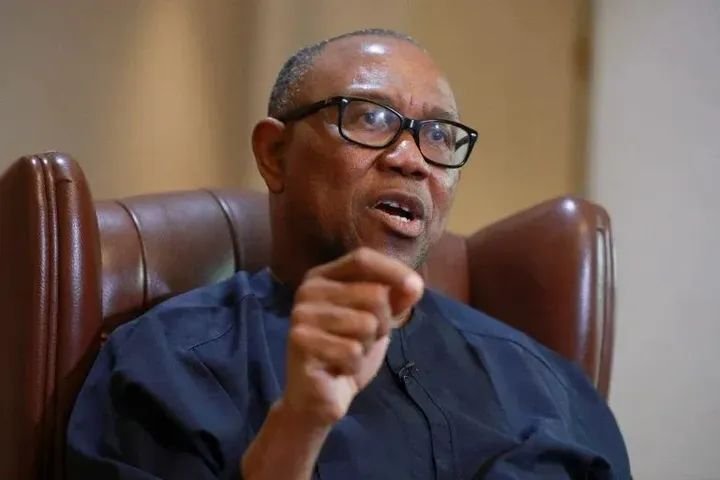
Nigeria’s former Labour Party presidential candidate, Peter Obi, has reiterated his call for a new style of leadership in the country, insisting that Nigeria’s enormous human and natural resources can only be fully harnessed through competent, accountable, and compassionate governance.
Obi made the remarks while speaking during a public engagement, where he emphasized that the nation’s persistent economic hardship, insecurity, unemployment, and declining social services are not the result of a lack of resources but rather the consequence of poor leadership and weak institutions.
According to him, Nigeria possesses all the ingredients required to become one of the world’s leading economies but has continued to struggle because of ineffective governance and the absence of leaders who prioritize the welfare of citizens.
Leadership Determines National Progress
The former Anambra State governor argued that nations succeed not because they possess more natural resources than others but because they are led by individuals who make prudent decisions, invest in people, and ensure public resources are managed responsibly.
He stressed that competent leadership should be measured by the ability to improve education, healthcare, infrastructure, security, food production, and economic opportunities for citizens rather than by political rhetoric.
Obi noted that many countries with fewer natural resources have surpassed Nigeria in development because their leaders focused on productivity, transparency, and long-term national planning.
He maintained that leadership should be built on integrity, accountability, and service, adding that citizens deserve leaders who are willing to make sacrifices for the nation’s future instead of pursuing personal interests.
Compassion Must Be at the Centre of Governance
Speaking on the importance of compassionate leadership, Obi said government policies should reflect empathy for ordinary Nigerians, many of whom continue to face rising living costs, unemployment, and declining purchasing power.
He stated that leaders must understand the daily struggles of citizens and formulate policies that reduce poverty, create jobs, and expand access to quality education and healthcare.
According to him, governance should not merely focus on economic statistics but on improving the quality of life of the average Nigerian.
Obi argued that every policy introduced by government should answer one fundamental question: whether it improves the lives of citizens.
He said a compassionate government would prioritize investments in agriculture, education, technology, healthcare, and youth empowerment instead of excessive recurrent expenditure.
Accountability Remains Essential
The former presidential candidate also stressed the importance of accountability in public office, saying transparent management of public resources is critical to restoring public confidence in government.
He called for stronger institutions capable of ensuring that public officials remain answerable for their actions and that government spending delivers measurable benefits to citizens.
According to Obi, accountability encourages investor confidence, strengthens democratic institutions, and reduces corruption.
He added that responsible fiscal management would enable government to channel more resources toward development projects that directly impact people’s lives.
Unlocking Nigeria’s Vast Potential
Obi expressed confidence that Nigeria has the capacity to become an economic powerhouse if its abundant resources are managed effectively.
He highlighted the country’s youthful population, agricultural potential, solid minerals, entrepreneurial talent, and strategic position within Africa as major assets capable of driving sustainable development.
However, he warned that these opportunities would remain unrealized without visionary leadership committed to national development.
He urged policymakers to focus on creating an enabling environment for businesses, supporting local industries, encouraging innovation, and attracting domestic and foreign investment.
He further emphasized that improving security remains essential for economic growth, as investors require stability before committing resources to any country.
Call for National Unity
Obi also appealed to Nigerians to remain united despite political, ethnic, and religious differences.
He said national development requires collective effort from government, the private sector, civil society, and citizens.
According to him, political competition should never overshadow the shared responsibility of building a peaceful, prosperous, and inclusive nation.
He encouraged Nigerians, particularly young people, to remain actively involved in democratic processes and continue demanding transparency and good governance from elected leaders.
Reactions Across Political Circles
Obi’s remarks have generated discussions across political and civil society circles, with supporters describing his comments as a reflection of the urgent reforms needed to reposition Nigeria.
Many observers agree that issues such as inflation, unemployment, insecurity, inadequate infrastructure, and declining public services remain among the country’s most pressing challenges.
Some analysts believe that addressing these problems will require sustained policy implementation, institutional reforms, and stronger collaboration between federal, state, and local governments.
Others argue that while leadership plays a significant role, long-term development also depends on policy consistency, judicial independence, economic diversification, and citizen participation.
Nigeria’s Development Challenge
Nigeria remains Africa’s largest economy by population, with significant oil reserves, fertile agricultural land, an expanding technology sector, and one of the continent’s largest youth populations.
Despite these advantages, the country continues to grapple with multiple socio-economic challenges, including inflationary pressures, high youth unemployment, food insecurity, infrastructure deficits, and security concerns affecting several regions.
Development experts have consistently maintained that improving governance, strengthening institutions, expanding investment in human capital, and promoting transparency are essential steps toward sustainable national development.
Obi’s latest remarks align with his longstanding advocacy for responsible leadership, prudent management of public finances, and investment in sectors capable of generating inclusive economic growth.
Looking Ahead
As political conversations gradually build toward future electoral cycles, debates over leadership quality, economic reforms, and governance are expected to remain central to Nigeria’s national discourse.
Obi maintained that Nigeria possesses everything required to succeed but insisted that transforming the country ultimately depends on leaders who combine competence, compassion, accountability, and a genuine commitment to public service.
He expressed optimism that with the right leadership and collective determination, Nigeria can overcome its current challenges and realize its enormous potential for future generations.
Sources: Peter Obi’s public statement; official public remarks; reports by reputable Nigerian media organizations.