Reported by Weng Patrick Atokor l Journalist at Weng Global
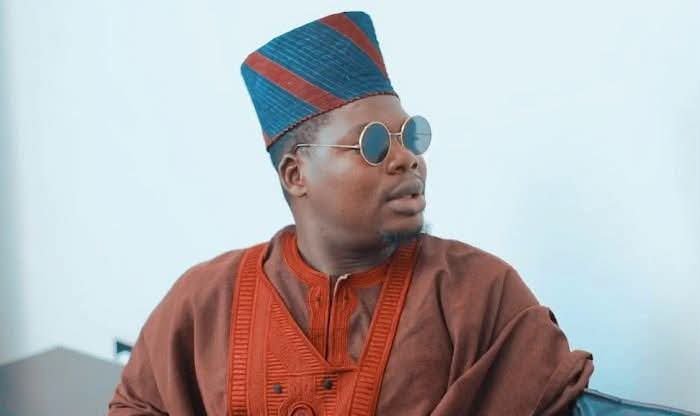
Nigerian actor and social commentator Adebowale Adedayo, popularly known as Mr Macaroni, has explained why he reduced his public criticism of government, pointing to exhaustion, public backlash and threats he said he experienced because of his activism.
Mr Macaroni made the clarification on Wednesday, September 16, 2026, after Wazobia FM shared excerpts from an older interview in which he discussed the personal risks associated with his activism during and after the #EndSARS protests.
The actor subsequently explained on X that the interview was recorded more than two years ago but said the issues he raised remained relevant.
He said his decision to take a break from frequent political commentary was not simply about the threats he had received. According to him, repeatedly raising the same concerns without seeing sustained public action had become exhausting.
Mr Macaroni says repeated criticism became exhausting
In his response, Mr Macaroni said he had repeatedly spoken about issues affecting Nigerians but had become frustrated by what he described as the tendency for public outrage to fade quickly.
He argued that Nigerians often complain about problems before moving on without maintaining pressure for change.
The actor said there was little more he could add to issues he had already discussed extensively, describing the experience of repeating the same arguments as tiring.
He also questioned whether continued commentary could achieve much if citizens were unwilling to sustain demands for accountability.
His comments reflect a broader debate in Nigeria over the role of entertainers, influencers and other public figures in political and civic discussions.
While celebrities can use large audiences to draw attention to social issues, sustained political engagement can also expose them to criticism, harassment and intense public scrutiny.
Threats also affected his family
Mr Macaroni also revisited the threats he said he received during his activism around #EndSARS.
According to him, the situation became particularly difficult because the pressure extended beyond him and affected his family.
He recalled that his mother repeatedly expressed concern about his safety and that members of his family considered arranging for him to leave Nigeria.
He said he rejected the idea of leaving the country.
The comments were contained in the older interview shared by Wazobia FM and subsequently discussed by the actor in his posts.
The reported threats have not been independently verified by Weng Global, and Mr Macaroni’s account represents his description of the experiences he said he and his family went through.
His activism became prominent during #EndSARS
Mr Macaroni became one of the Nigerian entertainers who publicly participated in conversations surrounding the #EndSARS movement, which emerged in 2020 amid nationwide protests over police brutality and demands for police reform.
His involvement continued after the main 2020 demonstrations.
In February 2021, he was among protesters arrested at the Lekki Toll Gate during a demonstration against the reopening of the facility. Channels Television reported that he was arrested alongside other protesters during the #OccupyLekkiTollGate demonstration.
The Lagos State Police Command later said Mr Macaroni and other arrested protesters had been arraigned before a mobile court and granted bail.
The episode further established Mr Macaroni as a prominent entertainment figure in Nigeria’s civic and political conversations.
His public interventions subsequently extended to elections, governance and citizens’ rights.
Backlash from Nigerians also shaped his decision
Mr Macaroni said his experience was not limited to disagreements with government officials or political actors.
He also described facing criticism and insults from members of the public while speaking about political and social issues.
According to him, some of the people he believed he was advocating for eventually turned against him.
He said the experience contributed to his frustration with repeatedly addressing political issues.
His comments highlight one of the difficulties faced by public figures who participate in contentious political debates: criticism can come from multiple sides, including supporters and opponents of particular governments, parties or policies.
For entertainers whose primary careers are outside politics, sustained involvement in political debates can also affect their public image and relationships with different segments of their audience.
Mr Macaroni says he has not abandoned his concerns
Despite reducing his political commentary, Mr Macaroni indicated that his decision should not be interpreted as a complete withdrawal from civic issues.
In his latest comments, he linked his break to fatigue and the experience of repeatedly making similar arguments rather than saying that his concerns about governance had disappeared.
He also referred to a statement he made in March 2026 criticising President Bola Tinubu’s administration, saying that episode marked a point at which he decided to take a break from political commentary.
His remarks about the administration are his political opinion and should be understood as such.
Mr Macaroni has continued to maintain a public profile through entertainment and creative work while reducing the frequency with which he comments directly on government and political affairs.
His 2023 election involvement
The actor also recalled his participation in political conversations ahead of Nigeria’s 2023 general elections.
He said he encouraged Nigerians to vote and publicly stated the candidate he personally intended to support, while distinguishing his own choice from directing other Nigerians on how to vote.
His participation reflected the growing role of Nigerian entertainers and social media personalities in voter education and political conversations during the 2023 election cycle.
The broader involvement of celebrities in politics has remained a subject of discussion in Nigeria, particularly as social media has made it easier for entertainers to communicate directly with millions of followers.
However, such visibility also means that political statements by celebrities can attract significant support as well as criticism.
Why his comments matter
Mr Macaroni’s latest explanation provides an insight into the personal pressures that can accompany public political expression.
His experience also raises wider questions about the relationship between citizens, public figures and political accountability in Nigeria.
For public figures, speaking on governance can provide an important channel for reaching younger audiences, particularly through social media. At the same time, sustained political commentary can expose individuals to criticism, online abuse and, according to Mr Macaroni’s account, threats.
For citizens, his comments also raise questions about how public attention is maintained after major controversies or protests.
The actor’s argument is that repeated public complaints have limited impact if they are not accompanied by sustained civic engagement.
That is his assessment, rather than an independently established conclusion about Nigerian political participation.
What happens next?
Mr Macaroni has not indicated that he is permanently withdrawing from public affairs.
Instead, his recent comments suggest that he is taking a break from repeatedly addressing political issues while concentrating more on his creative work.
He has also indicated that he could return to political commentary when he believes Nigerians are prepared to sustain pressure around the issues he considers important.
For now, his decision represents a reduction in his political commentary rather than an announced end to his public career or civic involvement.
Mr Macaroni’s case also illustrates how the role of entertainers in Nigerian public life has expanded beyond film, comedy and music into conversations about governance, elections, citizens’ rights and social accountability.
As Nigeria’s political conversation increasingly takes place across social media platforms, the involvement of high-profile entertainers is likely to remain an important part of the country’s wider civic discourse.
Weng Global – Stories beyond borders
Sources
- The PUNCH — reporting on Mr Macaroni’s September 16, 2026 explanation and his posts concerning his decision to reduce political commentary.
- QED.NG — report on Mr Macaroni’s account of threats and his activism.
- Channels Television — report on Mr Macaroni’s arrest during the February 2021 #OccupyLekkiTollGate protest.
- The Guardian Nigeria — contemporaneous reporting on the 2021 Lekki Toll Gate protest and arrests.