Reported by Simon Daniel Yusuph l Journalist at Weng Global
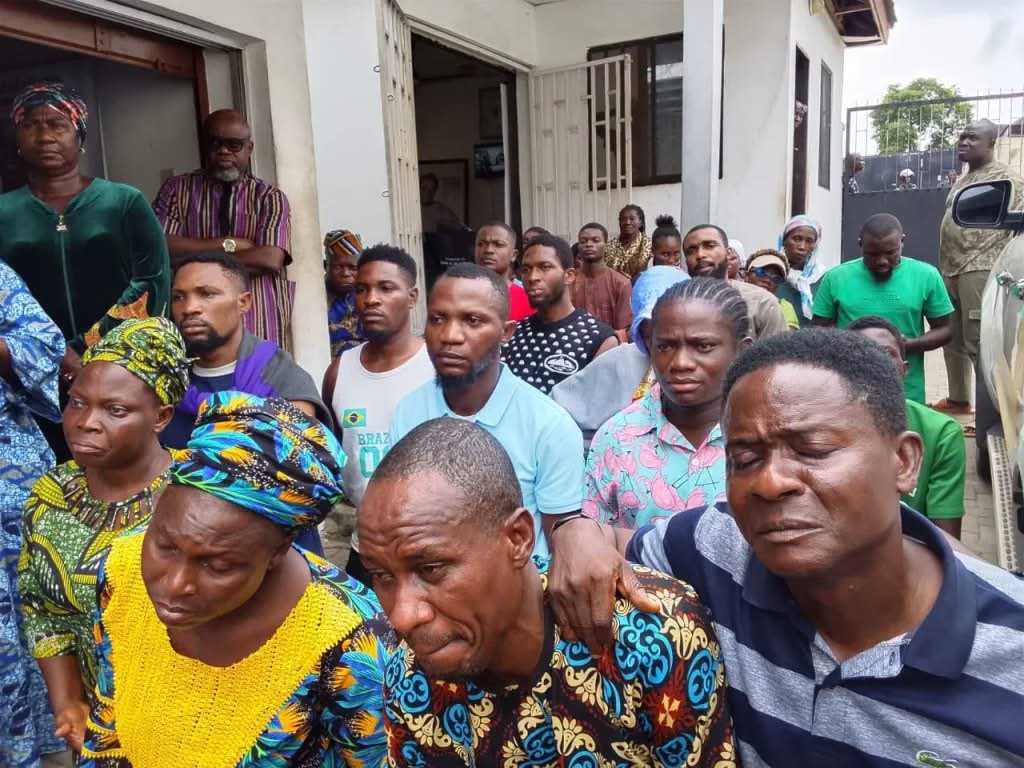
A mother of one of the 20 prospective National Youth Service Corps (NYSC) members abducted in Imo State has revealed how her family raised N6 million in ransom to secure her son’s release after kidnappers initially demanded a much larger amount.
The woman, whose identity was not disclosed, said the abductors initially demanded N50 million for each victim before reducing the amount following negotiations with the families.
Her account emerged after the Nigeria Police Force confirmed the rescue of the 20 prospective corps members on Wednesday, October 7, after six days in captivity. The victims were rescued at Amakohia Ubi Village in Imo State following sustained search-and-rescue operations involving the police and other security agencies.
Mother Describes Ransom Negotiations
Speaking to News Central Television, the mother said the kidnappers initially demanded N50 million per person, making the financial demand extremely difficult for the affected families to meet.
She said the families pleaded with the abductors to reduce the amount, initially offering N500,000, but the kidnappers refused and continued to threaten them.
According to her account, the abductors later contacted the family and demanded N15 million for her son.
The family told the kidnappers that they had only been able to raise about N5.5 million, after which the abductors eventually insisted on N6 million.
The mother said the family ultimately paid the N6 million demanded for her son’s release.
Her account provides a glimpse into the financial and emotional pressure placed on families during kidnapping negotiations, particularly when victims are held for several days without certainty about their safety.
Family Sent Representatives to Arrange Payment
The mother said the kidnappers instructed the families of the abducted victims to send representatives to Ibadan as part of the ransom arrangements.
She said her husband and her son’s elder brother were among those who went to meet with the abductors’ representatives.
According to her account, the representatives were instructed to transfer the money to an account and subsequently convert it into dollars after arriving in Imo State.
The woman’s elder son was eventually involved in delivering the ransom, after which the family received confirmation that the abducted NYSC member had been released.
She said the family was later able to speak directly with the rescued victim.
The account has not been independently verified by Weng Global, and the police statement confirming the rescue did not state that ransom was paid or provide details about negotiations with the abductors.
That distinction is important because the official account confirms the rescue operation, while details concerning ransom payments come from relatives speaking to the media.
20 Prospective Corps Members Rescued
The ransom revelations followed the successful rescue of 20 prospective NYSC members who were abducted in Imo State on October 1.
According to the Nigeria Police Force, the victims were rescued on October 7 at Amakohia Ubi Village after sustained search-and-rescue operations carried out in collaboration with sister security agencies.
The prospective corps members had been travelling from Ibadan, Oyo State, towards orientation camps in Abia and Akwa Ibom states when they were attacked and abducted along the Owerri-Onitsha route.
Reports indicate that the victims were travelling in two buses when the attackers intercepted them in Imo State.
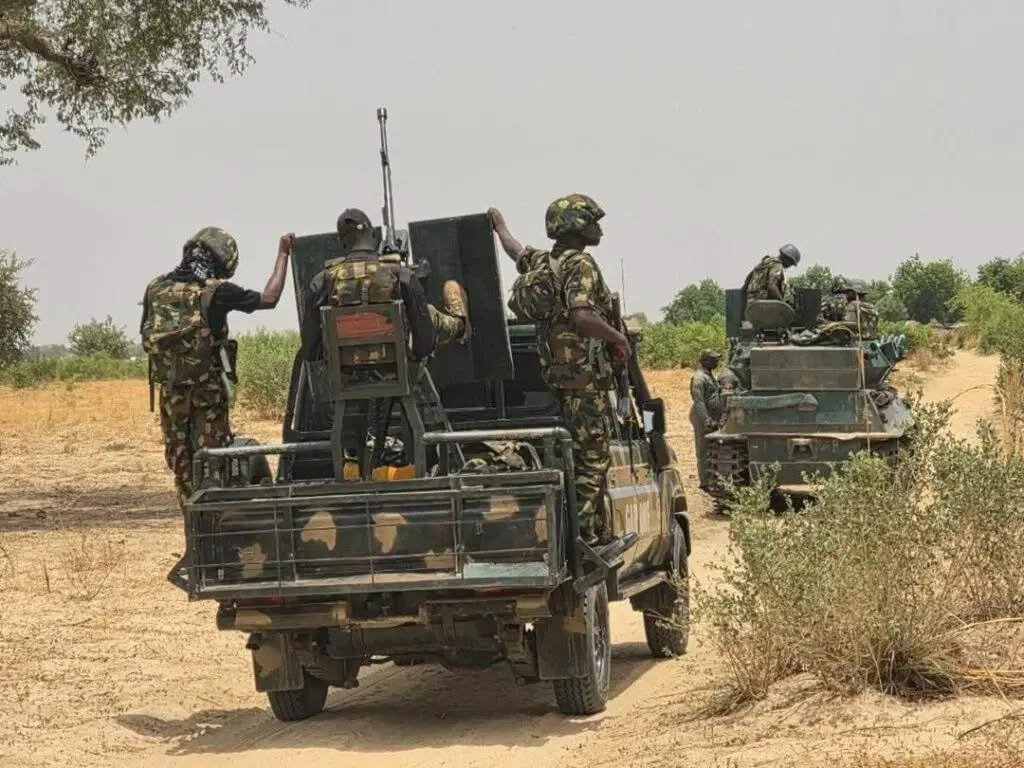
The abduction triggered a security response involving the police and other agencies, with authorities subsequently intensifying efforts to locate the victims and arrest those responsible.
The police said the rescued victims were taken for medical assessment and necessary care following their recovery.
Police Continue Search for Kidnappers
While the rescue brought relief to the victims’ families, the security operation has not ended.
The Nigeria Police Force said efforts were continuing to apprehend those responsible for the abduction.
Force Public Relations Officer, CSP Ani Iniedu, said police and other security agencies were maintaining coordinated operations aimed at bringing those responsible to justice.
The police have not publicly identified suspects in connection with the kidnapping.
No official statement has also established the identity of the group responsible for the abduction or confirmed the circumstances under which the reported ransom payments were made.
The distinction between the families’ accounts and officially confirmed information remains important as investigations continue.
The Human Cost of Ransom Demands
The mother’s account illustrates the financial burden kidnapping can place on families.
According to her testimony, the family had to negotiate repeatedly before reaching the N6 million figure.
Other relatives of the abducted prospective corps members have also reportedly described raising millions of naira to secure the release of their loved ones.
News Central Television reported accounts from families who said they made substantial payments while their relatives were being held captive. One mother reportedly said she paid N3 million after scrambling to raise the money and sending someone to Imo State to deliver it.
These accounts highlight the difficult choices families face during kidnapping crises.
For many households, raising millions of naira at short notice can mean borrowing money, selling assets or relying on relatives and community members.
The financial consequences can continue long after a victim has returned home.
The emotional impact can also be severe, particularly for parents who spend days uncertain about whether their children will survive captivity.
Mother Describes Emotional Ordeal
The mother said her son’s abduction had a significant effect on her physical and emotional wellbeing.
She told News Central Television that she was unable to sleep while her son remained in captivity and described the relief she experienced after receiving confirmation of his release.
Her experience reflects the wider psychological burden often carried by families of kidnapping victims.
While public attention frequently focuses on the rescued victims, relatives can also endure prolonged fear, anxiety and financial pressure during negotiations.
The uncertainty can be particularly difficult when families receive threats from abductors or are required to raise large sums of money within short periods.
A Security Challenge Beyond the Rescue
The incident has renewed concerns over the safety of young Nigerians travelling between states, particularly those travelling to fulfil national service obligations.
The 20 victims were prospective NYSC members travelling towards orientation camps in Abia and Akwa Ibom.
Their abduction occurred along a major road linking parts of southeastern Nigeria, highlighting the vulnerability of travellers on inter-state routes.
The rescue demonstrates the ability of security agencies to coordinate search-and-rescue operations, but the fact that the victims spent several days in captivity also raises broader questions about preventing such attacks in the first place.
For families, safe travel is particularly important when young graduates are required to move across states for national service.
NYSC Members Receive Medical Attention
Following their rescue, the prospective corps members were taken for medical assessment and necessary care.
Reports also indicated that NYSC Director-General Brigadier General Olakunle Oluseye Nafiu visited the rescued victims at a DSS medical facility in Owerri alongside senior security officials.
The post-rescue medical assessment is important because victims of prolonged captivity may require both physical and psychological support.
Authorities will also need to ensure that the rescued graduates receive appropriate assistance as they recover from the experience.
Why the Incident Matters
The abduction is significant beyond the individual victims because it concerns young Nigerians travelling to participate in the country’s national service programme.
The NYSC programme brings graduates from different parts of Nigeria together and routinely requires participants to travel outside their home states.
Security threats along major routes can therefore affect not only individual travellers but also confidence in the national service system.
The reported ransom payments also underline another dimension of Nigeria’s kidnapping crisis: the economic burden imposed on families.
Where families believe that paying ransom is the only way to secure the safe return of relatives, kidnappers can continue to view abduction as a potentially profitable criminal enterprise.
At the same time, ransom allegations must be treated carefully while the security agencies investigate the case.
What Happens Next
The immediate priority is the recovery of the rescued victims and ensuring their physical and psychological wellbeing.
Security agencies are also expected to continue efforts to identify and arrest those responsible for the kidnapping.
The Nigeria Police Force has confirmed that investigations and operations to apprehend the perpetrators are ongoing.
The authorities will also face pressure to establish how the abduction occurred, identify possible security gaps along the route and prevent similar incidents involving travellers and prospective corps members.
For the families, the immediate concern is likely to be helping their children recover from the ordeal.
For security agencies, the longer-term challenge is ensuring that the rescue is followed by arrests and accountability.
The successful recovery of the 20 prospective corps members has brought relief, but it does not by itself resolve the broader security challenge represented by kidnapping along major transport routes.
Conclusion
The mother’s account of raising N6 million to secure her son’s release offers a personal perspective on the wider crisis surrounding the abduction of 20 prospective NYSC members in Imo State.
Her account, alongside those of other relatives who reportedly raised millions of naira, shows the immense pressure families can face when loved ones are taken hostage.
The Nigeria Police Force has confirmed that all 20 prospective corps members were rescued on October 7 and are receiving medical attention.
Authorities are now pursuing those responsible for the abduction.
For the victims and their families, the rescue marks the end of a frightening period of uncertainty. For the security agencies, however, the case remains open until the perpetrators are identified and brought to justice.
The incident also reinforces the importance of strengthening security along major inter-state routes and ensuring that young Nigerians travelling for national service can do so without being exposed to kidnapping and other serious threats.
Sources
- Nigeria Police Force
- TheCable
- News Central Television
- Vanguard
- The Guardian
- Punch Newspapers