Reported by Weng Patrick Atokor l Journalist at Weng Global
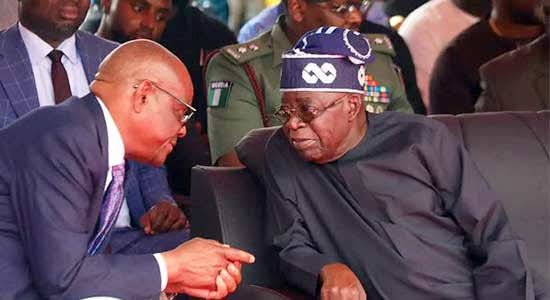
Federal Capital Territory (FCT) Minister Nyesom Wike has urged Nigerians to re-elect President Bola Ahmed Tinubu in the 2027 general election, arguing that a second term would enable the administration to consolidate its economic reforms and sustain the policies introduced since taking office.
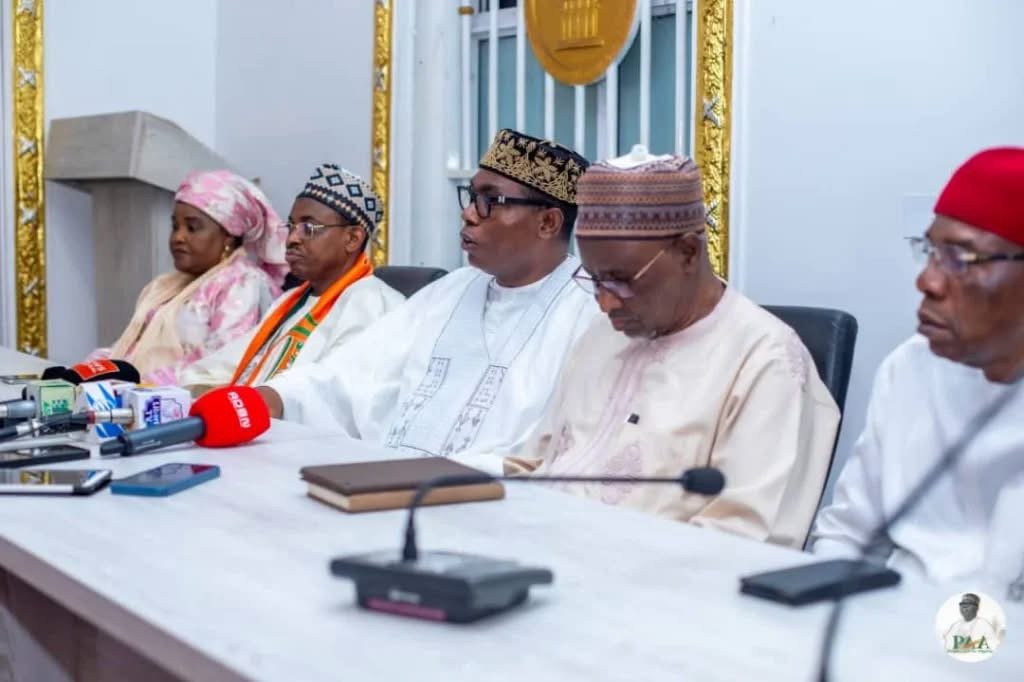
Wike made the appeal on Sunday, November 22, 2026, during a thanksgiving and dedication service at St Peter’s Anglican Church, Rumueprikom, in Obio/Akpor Local Government Area of Rivers State.
The event also featured the dedication of the Rainbow Coalition Campaign Council ahead of the 2027 general election, marking another step in the minister’s efforts to mobilise political support for Tinubu’s re-election.
The former Rivers State governor maintained that abandoning Tinubu’s policies before their expected benefits become fully visible could undermine the administration’s efforts to stabilise the Nigerian economy.
He argued that the President had taken difficult decisions to address longstanding economic challenges and deserved another opportunity to consolidate the foundation laid by his government.
According to Wike, Nigerians should consider the long-term implications of the administration’s policies when making their political choices in 2027.
Wike Defends Tinubu’s Economic Reforms
In defending the President’s re-election bid, Wike pointed to the removal of the petrol subsidy as one of the difficult decisions taken by the Tinubu administration.
He acknowledged that the policy had brought disadvantages and imposed difficulties on Nigerians but maintained that the country needed to look beyond the immediate consequences.
The FCT minister argued that the reforms were intended to establish a foundation for economic recovery and prosperity, insisting that abandoning them midway could make it difficult to sustain the progress he believes has been achieved.
Wike described Tinubu as a courageous leader who accepted responsibility for making difficult decisions at a time when, according to him, Nigeria was approaching an economic crisis.
He said the country had been on the verge of collapse before the President assumed office, arguing that the administration’s policies were necessary to address the situation.
However, Wike’s defence of the reforms comes against the backdrop of continuing public debate about their economic and social consequences, particularly the rising cost of living and the financial pressure experienced by households.
While the minister maintained that the disadvantages of the policies would be temporary, the administration’s economic performance and the extent to which Nigerians experience improvements in their living conditions are likely to remain important issues in the 2027 election campaign.
Minister Cites University Stability and Pension Payments
Wike also identified developments in the education sector and pension administration as areas where he believes the Tinubu government has made progress.
He referred to the disruption of university academic calendars caused by industrial actions over unpaid entitlements, arguing that such strikes were no longer a recurring problem under the current administration.
The minister also recalled the difficulties pensioners previously experienced in receiving their payments, presenting the government’s decisions as part of efforts to address longstanding administrative and financial challenges.
His comments formed part of a broader argument that Tinubu should be allowed to continue governing beyond his first term.
However, these assessments represent Wike’s defence of the administration. The minister did not provide detailed comparative figures during the reported remarks to independently establish the extent of the improvements he cited.
Wike Seeks Support Across Religious Groups
Beyond defending Tinubu’s policies, Wike called on Nigerians from different religious backgrounds to support the President’s second-term ambition.
He appealed to Christians, Muslims and traditional worshippers to participate in the electoral process and support the coalition’s political objective.
The minister stressed that the campaign needed votes from all sections of society, rather than support from one religious group.
He also rejected claims that the Tinubu administration had marginalised Christians in government appointments, arguing that Christians had received significant opportunities under the current government.
His remarks placed religious inclusion among the issues being addressed by the emerging campaign structure.
Wike further encouraged eligible Nigerians to participate in the 2027 elections, warning that refusing to vote would not prevent citizens from experiencing the consequences of the leadership choices made by others.
He argued that electoral participation was necessary because the outcome of an election affects the entire population, including those who choose not to vote.
Rainbow Coalition Campaign Council Dedicated Ahead of 2027
The thanksgiving service in Rumueprikom also provided an opportunity for the Rainbow Coalition to formally dedicate its campaign council ahead of the 2027 general election.
Wike explained that committing the campaign activities to God before beginning political mobilisation was consistent with their tradition.
He expressed confidence that the forthcoming campaign period would remain peaceful, saying he did not expect the exercise to generate a crisis.
The minister also disclosed that campaign activities would commence on November 23, 2026.
The Rainbow Coalition has emerged as an important part of Wike’s political mobilisation strategy, bringing together political stakeholders from different party backgrounds to support Tinubu’s re-election.
Earlier, on November 12, Wike inaugurated the Rivers State APC and Rainbow Coalition Presidential Campaign Council in Port Harcourt.
During that exercise, he urged members to move beyond conventional political rallies and engage residents directly through community meetings, family gatherings, market visits and other grassroots activities.
Rivers State Governor Siminalayi Fubara, who attended the inauguration, publicly declared his support for the coalition and Tinubu’s re-election.
Fubara also expressed confidence that the political structure could mobilise substantial support for the President in the state. Channels Television +1
The November 22 dedication therefore forms part of a continuing effort to strengthen the coalition’s organisation and prepare its members for the next election cycle.
Wike Endorses APC Governorship Candidate in Rivers
Although the principal focus of the gathering was Tinubu’s re-election, Wike also addressed the forthcoming Rivers State governorship contest.
He urged residents to support the All Progressives Congress (APC) candidate, Ogundu Kingsley Chinda, whom he described as a son of the soil.
The appeal reflects the coalition’s wider political activities in Rivers State, where it is seeking to mobilise support for Tinubu as well as APC candidates.
The gathering also attracted several political figures, including Chinda, Peoples Democratic Party (PDP) Board of Trustees Chairman Senator Mao Ohuabunwa and Rivers State House of Assembly Speaker Martin Amaewhule.
Their presence highlighted the coalition’s attempt to bring together politicians from different political backgrounds under a common electoral objective.
Wike also announced a donation of ₦100 million to St Peter’s Anglican Church on behalf of the Rainbow Coalition, his friends and associates.
He described the contribution as a way of supporting the church and encouraged religious leaders to pray for the coalition while appealing to members of the congregation to support its political candidates.
The Nation Newspaper +2
Political Implications for the 2027 Election
Wike’s renewed appeal for Tinubu’s re-election highlights the growing political mobilisation taking place ahead of the 2027 general election.
His position is particularly significant because he remains a prominent political figure with influence in Rivers State despite belonging to the PDP, while actively supporting the presidential ambition of an APC incumbent.
The Rainbow Coalition’s cross-party approach seeks to bring together politicians and grassroots networks who may not necessarily share the same party affiliation but are united in their support for Tinubu.
In September 2026, Wike maintained that the coalition was primarily established to mobilise support for Tinubu’s re-election rather than to advance individual political ambitions in different states.
He also argued that supporting the President should remain the immediate priority, while political actors could pursue their separate interests in state-level contests. Wike
The strategy could provide Tinubu with additional political networks outside the traditional APC structure. However, the coalition’s actual electoral influence will depend on its ability to translate political endorsements and mobilisation activities into votes.
For the opposition, the development presents another indication that the 2027 contest will involve alliances and political negotiations extending beyond formal party structures.
The election is also expected to place the Tinubu administration’s economic record under scrutiny, with voters assessing whether the reforms have delivered sufficient improvements to justify another four years.
Wike’s argument that a second term is necessary to consolidate the reforms is therefore both an endorsement of the President and an attempt to frame the 2027 election around policy continuity.
What Happens Next?
With Wike announcing November 23 as the commencement of campaign activities, attention will turn to how effectively the Rainbow Coalition organises its grassroots mobilisation across Rivers State and other political constituencies.
The coalition is expected to rely on community engagement, political alliances and voter mobilisation to advance its support for Tinubu’s second-term ambition.
The 2027 election will ultimately provide an opportunity for Nigerians to decide whether the President should continue with his administration’s policies or whether the country needs a different political direction.
For now, Wike has made his position clear: he believes Tinubu needs another four years to consolidate the reforms his administration has introduced.
Whether that argument resonates with voters will depend significantly on the country’s economic conditions, the administration’s performance and the competing political alternatives presented to Nigerians.
Weng Global – Stories beyond borders
Sources
- Channels Television – Wike says Tinubu needs another term to stabilise reforms.
- The Nation – Rejecting Tinubu in 2027 will reverse reforms, Wike says.
- Nigerian Tribune – Wike defends Tinubu’s second-term ambition.
- Channels Television – Fubara declares support as Wike inaugurates Rainbow Coalition.
- Premium Times – Wike explains Rainbow Coalition’s support for Tinubu’s re-election.