Reported by Simon Daniel Yusuph l Journalist at Weng Global
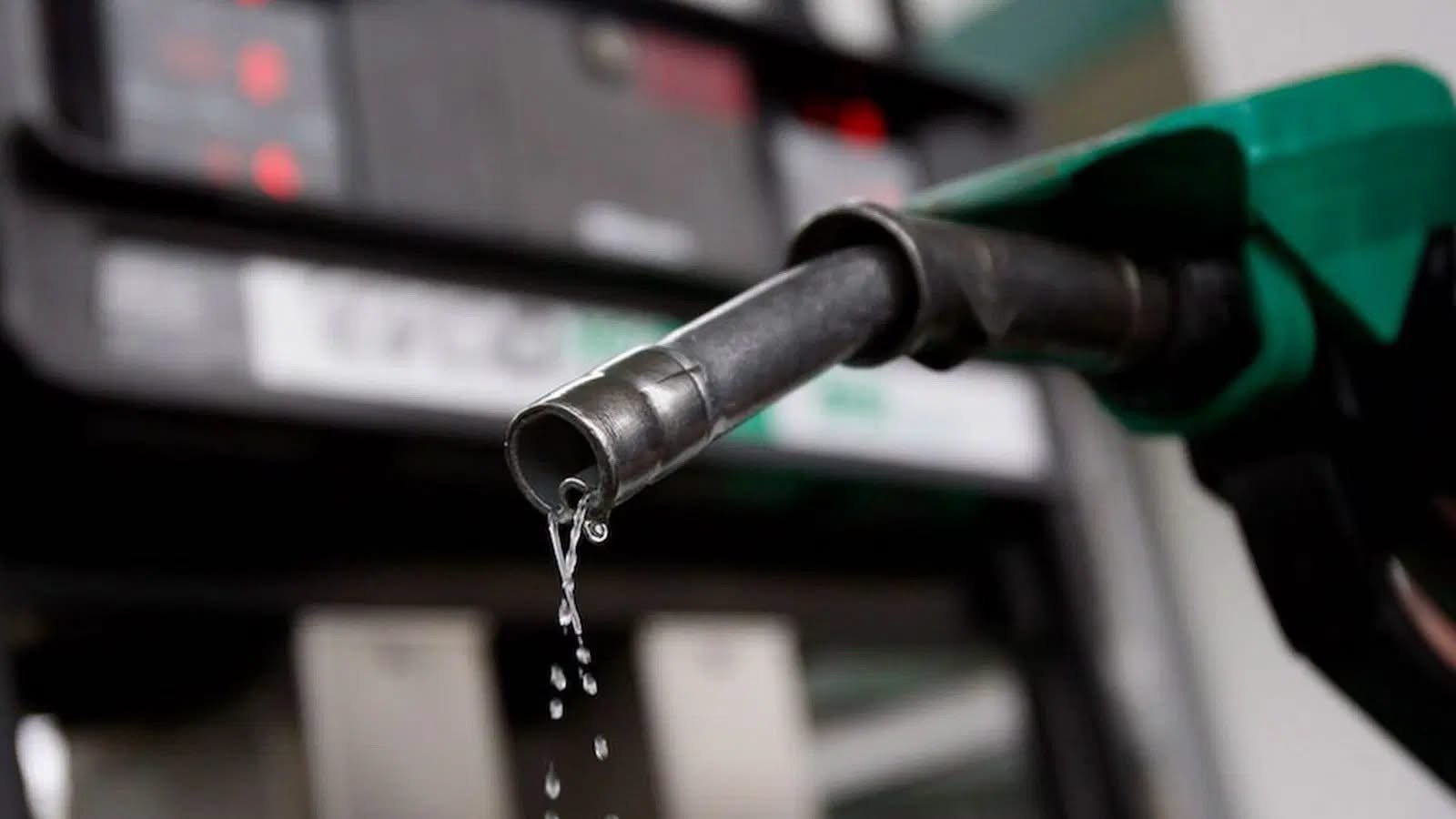
Oil marketers have begun reducing the pump price of Premium Motor Spirit (PMS), commonly known as petrol, with some filling stations now selling the product at about N1,350 per litre following a decline in depot prices.
In Lagos and surrounding areas, MRS has reduced its petrol price by N20 per litre, from N1,370 to N1,350, while some independent marketers have also lowered their prices from above N1,380 to around N1,360, according to checks reported by Vanguard on September 26, 2026.
The adjustments come as wholesale petrol prices have started easing across several major Nigerian markets, providing some relief after sharp increases earlier in September.
Depot prices begin to fall
The latest movement in retail prices is closely linked to declining ex-depot rates.
Data cited in the latest Daily Depot Price Intelligence Report showed that petrol was available for as low as N1,303 per litre in Port Harcourt as of September 25. Depot prices vary considerably by location, supplier and available stock, meaning the reduction has not been uniform across the country.
Earlier in September, the downstream market experienced a significant increase in petrol prices after Dangote Petroleum Refinery raised its gantry price from N1,265 to N1,350 per litre.
The N85 increase represented a 6.7 per cent adjustment and followed a rise in international crude prices and higher replacement costs for refined products.
However, the refinery subsequently reduced its petrol price by N25 to N1,325 per litre as international crude prices eased. BusinessDay reported that the reduction came nine days after the refinery’s N85 increase.
The lower wholesale benchmark has since encouraged other suppliers and marketers to adjust their own prices.
Crude oil prices influence Nigerian petrol market
International crude prices remain an important factor in Nigeria’s deregulated downstream petroleum market.
Brent crude had risen sharply earlier in September amid heightened tensions in the Middle East, contributing to higher petrol prices in Nigeria. Reuters reported on September 21 that petrol had reached around N1,400 per litre in Lagos and Abuja, with some stations in northern Nigeria charging as much as N1,500.
The subsequent decline in international crude prices has provided room for refiners and depot operators to lower their wholesale prices.
BusinessDay reported that Brent crude was trading at $100.40 per barrel after falling 3.34 per cent, while West Texas Intermediate dropped 3.83 per cent to $92.40 at the time of Dangote’s latest price reduction.
Because Nigeria’s petrol market remains exposed to international crude prices and product replacement costs, changes in the global oil market can quickly affect wholesale and retail fuel prices.
Pump prices remain different across locations
Despite the latest reductions, motorists should not expect a uniform petrol price nationwide.
Retail prices continue to differ according to location, supplier, transportation costs, stock acquired at previous prices and individual marketers’ margins.
Earlier in September, petrol depot prices ranged between N1,350 and N1,390 per litre across Lagos, Warri, Port Harcourt and Calabar, according to market data reported by Legit.ng.
More recent reductions have narrowed some of those wholesale prices. On September 23, reports showed Dangote’s petrol price at N1,325 per litre, while several other Lagos depots were quoting between roughly N1,326 and N1,332.
The differences mean that a fall in depot prices does not necessarily translate immediately into an identical reduction at every filling station.
What the reduction means for motorists
The latest cuts could reduce the cost of petrol for motorists and businesses if lower wholesale prices continue to filter through the distribution chain.
For households, cheaper petrol could also ease some of the pressure on transport costs and businesses whose operations depend heavily on fuel.
However, the extent and duration of the relief will depend on several factors, including international crude prices, foreign exchange conditions, domestic supply, refinery output and competition among fuel suppliers.
The recent market movements demonstrate how quickly prices can change. Dangote Refinery moved from N1,265 to N1,350 per litre in September before cutting the price to N1,325, while retail prices have followed the broader movement with varying degrees of delay.
NMDPRA monitors deregulated market
The Nigerian Midstream and Downstream Petroleum Regulatory Authority (NMDPRA) has maintained that petrol prices operate within Nigeria’s deregulated petroleum market and that the authority does not administratively fix retail pump prices.
BusinessDay reported on September 20 that the regulator had reaffirmed its focus on consumer protection and market stability amid rising petrol prices.
Under the current market structure, individual operators can adjust prices in response to their acquisition costs and prevailing market conditions, subject to applicable regulations.
This explains why motorists can encounter different prices even within the same city.
What happens next
The direction of petrol prices in the coming weeks will depend heavily on international crude oil movements and domestic wholesale competition.
If crude prices remain lower and refinery and depot supply continues to improve, marketers may have additional room to reduce retail prices. However, any renewed increase in crude prices or other supply and cost pressures could reverse the recent decline.
For now, the reduction to around N1,350 per litre at some filling stations represents a shift from the sharp increases recorded earlier in September, although prices remain substantially above levels seen before the latest market surge.
Weng Global – stories beyond borders
Sources
- Vanguard
- BusinessDay
- Reuters
- Legit.ng
- Petroleumprice.ng