Reported by Simon Daniel Yusuph l Journalist at Weng Global
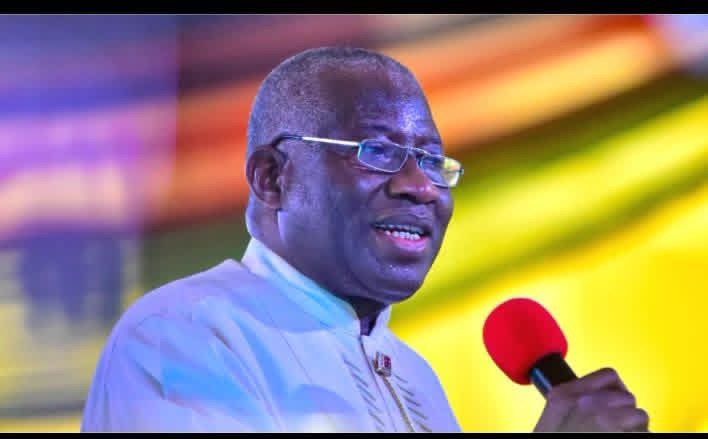
Former President Goodluck Jonathan and Rivers State Governor Siminalayi Fubara have called on traditional rulers in Rivers State to embrace responsible, peaceful and selfless leadership, stressing the importance of their role in maintaining stability and supporting development in their communities.
The remarks were made during the 10th anniversary celebration of the coronation of Eze Dr Ken Nwala, Onye Ishi Agwuru III of Ulakwo-Umuselem Kingdom in Etche Local Government Area of Rivers State, which also featured the first Etche Festival of Food, Art and Culture Exhibition on December 1, 2024.
Jonathan Urges Fubara to Remain Focused
Jonathan used the occasion to acknowledge the political challenges confronting Governor Fubara and encouraged him to remain focused on his responsibilities.
The former president said leadership, particularly political leadership, comes with challenges and described such experiences as part of the process through which leaders develop greater experience.
Jonathan told Fubara that the difficulties confronting him could strengthen his political leadership, while urging him not to become discouraged.
He also called for peace in Rivers State, warning that instability in the state could have consequences beyond its borders because of Rivers’ strategic position in the Niger Delta and its importance to Nigeria’s economy.
Jonathan further urged political actors to allow elected officials to serve their constitutional terms without unnecessary conflict, stressing that political offices have defined tenures.
Fubara Calls for Purposeful Traditional Leadership
Governor Fubara, in his remarks at the event, also emphasised the responsibilities attached to traditional leadership.
The governor has previously told Rivers monarchs that their positions should be used to serve their communities, maintain peace and work with government to promote development.
In September 2024, Fubara urged newly recognised traditional rulers in the state to treat their positions as opportunities to serve rather than instruments for settling personal disputes. He advised them to forgive past disagreements, carry all sections of their communities along and work fairly with their subjects.
His position reflects the broader role the Rivers State Government has sought to assign to traditional institutions as partners in maintaining peace and supporting grassroots development.
Traditional Rulers and Community Stability
Traditional rulers remain influential figures in many Nigerian communities, particularly in areas where they serve as custodians of culture, customs and traditional institutions.
Their proximity to local communities gives them an important role in resolving disputes, encouraging peaceful coexistence and communicating community concerns to government authorities.
Fubara has previously described traditional rulers as leaders who are close to the people and therefore positioned to understand developments in communities that may be difficult for government officials based in Port Harcourt to monitor directly.
For the state government, cooperation with traditional institutions is therefore linked to broader objectives around peace, security and development.
Fubara Receives Etche Chieftaincy Title
The event also marked a significant traditional recognition for both Jonathan and Fubara.
Jonathan was conferred with the traditional title of Eze Udo I of Etche Land, while Fubara received the title of Dike Oha I of Etche Land from the Supreme Council of Etche Traditional Rulers.
Fubara expressed appreciation for the recognition and told the people of Etche that his administration would continue to pursue projects intended to improve living conditions in the area.
He specifically referred to road projects in Egwi, Afara and Mba communities, promising that the government would pursue their completion.
Peace Remains a Central Concern
The calls for responsible traditional leadership came against the backdrop of political tensions that had affected Rivers State during Fubara’s administration.
Jonathan’s appeal for calm reflected concerns about the potential consequences of prolonged political instability in a state that occupies an important position in the Niger Delta.
Rivers is a major oil-producing state and an important economic centre in southern Nigeria. Developments affecting political stability and governance in the state can therefore have wider implications for businesses, communities and the regional economy.
The former president consequently urged stakeholders to prioritise peace and allow government institutions to function.
Traditional Institutions and Development
Beyond conflict resolution, traditional rulers can play a role in mobilising communities around development initiatives.
At the Etche event, Eze Nwala called for greater attention to agriculture, education, healthcare, roads and rural electrification. He also highlighted the importance of investment in agriculture, describing Etche as an important agricultural area in Rivers State.
Such priorities demonstrate how traditional institutions can provide a channel for communicating grassroots development needs to government.
The effectiveness of that role, however, depends on cooperation between traditional authorities, elected officials, community groups and other stakeholders.
Why the Message Matters
The interventions by Jonathan and Fubara underline the continuing importance of leadership that places community interests above personal or political disputes.
For traditional rulers, the expectations are particularly significant because their authority is closely connected to community identity and local relationships.
For elected officials, cooperation with traditional institutions can also provide an avenue for improving communication with communities and supporting peace-building efforts.
The broader message from the event was therefore not limited to the Etche community. It reflected wider questions about how traditional and political institutions can work together to maintain stability and support development in Rivers State.
What Happens Next
The effectiveness of the appeal for purposeful and selfless leadership will ultimately depend on how traditional institutions and government authorities translate such commitments into practical action.
For Rivers State, continued emphasis on peaceful community relations, infrastructure development and cooperation between traditional rulers and government remains central to efforts to strengthen grassroots development.
Jonathan’s intervention also placed the political challenges facing Rivers within the wider context of leadership, governance and stability in the Niger Delta.
As Rivers continues to address its political and developmental challenges, the role of traditional rulers in maintaining community peace and supporting legitimate development initiatives is likely to remain an important part of the state’s governance landscape.
Weng Global – stories beyond borders
Sources
The Niche
Channels Television
Rivers State Ministry of Information and Communications
Punch Newspapers