Reported by Simon Daniel Yusuph l Journalist at Weng Global
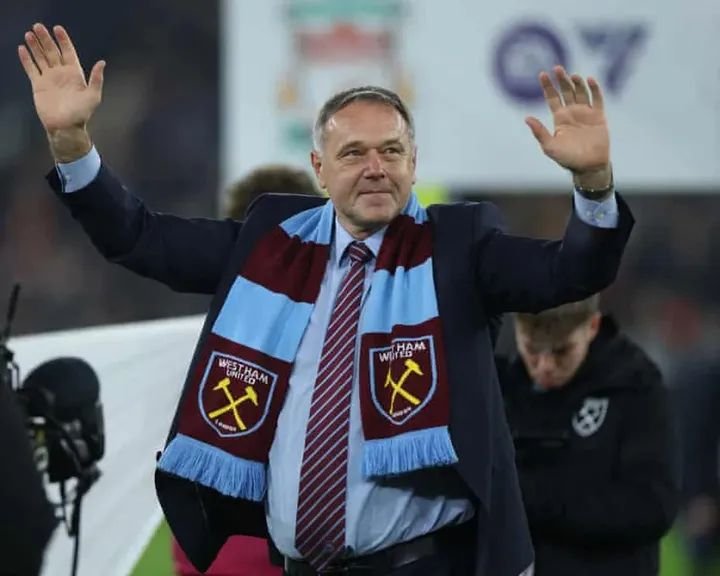
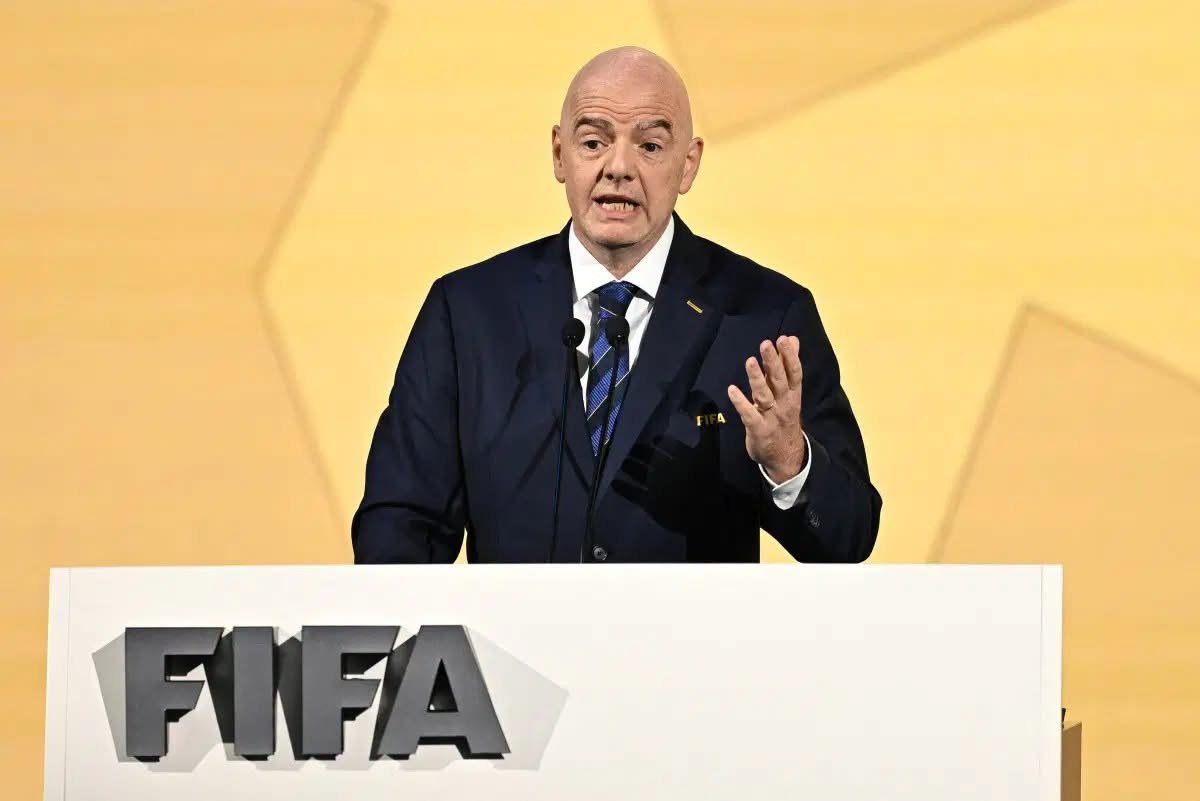
German Football Association (DFB) vice-president Hans-Joachim Watzke has called for FIFA President Gianni Infantino to leave office, intensifying criticism of the FIFA leadership less than six months before the next presidential election.
Watzke made the remarks at an artificial intelligence festival in Berlin on Thursday evening, September 17, 2026, saying Infantino should leave the presidency “no ifs or buts.” The comments were reported by AFP and carried by several international and Nigerian media outlets.
The intervention comes as football authorities continue to debate FIFA’s governance, decision-making processes and the direction of the organisation ahead of the 2027 presidential election.
Watzke Challenges Infantino’s Leadership
Watzke, who is the first vice-president of the DFB and also a member of the UEFA Executive Committee, criticised several decisions and developments associated with Infantino’s presidency. The DFB’s official profile confirms Watzke’s senior role within German football and his responsibilities involving international representation of the country’s professional leagues.
According to AFP’s report, Watzke identified three main issues behind his position.
One was the FIFA Peace Prize introduced by Infantino and awarded to United States President Donald Trump in December 2025 during the draw for the 2026 World Cup.
Watzke questioned the manner in which the award was created and presented, arguing that the FIFA president should not independently introduce such an initiative without broader institutional involvement.
He also criticised FIFA’s handling of a red-card suspension involving United States forward Folarin Balogun during the 2026 World Cup.
According to Watzke’s account, the suspension was subsequently overturned following a phone conversation between Trump and Infantino. Watzke argued that such an intervention raised questions about the independence and consistency of football’s disciplinary processes.
The third issue was FIFA’s short-lived proposal to establish a commercial company that would have opened part of the organisation’s competition-related commercial interests to private investment.
Dispute Over FIFA’s Abandoned Investment Plan
The controversy surrounding FIFA Forward Enterprise has become one of the central issues in the dispute between Infantino and several European football authorities.
FIFA unveiled the proposal in July 2026 as part of an effort to develop a new commercial structure around its competitions. The plan attracted strong opposition from UEFA, CONCACAF and the Asian Football Confederation.
FIFA subsequently abandoned the proposal after the backlash.
The DFB publicly welcomed the withdrawal in August. In an official statement, DFB President Bernd Neuendorf said the attempt to open FIFA competitions to private investors had failed and called for the circumstances surrounding the project to be fully examined.
The disagreement has since expanded beyond the investment proposal into wider questions about transparency, consultation with FIFA’s member associations and the distribution of decision-making authority within the organisation.
DFB Steps Up Its Opposition
Watzke’s comments followed an earlier statement from DFB President Bernd Neuendorf, who also criticised the direction of FIFA under Infantino.
Neuendorf said the relationship between FIFA’s leadership and some European football authorities had been seriously affected by the controversy surrounding the investment proposal.
The DFB has also been among the national associations that did not sign a letter supporting Infantino’s re-election campaign. Channels Television reported that Germany was one of the few federations not to endorse the letter.
The latest criticism therefore represents a continuation of Germany’s publicly expressed concerns rather than an isolated statement from a single football official.
Infantino Has Confirmed His Re-election Bid
Despite the criticism, Infantino has confirmed that he intends to seek another term as FIFA president.
FIFA reported in May that Infantino told the organisation’s 76th Congress in Vancouver that he would be a candidate in the 2027 presidential election.
The election is scheduled for March 18, 2027, at the 77th FIFA Congress in Rabat, Morocco.
Candidates must submit their candidacies by November 18, 2026. FIFA has 211 member associations, with each association entitled to a vote in the presidential election.
As of the latest reports, Infantino remains the only formally confirmed candidate for the presidency, although the possibility of challengers remains part of the ongoing debate within world football.
Growing Debate Over FIFA Governance
The dispute is not limited to Germany.
In recent months, several major football authorities and prominent figures have publicly criticised aspects of Infantino’s leadership.
The French Football Federation, for example, withdrew its support for Infantino’s re-election in September, with its president, Philippe Diallo, citing concerns about transparency and governance.
Reuters has also reported that opposition to Infantino has prompted discussions among some football officials about possible changes to FIFA’s governance structure, including stronger checks on presidential powers and major strategic decisions.
These developments have created a broader debate about how FIFA should balance the authority of its president with the role of its council, continental confederations and national member associations.
However, opposition from individual federations does not automatically determine the result of a FIFA presidential election. The formal election process ultimately involves FIFA’s member associations.
What Watzke’s Intervention Means
Watzke’s comments add another senior European football official to the public criticism of Infantino’s leadership.
The German official’s position is particularly significant because the DFB is one of Europe’s largest football associations and Germany remains an influential member of UEFA.
However, the criticism should be distinguished from a formal decision to remove Infantino from office.
Watzke does not have the unilateral authority to remove the FIFA president. Infantino remains FIFA president and has formally declared his intention to contest the next election.
The latest remarks instead demonstrate the level of disagreement that has emerged between parts of European football and FIFA’s current leadership.
Reuters reported earlier this month that opponents of Infantino were also considering broader governance reforms as the presidential election approaches.
The Election Ahead
The FIFA presidential election will take place in Rabat on March 18, 2027.
The nomination deadline of November 18, 2026, will be an important stage in determining whether Infantino faces a formal challenger.
FIFA’s presidential election process gives member associations the decisive role in choosing the organisation’s president. Public statements from football officials and federations can indicate disagreements within the sport, but they do not themselves determine the eventual election result.
The months before the nomination deadline are therefore likely to remain focused on FIFA governance, possible candidacies and the relationship between FIFA’s leadership and its continental confederations.
What Happens Next
The immediate developments to watch include the November 18 deadline for presidential candidacies and any further decisions by national football associations concerning their positions on the election.
The debate over FIFA’s abandoned investment proposal and broader governance arrangements is also expected to remain relevant as football authorities consider how the organisation should make major commercial and strategic decisions.
For now, Infantino remains FIFA president and has confirmed his intention to seek another term, while Watzke and other critics are publicly calling for a change in leadership.
The outcome will ultimately be determined through FIFA’s established electoral process rather than by individual statements from national football officials.
WENG Global — Stories beyond borders
Sources
- FIFA
- German Football Association (DFB)
- AFP
- Reuters
- Channels Television
- Al Jazeera
- Vanguard
- Punch
- The Guardian