Reported by Weng Patrick Atokor | Journalist at Weng Global
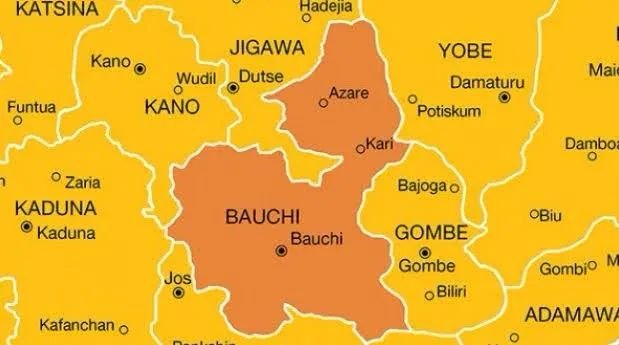
The Bauchi State Government has issued a fresh flood warning to residents, urging communities across the state to avoid building on waterways and to stop dumping refuse into drainage channels as part of efforts to reduce the risk of flooding during the peak of the rainy season.
The warning comes amid increasing rainfall across many parts of Nigeria, with authorities expressing concern that blocked drainage systems and illegal structures erected along natural water channels could worsen flooding and expose lives and property to avoidable danger.
State officials said preventive measures taken by residents and communities would play a crucial role in minimizing the impact of flooding, stressing that disaster management is a shared responsibility between the government and the public.
Government urges residents to act responsibly
The Bauchi State Government appealed to residents living in flood-prone communities to strictly comply with environmental regulations designed to protect lives and infrastructure.
Authorities warned against the construction of residential and commercial buildings on natural waterways, noting that such developments obstruct the normal flow of water and significantly increase the likelihood of devastating floods during heavy rainfall.
Officials also condemned the indiscriminate disposal of waste into drainage channels, describing the practice as one of the leading causes of urban flooding.
According to the government, blocked drains prevent rainwater from flowing freely, causing water to overflow into homes, roads, schools, markets and public facilities.
Residents were advised to properly dispose of household waste through approved waste management systems instead of using gutters and waterways as dumping sites.
Communities urged to clear drainage systems
As part of the flood preparedness campaign, residents have been encouraged to participate in regular environmental sanitation exercises by clearing gutters, culverts and drainage channels around their homes and business premises.
Officials explained that clean drainage systems improve water flow during heavy rains and reduce the possibility of flash floods that often damage homes and public infrastructure.
Community leaders were also encouraged to mobilize residents for collective sanitation activities, particularly in densely populated urban areas where blocked drains are more common.
The government emphasized that simple preventive actions taken before and during the rainy season could save lives and reduce economic losses.
Increased rainfall raises concerns
Meteorological forecasts have indicated that several states across Nigeria may experience above-average rainfall this year, prompting governments at both federal and state levels to intensify public awareness campaigns on flood prevention.
Experts have consistently warned that climate change is contributing to more intense rainfall events, increasing the frequency and severity of floods across many parts of the country.
Nigeria has experienced repeated flooding over the past several years, with thousands of people displaced, homes destroyed, farmland submerged and major roads cut off.
In many cases, environmental experts say the impact of flooding has been worsened by poor urban planning, blocked drainage systems, illegal developments and inadequate waste management.
The Bauchi State Government said residents should take official warnings seriously and avoid activities capable of increasing flood risks.
Building on waterways increases danger
Environmental experts note that waterways serve as natural channels for excess rainwater.
When these channels are blocked by buildings or other structures, water is forced to find alternative paths, often flowing into residential neighbourhoods and commercial areas.
This can result in extensive damage to buildings, bridges, roads and other public infrastructure.
Officials therefore warned developers and property owners against erecting structures within designated floodplains or natural drainage routes.
They stressed that compliance with physical planning regulations remains essential to ensuring sustainable urban development and protecting communities from natural disasters.
Waste disposal remains a major challenge
The government also highlighted improper waste disposal as another significant contributor to flooding.
Plastic bottles, nylon bags, household refuse and construction debris frequently accumulate inside drainage systems, reducing their capacity to carry stormwater.
During periods of heavy rainfall, these blocked drains overflow rapidly, causing floodwaters to spread into nearby communities.
Authorities urged residents to adopt responsible waste disposal habits and support ongoing environmental sanitation programmes.
They also encouraged local government councils to strengthen waste collection services and improve public awareness on environmental cleanliness.
Emergency agencies on alert
Relevant emergency management agencies in Bauchi State have been placed on alert to monitor vulnerable communities and respond promptly to any flood-related emergencies.
Officials said monitoring activities would continue throughout the rainy season, particularly in areas historically affected by flooding.
Residents living near rivers, streams and other flood-prone locations were advised to remain vigilant and pay attention to weather forecasts and official safety advisories.
The government further urged citizens to report blocked drainage systems or emerging flood threats to appropriate authorities for immediate intervention.
Importance of early preparedness
Disaster management experts have repeatedly stressed that early preparedness remains the most effective way to reduce flood-related casualties and economic losses.
Preparedness measures include clearing drainage channels, relocating from high-risk areas where necessary, avoiding construction on waterways and staying informed through official weather updates.
Experts also recommend that communities develop emergency response plans, identify safe evacuation routes and protect important documents and household valuables in case of flooding.
For farmers, early warning information can also help reduce agricultural losses by allowing timely harvesting or relocation of farm equipment and livestock where possible.
Public cooperation essential
The Bauchi State Government reaffirmed its commitment to protecting residents through improved environmental management and disaster preparedness initiatives.
However, officials emphasized that government efforts alone cannot eliminate flooding without the active cooperation of citizens.
Residents were therefore encouraged to obey environmental regulations, participate in sanitation exercises and avoid activities capable of obstructing the natural flow of water.
The government noted that protecting waterways is not only important during the rainy season but also critical for long-term environmental sustainability and public safety.
As rainfall continues across many parts of Nigeria, authorities hope increased public awareness and responsible environmental practices will significantly reduce the impact of flooding and help safeguard lives, livelihoods and public infrastructure in Bauchi State.
Sources
- Bauchi State Government
- Nigerian Meteorological Agency (NiMet)
- National Emergency Management Agency (NEMA)