Reported by Simon yusuph,| Journalist at wengglobal
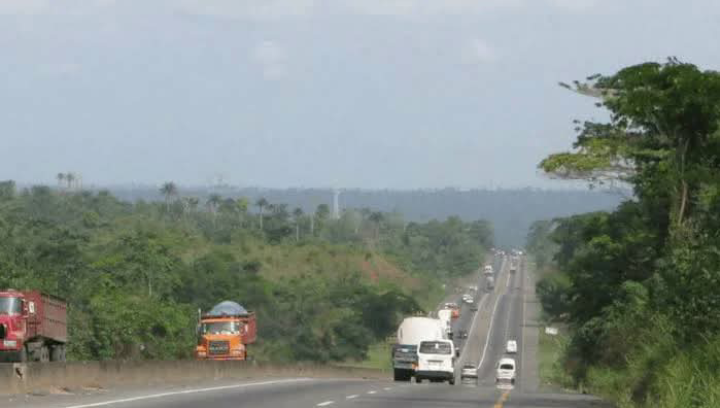
The Federal Government has commenced a comprehensive technical assessment of flood-affected sections of the Benin–Sagamu Expressway as part of renewed efforts to address recurring infrastructure damage, improve road safety, and strengthen the resilience of one of Nigeria’s most strategic transportation corridors.
The assessment, led by the Federal Ministry of Works, comes in response to persistent flooding that has disrupted vehicular movement, damaged road infrastructure, and raised concerns among commuters, transport operators, and businesses that depend heavily on the highway connecting Nigeria’s South-West and South-South regions.
According to the ministry, engineers and technical experts have been deployed to identify the underlying causes of the flooding, evaluate the structural integrity of affected road sections, and recommend sustainable engineering interventions capable of preventing similar incidents in the future.
The Benin–Sagamu Expressway serves as a critical economic artery, linking major commercial cities including Lagos, Benin City, Ore, and several communities across Ogun, Ondo, Edo, Delta, and neighbouring states. Any disruption along the corridor has significant implications for the movement of goods, agricultural produce, petroleum products, and passengers.
Government Prioritises Long-Term Engineering Solutions
Officials of the Federal Ministry of Works explained that the ongoing exercise goes beyond temporary repairs. Instead, the government aims to develop long-term flood management strategies that address drainage deficiencies, erosion challenges, and changing rainfall patterns affecting road infrastructure across the country.
The assessment includes detailed inspections of drainage channels, culverts, embankments, bridges, pavement conditions, and surrounding waterways. Engineers are also examining whether blocked drainage systems, inadequate water channels, nearby developments, or extreme weather conditions contributed to the flooding.
The ministry noted that recommendations from the assessment will guide rehabilitation works and future infrastructure planning, ensuring that investments in federal highways deliver lasting value while improving the safety of motorists.
The government has repeatedly stated that climate-related challenges now require road projects to incorporate stronger resilience measures capable of withstanding increasingly intense rainfall and flooding events witnessed across many parts of Nigeria.
Economic Importance of the Benin–Sagamu Expressway
The Benin–Sagamu Expressway remains one of Nigeria’s busiest federal highways, carrying thousands of commercial vehicles, private motorists, and long-distance buses every day.
The route connects major ports, industrial centres, agricultural zones, and regional markets, making it indispensable to national trade and regional integration.
Flooding along the highway often results in prolonged traffic congestion, increased transportation costs, vehicle damage, delayed deliveries, and heightened accident risks.
Industry stakeholders have consistently urged the government to prioritise permanent solutions rather than periodic emergency repairs that offer only short-term relief.
Transport unions and logistics operators argue that improved road infrastructure would significantly reduce operational costs, facilitate interstate commerce, and support Nigeria’s broader economic development agenda.
Climate Change Intensifying Infrastructure Challenges
Experts say the government’s latest intervention reflects growing recognition of the impact of climate change on public infrastructure.
Nigeria has experienced increasingly unpredictable rainfall, flash floods, and severe erosion in recent years, affecting highways, bridges, farmlands, and urban communities.
The Nigerian Meteorological Agency (NiMet) and the Nigeria Hydrological Services Agency (NIHSA) have repeatedly warned that several states remain vulnerable to flooding during peak rainy seasons, urging governments at all levels to strengthen disaster preparedness and infrastructure resilience.
Infrastructure specialists maintain that road construction must increasingly integrate climate adaptation measures, including improved drainage capacity, stronger embankments, reinforced pavement designs, and effective water management systems.
Such measures, they argue, would reduce maintenance costs over time while protecting critical national assets.
Commitment to Road Safety
The Federal Ministry of Works reaffirmed its commitment to ensuring that federal highways remain safe and motorable throughout the year.
Officials noted that findings from the technical assessment will inform immediate remedial actions where necessary while also shaping future reconstruction projects on vulnerable sections of the expressway.
Motorists have been advised to exercise caution while travelling through affected areas as engineers continue field inspections and maintenance activities.
The ministry added that collaboration with relevant environmental, hydrological, and engineering agencies would enhance the effectiveness of proposed interventions.
Broader Infrastructure Renewal Agenda
The latest assessment aligns with the Federal Government’s wider infrastructure renewal programme aimed at rehabilitating major highways, expanding road networks, and improving connectivity across Nigeria.
Recent investments in road reconstruction, bridge rehabilitation, and drainage improvements reflect increasing emphasis on protecting transport infrastructure against natural disasters and environmental degradation.
Infrastructure analysts believe proactive maintenance and climate-resilient engineering will be essential to safeguarding Nigeria’s expanding road network as weather-related challenges continue to evolve.
For millions of Nigerians who depend on the Benin–Sagamu Expressway for business, travel, and daily economic activities, the government’s intervention represents an opportunity to address a longstanding challenge that has repeatedly disrupted movement and threatened public safety.
The success of the assessment, however, will ultimately depend on the timely implementation of expert recommendations, adequate funding, continuous maintenance, and close coordination among federal and state agencies responsible for infrastructure and environmental management.
As Nigeria continues to modernise its transportation network, stakeholders say investments in resilient infrastructure will remain central to improving economic productivity, enhancing regional connectivity, and protecting lives and property from the growing effects of extreme weather events.
Sources
- Federal Ministry of Works
- News Agency of Nigeria (NAN)
- Nigerian Meteorological Agency (NiMet)
- Nigeria Hydrological Services Agency (NIHSA)
- The Punch
- Premium Times
- Vanguard Newspaper
- The Guardian Nigeria