Reported by Simon yusuph,| Journalist at wengglobal
Nigeria’s former Vice President and presidential candidate of the Peoples Democratic Party (PDP), Atiku Abubakar, has strongly rejected the Presidency’s latest defence of President Bola Ahmed Tinubu’s economic reform agenda, arguing that worsening poverty, rising food prices, and declining living standards contradict official claims that the economy is on the path to recovery.
The renewed exchange between Atiku and the Presidency reflects the growing political and economic debate surrounding the impact of Tinubu’s sweeping reforms, particularly the removal of fuel subsidies and the unification of Nigeria’s foreign exchange market. While the Federal Government insists that the reforms are laying the foundation for long-term economic stability, critics argue that millions of Nigerians are bearing unprecedented hardship with little evidence of immediate relief.
In a statement released through his media office, Atiku dismissed government assurances that the reforms are delivering meaningful benefits, insisting that ordinary Nigerians continue to face severe economic pressure.
According to the former vice president, official narratives celebrating macroeconomic improvements fail to reflect the realities experienced by households across the country, where inflation continues to erode purchasing power and food insecurity remains widespread.
“The true measure of economic success is not statistics presented by government officials but the quality of life of ordinary citizens,” Atiku argued, adding that many families are struggling to afford basic necessities.
Presidency Defends Reform Agenda
The Presidency, however, has maintained that President Tinubu inherited an economy facing deep structural challenges and that difficult policy decisions were necessary to prevent a broader economic collapse.
Government officials have repeatedly defended the administration’s reforms, saying they have restored investor confidence, improved foreign exchange liquidity, increased state revenues, and strengthened public finances.
According to presidential aides, many of the current economic difficulties are temporary consequences of reforms that had long been delayed by successive administrations. They argue that Nigeria is already witnessing encouraging signs, including improvements in external reserves, stronger government revenues, increased capital inflows, and renewed investor interest.
Officials also point to ongoing social intervention programmes designed to cushion the impact of the reforms, including cash transfers, student loans, agricultural support initiatives, and investments in infrastructure.
Atiku Questions Impact on Citizens
Despite these assurances, Atiku insists that the government’s optimism is disconnected from the everyday experiences of Nigerians.
He argued that inflation remains one of the country’s biggest economic threats, with soaring prices of food, transportation, electricity, healthcare, and education placing unbearable pressure on households.
The opposition leader also questioned whether economic growth figures alone can be considered evidence of recovery when unemployment and underemployment remain significant concerns.
According to Atiku, any meaningful assessment of economic reforms must consider whether citizens can feed their families, access healthcare, pay school fees, and maintain decent living standards.
He further warned that persistent food inflation poses risks not only to economic stability but also to national security, as worsening hunger could fuel social unrest if not urgently addressed.
Economic Reality Remains Mixed
Economic analysts note that both sides of the debate highlight different dimensions of Nigeria’s current economic situation.
Since assuming office in 2023, President Tinubu’s administration has implemented some of the country’s most significant economic reforms in decades.
The immediate removal of petrol subsidies sharply increased transportation and production costs, while exchange rate liberalisation led to a substantial depreciation of the naira.
Although international financial institutions, including the International Monetary Fund (IMF) and the World Bank, have broadly welcomed the reforms as necessary for long-term macroeconomic stability, they have also repeatedly stressed the need for stronger social protection programmes to shield vulnerable populations from short-term economic shocks.
Recent inflation figures released by the National Bureau of Statistics continue to show elevated prices across multiple sectors, with food inflation remaining one of the biggest concerns for Nigerian households.
Agricultural production has also faced additional pressures from insecurity in farming communities, climate-related disruptions, high transportation costs, and rising input prices.
These combined factors have contributed to increasing food prices despite government efforts to improve domestic production.
Political Debate Intensifies Ahead of 2027
The latest exchange between Atiku and the Presidency also carries significant political implications as Nigeria gradually moves toward the 2027 general elections.
As one of the country’s leading opposition figures, Atiku has consistently positioned himself as a vocal critic of Tinubu’s economic policies, arguing that the administration has failed to adequately protect vulnerable Nigerians during the reform process.
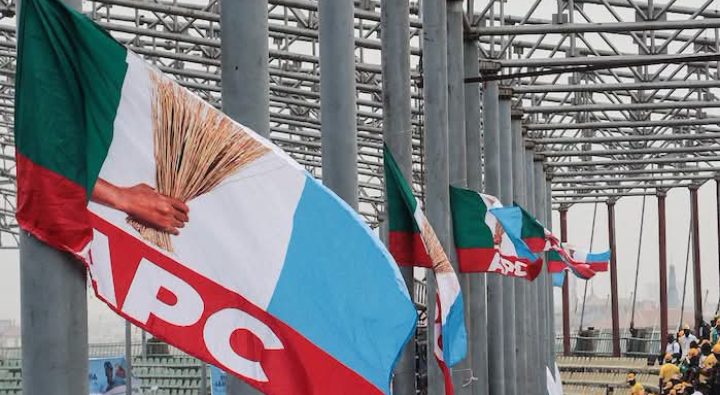
Meanwhile, the ruling All Progressives Congress (APC) maintains that the reforms require patience and that their full benefits will become more visible over time.
Political observers expect economic performance to remain one of the defining issues shaping public discourse over the coming years, particularly as inflation, employment, and food affordability continue to dominate national conversations.
Citizens Await Tangible Improvements
Beyond political disagreements, many Nigerians remain primarily concerned about whether economic conditions will improve in the coming months.
Businesses continue to grapple with higher operating costs, while consumers face shrinking purchasing power amid persistent inflation.
Economists generally agree that structural reforms are often accompanied by short-term pain. However, they caution that sustained public support depends largely on whether governments can deliver visible improvements in employment opportunities, price stability, infrastructure development, and household incomes.
For millions of Nigerians, the success or failure of ongoing reforms will ultimately be measured not by official economic indicators alone but by tangible improvements in daily living conditions.
As debate over the Tinubu administration’s economic direction continues, both government and opposition figures are likely to face increasing scrutiny over their competing visions for addressing Nigeria’s pressing economic challenges.
Sources
- Reuters
- Associated Press (AP)
- Channels Television
- Premium Times
- Punch Newspapers
- Vanguard Newspaper
- National Bureau of Statistics (NBS)
- International Monetary Fund (IMF)
- World Bank