Reported by Simon yusuph,| Journalist at wengglobal
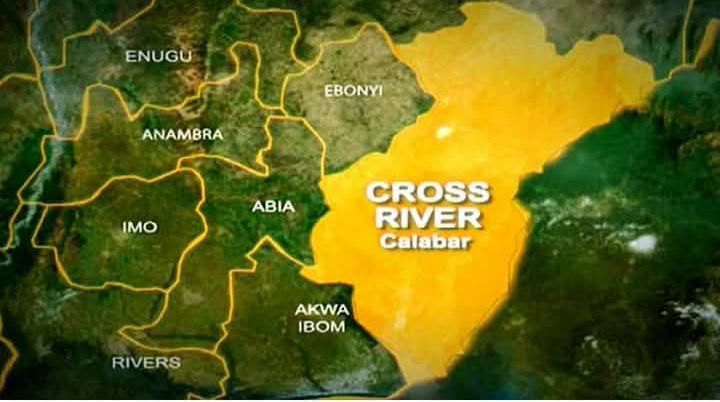
The Cross River State Government has extended its suspension on scrap metal trading and related activities by an additional one month as part of renewed efforts to curb the growing menace of infrastructure vandalism, improve public safety, and strengthen regulatory oversight across the state.
The decision underscores the administration’s determination to protect critical public assets, including electricity installations, telecommunications infrastructure, railway components, water facilities, and other government-owned properties that have increasingly become targets of illegal scrap metal dealers.
State authorities said the extension will provide additional time to implement more comprehensive regulatory measures, identify legitimate operators, and ensure that the scrap metal industry functions within an accountable legal framework that discourages criminal activity.
The extension comes amid growing concerns across Nigeria over the increasing theft and destruction of public infrastructure, with many state governments and security agencies linking the activities of criminal syndicates to the thriving illegal scrap metal market.
Government Intensifies Crackdown
According to the Cross River State Government, the temporary suspension remains a preventive measure designed to disrupt illegal networks involved in the theft and sale of public infrastructure disguised as scrap materials.
Officials explained that while legitimate recycling businesses contribute significantly to environmental sustainability and economic development, the industry has also been exploited by criminals who dismantle public facilities for quick financial gains.
The government emphasized that the extension is not intended to discourage lawful businesses but rather to establish stronger monitoring mechanisms that distinguish genuine operators from those facilitating criminal activities.
Authorities also reaffirmed their commitment to collaborating with security agencies, traditional rulers, community leaders, and licensed operators to create a transparent and well-regulated scrap metal industry capable of supporting economic growth without compromising public safety.
Rising Infrastructure Vandalism Remains a National Challenge
Across Nigeria, infrastructure vandalism has emerged as one of the country’s most persistent security and economic challenges.
Electricity transmission towers, transformers, rail tracks, telecommunications cables, water pipelines, and public buildings have suffered repeated attacks by criminals seeking to profit from the sale of stolen metals.
Industry experts warn that these crimes not only disrupt essential public services but also impose significant financial burdens on governments and utility providers.
The replacement of damaged infrastructure often costs billions of naira annually, diverting public resources that could otherwise be invested in healthcare, education, roads, and other development priorities.
In many communities, vandalized electrical installations have resulted in prolonged power outages, while stolen telecommunications equipment has disrupted digital connectivity for businesses and residents.
The Nigerian Railway Corporation and several electricity distribution companies have repeatedly reported incidents involving the theft of rail components, copper cables, transformers, and other valuable metal equipment.
Why Scrap Metal Regulation Matters
Environmental and recycling experts note that the scrap metal industry remains an important component of Nigeria’s circular economy.
When properly regulated, scrap recycling helps reduce environmental pollution, conserves natural resources, creates employment opportunities, and supplies raw materials for manufacturing industries.
However, weak regulation has enabled illegal operators to purchase stolen government assets without verifying their origins, creating a ready market for criminal activities.
Cross River’s latest decision reflects a broader trend among Nigerian states seeking to tighten controls over the movement, purchase, transportation, and export of scrap metals.
Experts believe that stronger licensing requirements, mandatory documentation, digital tracking systems, and stricter enforcement can significantly reduce infrastructure vandalism while preserving the legitimate recycling sector.
Security Agencies Continue Investigations
Security agencies operating within Cross River State are expected to continue investigations into illegal scrap metal operations during the extended suspension period.
Authorities have reportedly intensified surveillance around critical infrastructure while monitoring warehouses, collection centres, transportation routes, and suspected illegal dealers.
Officials say individuals found violating the government’s directive may face prosecution in accordance with existing laws governing public property destruction, theft, and illegal commercial activities.
Community members have also been encouraged to report suspicious movements involving dismantled public infrastructure or unauthorized scrap metal transactions.
Government officials maintain that public cooperation remains essential in safeguarding vital infrastructure that supports economic development and social services.
Economic Implications of the Extension
While the extension may temporarily affect some businesses operating within the scrap metal value chain, analysts argue that the long-term benefits of protecting critical infrastructure outweigh the short-term commercial disruptions.
Reliable electricity, transportation systems, telecommunications, and public utilities are fundamental to attracting investment and supporting sustainable economic growth.
Business leaders have increasingly emphasized that infrastructure vandalism raises operational costs, discourages investment, and weakens confidence in public institutions.
By addressing illegal scrap trading, the Cross River State Government aims to foster a safer business environment while encouraging responsible recycling practices that comply with regulatory standards.
Industry stakeholders have also called for continuous engagement between government authorities and legitimate operators to ensure that future regulations remain practical, transparent, and supportive of economic activity.
Public Response and Future Outlook
Residents and policy observers have generally welcomed measures aimed at protecting public infrastructure, although some have urged the government to combine enforcement with broader economic initiatives that create employment opportunities for young people.
Analysts note that unemployment and poverty often contribute to the rise of illegal scrap collection, making economic empowerment an important complement to law enforcement efforts.
As the one-month extension takes effect, attention will focus on whether the government introduces new licensing frameworks, operational guidelines, and enforcement mechanisms before lifting the suspension.
Authorities have indicated that the additional period will allow for comprehensive consultations with stakeholders while strengthening monitoring systems capable of preventing future abuses within the sector.
Ultimately, the success of the policy will depend not only on enforcement but also on sustained collaboration among government institutions, security agencies, community leaders, licensed recyclers, and the public.
Cross River’s decision highlights the increasing recognition that protecting critical infrastructure is essential to national development. As Nigeria continues to invest in expanding electricity networks, transportation systems, telecommunications infrastructure, and public utilities, safeguarding these assets against vandalism remains a strategic priority for governments at all levels.
If effectively implemented alongside transparent regulation and stakeholder engagement, the state’s approach could serve as a model for balancing environmental sustainability, economic opportunity, and public security within Nigeria’s evolving scrap metal industry.
Sources
- Cross River State Government official communications.
- News Agency of Nigeria (NAN).
- Punch Newspapers.
- The Guardian Nigeria.
- Premium Times Nigeria.
- Channels Television.