Reported by Weng Patrick Atokor | journalist at wengglobal
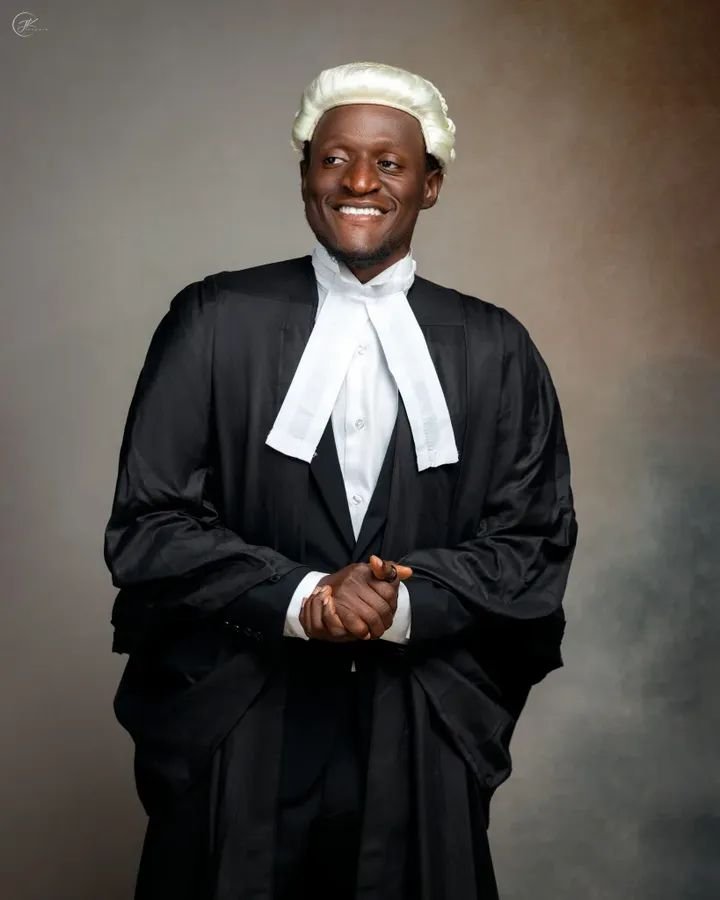
Nigeria has recorded another landmark achievement in the pursuit of inclusion and equal opportunity as Nehemiah Danjuma has been officially called to the Nigerian Bar, becoming the first known deaf lawyer from Northern Nigeria to attain the prestigious qualification.
Danjuma’s remarkable accomplishment has drawn widespread praise from legal professionals, disability rights advocates, educators, and members of the public, who describe the milestone as a powerful demonstration that disability is not a barrier to academic excellence or professional success. His achievement also reinforces the growing call for improved accessibility and equal opportunities for persons with disabilities across Nigeria.
The new lawyer’s journey to the Bar was marked by years of resilience, determination, and a commitment to overcoming communication barriers in a profession where effective communication is central. Throughout his academic career, Danjuma advocated for greater accessibility, including the provision of sign language interpretation during his legal education and professional training.
Graduating from the University of Ilorin before proceeding to the Nigerian Law School, Danjuma successfully completed the rigorous legal training required to qualify as a solicitor and advocate of the Supreme Court of Nigeria. In a recent message shared after receiving his Bar examination results, he described the moment as the culmination of a “seven-year academic marathon” filled with hard work, resilience, prayers, and the continuous fight for accessibility and inclusion.
His success is particularly significant because it represents a major breakthrough for deaf persons in Northern Nigeria, where access to quality education and inclusive learning opportunities remains a challenge for many people living with disabilities.
Observers say Danjuma’s achievement sends a strong message that inclusive education policies can produce exceptional professionals when institutions provide appropriate support. Throughout his legal studies, he received assistance from sign language interpreters and scholarship initiatives that helped bridge communication gaps while enabling him to compete on equal terms with his peers.
Disability rights advocates have welcomed the development, noting that representation in the legal profession is essential for improving access to justice for persons with disabilities. They argue that lawyers who understand the lived experiences of people with disabilities can help advance legal reforms, challenge discrimination, and strengthen the enforcement of disability rights laws.
Nigeria has made progress in promoting disability rights through the Discrimination Against Persons with Disabilities (Prohibition) Act, which seeks to eliminate discrimination and improve accessibility in public institutions. However, advocacy groups continue to argue that implementation remains uneven, with many public buildings, educational institutions, and workplaces still falling short of accessibility standards.
Danjuma has long demonstrated an interest in disability inclusion beyond academics. His professional profile highlights his involvement in advocacy, educational initiatives, and community development aimed at promoting accessibility, sign language acquisition, and equal opportunities for deaf persons. He has also participated in several leadership and fellowship programmes focused on disability rights and public service.
His achievement has inspired many young Nigerians, particularly those living with disabilities, who see his success as evidence that determination, quality education, and institutional support can overcome longstanding barriers.
Across social media, congratulatory messages poured in from lawyers, students, disability advocates, and public figures celebrating his historic accomplishment. Many described him as a role model whose story demonstrates that talent and potential should never be limited by physical or sensory disabilities.
Legal experts also believe Danjuma’s presence within Nigeria’s legal profession could contribute to improved awareness of accessibility issues within courts, legal institutions, and public services. His experience may help encourage wider adoption of inclusive communication practices, including greater availability of sign language interpretation where necessary.
His achievement also highlights the importance of continued investment in inclusive education. Experts argue that expanding access to interpreters, assistive technologies, scholarships, and disability-friendly learning environments will enable more Nigerians with disabilities to pursue careers in law, medicine, engineering, education, and other professions.
For many families raising children with disabilities, Danjuma’s success offers hope that educational aspirations can become reality when barriers are removed and equal opportunities are provided.
As Nigeria continues to pursue greater inclusion across public institutions, Danjuma’s historic call to the Bar stands as a reminder that diversity strengthens the legal profession and society as a whole. His journey reflects not only personal determination but also the growing recognition that every Nigerian deserves an equal opportunity to contribute regardless of disability.
With his admission into the legal profession, Nehemiah Danjuma now joins a new generation of lawyers expected to shape Nigeria’s justice system while serving as an inspiration for future generations of persons living with disabilities.
Sources
- Punch Newspapers
- Nigerian Law School
- University of Ilorin
- Nehemiah Danjuma (LinkedIn)
- university of illorin