Reported by Simon yusuph,| Journalist at wengglobal
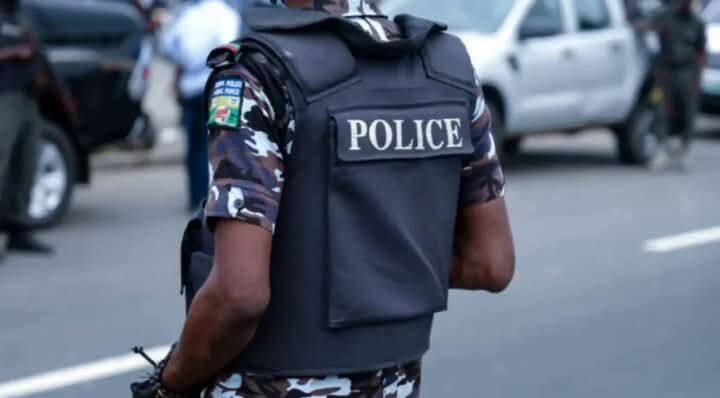
ABUJA, Nigeria Four police officers serving in Nigeria’s Federal Capital Territory (FCT) have been arrested after they allegedly extorted ₦53,000 from the Chairman of the Independent Corrupt Practices and Other Related Offences Commission (ICPC) during a routine stop in Abuja, in an incident that has intensified concerns over persistent police misconduct and corruption within the country’s law enforcement system.
The arrests were confirmed after the incident drew the attention of senior police authorities, prompting an immediate internal investigation that led to the detention of the officers involved. The development has renewed public debate over the effectiveness of ongoing reforms aimed at eliminating extortion, abuse of power, and unethical conduct by police personnel across Nigeria.
According to information released by the Nigeria Police Force, the officers allegedly stopped the ICPC chairman while he was travelling within the Federal Capital Territory and unlawfully obtained ₦53,000 from him. Reports indicate that the officers were unaware of the identity of the individual they were dealing with at the time of the encounter.
Police authorities have described the officers’ actions as a serious violation of professional ethics and operational standards, stressing that disciplinary procedures have commenced. The Force reiterated that extortion, harassment, and abuse of citizens remain unacceptable and that officers found culpable would face the full weight of internal disciplinary mechanisms as well as any applicable criminal proceedings.
The incident has attracted widespread public attention because it involved the head of one of Nigeria’s foremost anti-corruption agencies. However, governance experts argue that the significance extends beyond the identity of the victim. They note that if a senior public official responsible for fighting corruption could allegedly become a victim of police extortion, the experience reflects the challenges ordinary Nigerians may continue to face during routine encounters with some law enforcement personnel.
For years, allegations of unlawful checkpoints, illegal payments, intimidation, and extortion have remained recurring issues affecting public confidence in the Nigeria Police Force. Successive Inspectors-General of Police have repeatedly issued directives prohibiting officers from demanding money from motorists or members of the public, yet complaints continue to surface across different parts of the country.
The latest development comes amid ongoing institutional reforms intended to improve professionalism, accountability, and public trust within the police. Since the nationwide #EndSARS protests in 2020, authorities have pledged stronger oversight mechanisms, improved welfare for officers, enhanced human rights training, and stricter disciplinary measures against personnel found guilty of misconduct.
Despite these commitments, civil society organisations and anti-corruption advocates maintain that sustained enforcement of disciplinary measures remains essential to restoring confidence in policing. They argue that transparent investigations and public disclosure of sanctions imposed on offending officers are critical to demonstrating that misconduct carries real consequences.
The ICPC itself has consistently championed transparency, accountability, and integrity within public institutions. Established under the Corrupt Practices and Other Related Offences Act of 2000, the Commission is mandated to investigate and prosecute corruption-related offences, promote ethical standards in public service, and educate citizens on anti-corruption measures.
Analysts suggest that the alleged extortion of the Commission’s chairman presents an unusual but symbolic reminder that corruption can manifest even in institutions entrusted with enforcing the law. They note that combating corruption requires coordinated efforts across all public institutions, including law enforcement agencies responsible for maintaining public order.
The Nigeria Police Force has repeatedly encouraged citizens to report incidents of extortion and professional misconduct through its official complaint channels. Recent years have also witnessed the introduction of digital complaint platforms and internal monitoring initiatives aimed at strengthening accountability within the Force.
Security experts believe technology could play a greater role in reducing opportunities for roadside extortion. The deployment of body-worn cameras, dashboard cameras, electronic payment monitoring, GPS-enabled patrol systems, and expanded internal surveillance have all been proposed as measures capable of increasing transparency during police operations.
Public reactions following news of the arrests have been mixed. While many Nigerians welcomed the swift action taken against the officers, others argued that the incident reflects a broader systemic challenge requiring deeper institutional reforms rather than isolated disciplinary actions. Many citizens continue to call for improved officer welfare, merit-based promotions, regular ethics training, and stronger civilian oversight to discourage corrupt practices.
Legal experts also emphasize that disciplinary proceedings should be conducted transparently and in accordance with due process. They argue that accountability must be balanced with fairness to ensure confidence in both the disciplinary process and the justice system.
The Police Force has assured Nigerians that investigations into the incident will continue and that appropriate sanctions will be imposed where misconduct is established. Officials further reaffirmed the Force’s commitment to professional policing and urged members of the public not to judge the institution solely by the actions of a few officers.
For anti-corruption advocates, however, the incident underscores the need for sustained vigilance. They argue that Nigeria’s broader anti-corruption campaign depends not only on prosecuting high-profile financial crimes but also on addressing everyday corruption that directly affects citizens during interactions with public officials.
As investigations progress, observers say the outcome of the case will be closely watched as an indication of the Nigeria Police Force’s willingness to enforce accountability within its ranks. The handling of the matter may also influence public perceptions of ongoing efforts to strengthen institutional integrity and restore confidence in Nigeria’s security architecture.
For many Nigerians, the arrest of the four officers represents an important test of the country’s commitment to police reform. Whether the case results in meaningful disciplinary action and broader institutional improvements could shape public trust in both law enforcement and Nigeria’s wider anti-corruption agenda in the months ahead.
Sources
- Nigeria Police Force (Official Statements)
- Independent Corrupt Practices and Other Related Offences Commission (ICPC)
- Premium Times
- Punch Newspapers
- Vanguard Nigeria
- TheCable
- Channels Television
- Daily Trust
Sources
- Nigeria Police Force (Official Statements)
- Independent Corrupt Practices and Other Related Offences Commission (ICPC)
- Premium Times
- Punch Newspapers
- Vanguard Nigeria
- TheCable
- Channels Television
- Daily Trust