Reported by Simon Daniel Yusuph l Journalist at Weng Global
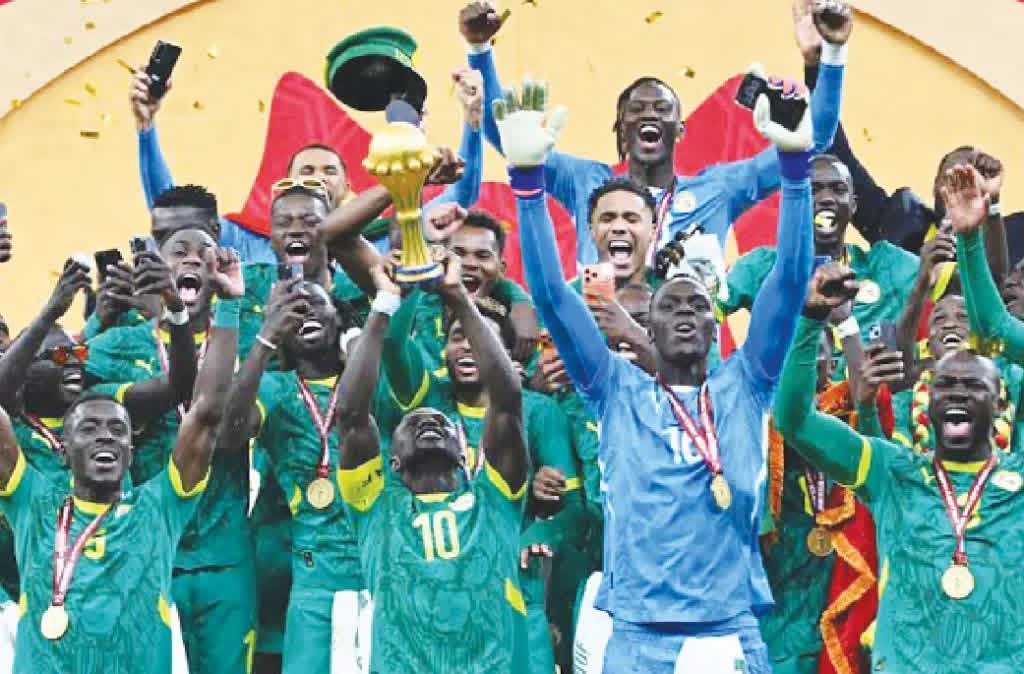
The Confederation of African Football (CAF) has pledged to implement the Court of Arbitration for Sport (CAS) ruling restoring Senegal as the 2025 Africa Cup of Nations champions, bringing a major turn in the prolonged dispute over the tournament final while Morocco prepares to pursue further legal action.
In a statement issued on Tuesday, November 24, 2026, CAF said it respected the decision of the Lausanne-based sports tribunal and would take the necessary steps to give effect to the ruling.
The decision overturns the CAF Appeal Board’s March ruling, which had declared Senegal to have forfeited the final and awarded Morocco a 3-0 victory. CAS instead reinstated the original outcome of the match, confirming Senegal’s 1-0 victory after extra time.
The development restores Senegal’s position as champions of the continental competition, but Morocco’s rejection of the verdict means the dispute may continue through further legal proceedings.
CAF Accepts CAS Decision
CAF’s position followed the publication of the CAS decision on Tuesday.
The African football governing body confirmed that the arbitration panel had set aside the decision of its Appeal Board and reinstated the earlier ruling of the CAF Disciplinary Board.
In its statement, CAF said it respected the CAS award and would take all necessary measures to implement it.
The position represents an acceptance by the continental governing body of the outcome of the appeal brought by the Senegalese Football Federation.
The CAS ruling confirmed Senegal as winners of the TotalEnergies CAF Africa Cup of Nations Morocco 2025, with the final result remaining 1-0 in their favour.
CAF’s commitment to implement the decision is significant because the organisation had previously upheld a different outcome through its Appeal Board, awarding the championship to Morocco in March.
The latest development therefore reverses the administrative outcome that had temporarily changed the identity of the tournament winners.
Why CAS Restored Senegal’s Victory
At the centre of the dispute was the conduct of the final between Senegal and Morocco, played on January 18, 2026, at the Prince Moulay Abdellah Stadium in Rabat.
Senegal initially won the match 1-0 after extra time, securing what would have been the country’s second Africa Cup of Nations title.
However, the final became controversial during stoppage time after referee Jean-Jacques Ngambo Ndala awarded Morocco a penalty following a Video Assistant Referee review.
The penalty decision came shortly after a Senegal goal had been disallowed, triggering protests from the Senegalese players and officials.
Senegal’s coach, Pape Thiaw, instructed his players to leave the pitch in protest. The players remained away for approximately 14 minutes before returning, allowing the match to continue.
Morocco’s Brahim Díaz failed to convert the penalty, while Senegal’s Pape Gueye later scored the decisive goal in extra time.
The result initially stood, but Morocco subsequently challenged the circumstances surrounding the temporary withdrawal of Senegal’s players.
The dispute moved through CAF’s disciplinary structures, eventually resulting in a decision that stripped Senegal of the victory.
How CAF Awarded Morocco the Title
On February 11, 2026, CAF’s Disciplinary Board issued its initial decision on the incidents surrounding the final.
The matter later proceeded to the CAF Appeal Board following an appeal by Morocco.
On March 17, the Appeal Board ruled that Senegal had forfeited the final under Articles 82 and 84 of the Africa Cup of Nations regulations.
It consequently recorded the match as a 3-0 victory for Morocco.
That decision effectively transferred the championship from Senegal to the North African country, despite Senegal having won the match on the pitch.
Senegal rejected the ruling and appealed to CAS on March 25, asking the international sports tribunal to overturn CAF’s decision and recognise the original result.
The appeal placed the interpretation of the tournament regulations and the referee’s authority to resume the match at the centre of the legal dispute.
CAS Explains Its Decision
In its decision announced on November 24, CAS upheld Senegal’s appeal and reinstated the CAF Disciplinary Board’s earlier decision.
The tribunal examined whether the referee’s decision to resume play after Senegal’s players returned to the pitch could be reviewed under the applicable football regulations.
According to the CAS media release, the panel considered that the referee’s decision to resume or stop the match fell within his sole authority.
It noted that both teams had returned to the pitch and expressed their willingness to continue before the referee restarted the game.
The tribunal also considered the principle known as the ‘field of play’ doctrine, which generally protects decisions made by match officials within the sporting conduct of a game from being overturned through legal review.
CAS concluded that Articles 82 and 84 of the AFCON regulations were intended to determine the outcome of a match when a team’s conduct led the referee to abandon the game permanently.
Because the referee had allowed the match to resume and it was completed, the panel found that those provisions did not apply in the circumstances.
The tribunal consequently ruled that the referee had not committed an error of law by restarting the match.
The decision was unanimous.
CAS also noted that the Senegalese Football Federation, coach Pape Thiaw and certain players had already received sanctions from CAF through separate disciplinary proceedings.
This distinction is important: restoring Senegal’s result does not mean that all disciplinary consequences arising from the final have been cancelled.
Morocco Rejects the Verdict and Plans Further Legal Action
Despite the ruling, the Royal Moroccan Football Federation (FRMF) has rejected the outcome and announced plans to challenge the decision through available legal channels.
In a statement issued on Tuesday, the Moroccan federation said it intended to initiate the necessary legal proceedings to contest the CAS verdict.
The FRMF also raised concerns about an alleged contact between Senegalese Football Federation president Abdoulaye Fall and German arbitrator Ulrich Haas, one of the members of the CAS panel, shortly before the decision was announced.
Morocco argued that the alleged contact raised questions about the integrity of the arbitration process and should have been considered in the proceedings.
However, the allegation has been denied by the Senegalese federation.
According to Reuters, a spokesperson for the Senegalese Football Federation rejected the claim, while CAS said Haas strongly denied having direct contact with any of the parties involved in the case.
The allegation remains disputed and should not be treated as an established finding of misconduct.
Morocco’s decision to pursue further legal action means the disagreement over the final may continue beyond Tuesday’s announcement.
What Further Legal Action Could Mean
The Court of Arbitration for Sport is a major international institution responsible for resolving disputes involving sports organisations, athletes and governing bodies.
Its decisions are generally binding on the parties involved, although challenges may be possible on limited legal grounds.
Reuters reported that Morocco could take its challenge to Switzerland’s Federal Supreme Court, the court with jurisdiction to hear an appeal against a CAS award.
Such proceedings would not amount to a routine reconsideration of the football match or a fresh sporting decision. Challenges to CAS awards before the Swiss Federal Supreme Court are restricted to specific grounds under Swiss law.
The Moroccan federation’s announcement therefore does not automatically suspend or reverse the CAS decision.
For now, CAF has stated that it will implement the award, while the legal options available to Morocco remain a separate matter.
CAS also said it had communicated the full grounds of its decision to the parties. The tribunal indicated that the complete award could be published later, provided none of the parties requested confidentiality.
Senegal’s Position and the Importance of the Decision
The ruling is a major development for Senegalese football, restoring the result achieved by the national team in Rabat and confirming the country’s status as 2025 continental champions.
It also brings an important legal dimension to the debate over the authority of referees during football matches.
The decision reinforces the distinction between disciplinary responsibility and decisions made by match officials in the course of a game.
Although teams and players remain subject to tournament rules and disciplinary sanctions, CAS determined that the referee’s decision to resume the final could not be overturned in the manner pursued by Morocco.
For Senegal, the ruling represents the reversal of a decision that had taken away a title won on the pitch.
For Morocco, it is a setback after the country had been recognised as champions following CAF’s March decision.
The disagreement also places CAF’s disciplinary and appeals processes under scrutiny, particularly concerning how competition regulations are interpreted when controversial incidents occur during major international matches.
Implications for African Football
The dispute has attracted attention beyond Senegal and Morocco because of its implications for the credibility of African football administration.
CAF is responsible for organising major continental competitions and enforcing their regulations. Its decisions affect national associations, players, coaches, supporters and the wider reputation of African football.
The reversal of its Appeal Board decision by CAS highlights the importance of clear regulations, consistent disciplinary procedures and confidence in independent dispute resolution.
It also demonstrates why football governing bodies must carefully distinguish between incidents that require disciplinary action and decisions that fall within the authority of match officials.
The final’s controversy exposed the difficulty of applying competition regulations to an unusual situation in which players temporarily left the pitch but later returned and completed the match.
CAS’s ruling provides a legal interpretation of the provisions involved in this particular dispute. It does not remove the need for teams to comply with competition rules or prevent governing bodies from imposing appropriate disciplinary sanctions.
The matter may also encourage football administrators to review how similar incidents are addressed in future competitions to reduce uncertainty and avoid prolonged disputes over results.
What Happens Next?
CAF is expected to take the necessary administrative steps to implement the CAS award, in line with its public commitment.
Morocco, meanwhile, has announced its intention to pursue further legal procedures against the decision. Any challenge before Switzerland’s Federal Supreme Court would be subject to the limited grounds available for reviewing CAS awards.
The immediate position, however, is clear: CAS has restored Senegal’s 1-0 victory, and CAF has pledged to implement the ruling.
The full legal reasoning may receive further public attention when the complete arbitral award becomes available.
For African football, the next priority will be ensuring that the dispute does not further damage relations between the two national football communities or undermine confidence in the continent’s competitions.
The outcome has restored Senegal’s championship, but the disagreement between the football authorities in Senegal and Morocco remains unresolved.
Weng Global – stories beyond borders
Sources
- Court of Arbitration for Sport (CAS) – Official media release, November 24, 2026.
- Confederation of African Football (CAF) – Statement on implementation of the CAS award.
- Reuters – Reporting on Senegal’s reinstatement and Morocco’s planned legal challenge.
- Punch – Reporting on CAF’s commitment to implement the ruling.
- 3News – Reporting on Morocco’s rejection of the verdict and announced legal action.