Reported by Simon Daniel Yusuph l Journalist at Weng Global
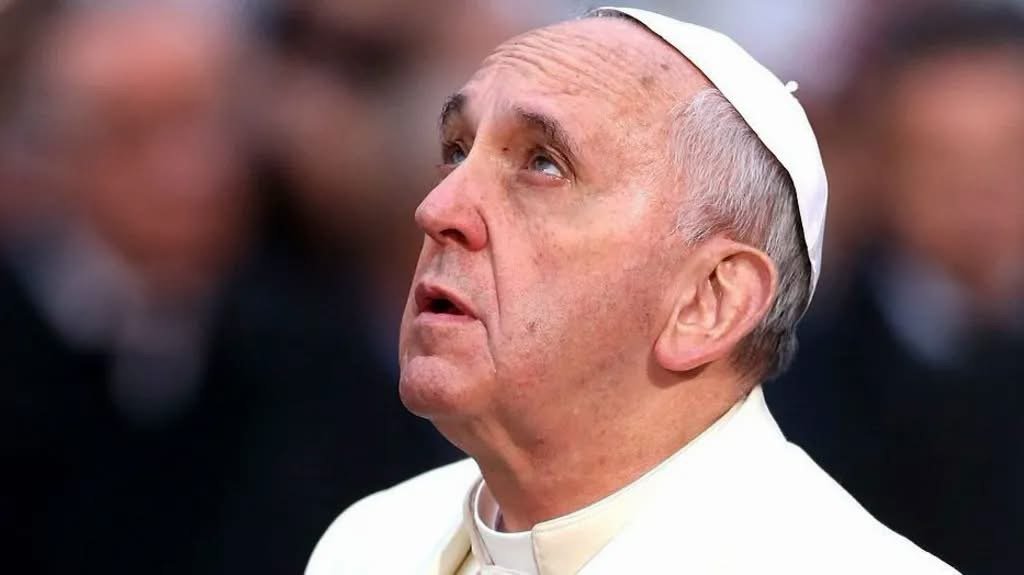
Pope Francis, the late leader of the Catholic Church, documented what he described as three encounters with the devil, a terrifying vision of the gates of hell and a prolonged period of spiritual struggle in his private diaries, excerpts of which have been published in a new book released on Tuesday, November 24, 2026.
The revelations appear in The Private Diary of Pope Francis, a collection of selected passages from a personal journal the former pontiff maintained between 1992 and August 2024.
The diary offers an unusually intimate account of the late pope’s spiritual experiences, fears, personal regrets and struggles with the responsibilities of religious leadership.
The book was compiled and contextualised by Cardinal Víctor Manuel Fernández, one of Francis’ close collaborators and the head of the Vatican’s Dicastery for the Doctrine of the Faith.
According to reports by the Associated Press, Reuters and other international media organisations, the publication reveals that Francis believed he had experienced three physical encounters with the devil at different stages of his life. He also recorded a disturbing experience in June 2018, when he wrote that he had seen the entrance to hell.
The accounts are presented as Francis’ personal spiritual experiences and reflections, rather than independently verifiable supernatural events.
Three Encounters Francis Believed Were Real
One of the most striking sections of the diary concerns three episodes in which Francis said he believed the devil had appeared to him physically.
Two of the experiences reportedly occurred during his years in Buenos Aires, Argentina, before his election as pope in 2013.
In his writings, Francis recalled seeing a frightening figure through the window of a car while travelling home. He described the figure’s eyes as threatening and difficult to forget.
The second encounter reportedly took place inside a Carmelite chapel, where he said he saw a figure with what he described as flaming eyes.
The third experience occurred in Rome after his controversial visit to Chile in January 2018.
In an entry dated January 24, 2021, Francis recalled attending a meeting after returning from the Chile trip, during which he believed he saw and heard the devil.
He described the voice as triumphant and associated it with the impression that evil had achieved its objectives.
The diary indicates that these experiences remained deeply significant to him, particularly during periods when he felt spiritually vulnerable.
Francis interpreted the episodes through his Catholic faith, describing them as part of a continuing struggle between spiritual good and evil.
The publication does not establish that the encounters occurred as objective physical events. Instead, it provides insight into how the former pope understood and recorded experiences that affected his spiritual life.
The 2018 Vision of the Gates of Hell
Another significant revelation concerns an entry dated June 7, 2018, in which Francis wrote about seeing what he described as the entrance to hell.
The experience came during a difficult period for the Catholic Church, particularly following revelations about the handling of clerical sexual abuse allegations in Chile.
Francis had travelled to Chile in January 2018, where his public defence of Bishop Juan Barros generated widespread criticism.
Barros had been accused by victims of having knowledge of abuse committed by the Chilean priest Fernando Karadima. Francis initially defended the bishop and questioned the credibility of the accusations.
However, after journalists challenged him during his return flight to Rome, Francis commissioned an investigation into the allegations.
The investigation subsequently exposed serious failures in the handling of abuse cases within the Chilean Church hierarchy.
The revelations forced the pope to confront the seriousness of the scandal and the suffering of victims who had previously felt ignored or disbelieved.
In his diary, Francis connected his distress over the situation to his vision of the gates of hell.
He described the experience as frightening and recalled reaching for his rosary, which he regarded as a source of spiritual protection.
His writings expressed shame and sorrow over the damage the scandal had caused the Catholic Church.
The episode provides an important insight into how deeply the Chilean abuse crisis affected him, particularly after he recognised that his earlier assessment of the allegations had been wrong.
A Two-Year Spiritual Crisis Between 2021 and 2022
Beyond the accounts of supernatural encounters, the diary reveals that Francis experienced what Cardinal Fernández described as a profound spiritual crisis between 2021 and 2022.
The period was associated with the difficulties of exercising authority, managing Church affairs, making important decisions and confronting personal weaknesses.
According to Fernández, the crisis involved questions about power, pride, spiritual exhaustion and the temptation to exercise authority in an excessive manner.
The cardinal described it as one of the most difficult spiritual experiences of Francis’ life.
The diary suggests that the former pope struggled with the responsibilities attached to his position and the possibility that his decisions could negatively affect other people.
The experience also involved feelings of spiritual dryness, isolation and discouragement.
Francis had previously acknowledged that leadership could expose weaknesses in a person’s character. His diary appears to show how seriously he considered the moral and spiritual responsibilities associated with exercising power.
By December 30, 2022, however, his reflections suggested that he had found a way through the crisis by placing his trust in God and accepting divine mercy.
The account presents a side of the papacy that was largely hidden from public view: the internal struggles of a religious leader responsible for guiding a global institution.
The Diary Reveals Francis’ Personal Regrets
The published writings also contain moments of self-criticism in which Francis reflected on his shortcomings and behaviour towards other people.
He reportedly acknowledged experiencing feelings of pride, envy and disdain, showing that his private reflections were not limited to spiritual visions or the responsibilities of the papacy.
One entry also recalled an occasion when he ignored a man who approached him on the street because he wanted to enjoy some peace and quiet.
The episode illustrates the degree to which Francis examined his everyday conduct and considered the difference between his public responsibilities and personal impulses.
Rather than presenting himself as free from weaknesses, the diary reveals a man who repeatedly questioned his decisions and sought to understand his failures.
These reflections are significant because Francis frequently spoke publicly about humility, compassion, forgiveness and the importance of recognising human imperfections.
The diary provides additional context to those teachings by showing how he attempted to apply similar standards to himself.
Cardinal Fernández Explains Why the Diary Was Published
Cardinal Víctor Manuel Fernández played a central role in bringing the writings to public attention.
Fernández, an Argentine theologian and one of Francis’ trusted aides, explained that the former pope had shown him the diary and indicated that its reflections could eventually be shared for the benefit of others.
Following Francis’ death on April 21, 2025, Fernández became concerned that the personal writings might remain inaccessible and eventually be forgotten.
He subsequently approached Pope Leo XIV about the possibility of publishing selected passages.
According to reports on the book’s release, Leo XIV approved the publication.
Fernández selected and organised passages from the diary, adding explanations and context to help readers understand the former pope’s experiences.
The published collection is not the complete original diary. Some confidential passages were reportedly written in a code that could not be deciphered, while other material was omitted to protect the privacy of third parties.
This means the book provides selected insights into Francis’ private life rather than a comprehensive record of every reflection he made.
The publication is particularly notable because private diaries of serving or former popes rarely become publicly available in such an intimate form.
Francis Also Reflected on Pope Leo XIV
The diary contains a positive assessment of Robert Prevost, who later became Pope Leo XIV following Francis’ death.
Francis reportedly described Prevost as a generous missionary, a great pastor and an irreproachable man.
The assessment offers an insight into the late pope’s view of the man who would eventually succeed him.
It also provides a connection between the two pontificates, particularly as Leo XIV approved the release of the selected diary passages.
The publication therefore extends beyond Francis’ personal spiritual experiences to include reflections on people he encountered during his years in Church leadership.
Why the Revelations Matter to the Catholic Church
The publication of Francis’ private reflections is significant for several reasons.
First, it offers Catholics and other readers a more personal understanding of a pope whose public ministry was often associated with humility, social inclusion, compassion and calls for reform.
His accounts of spiritual struggles show that he viewed religious leadership not simply as an institutional responsibility but also as a demanding personal and moral journey.
Second, the diary revisits the Chilean clerical abuse scandal, one of the most damaging controversies of his pontificate.
Francis’ reflections reveal the shame and distress he experienced after recognising the seriousness of the allegations and the consequences of his initial response.
The episode also highlights the importance of listening to victims, investigating allegations carefully and ensuring that religious institutions are accountable for failures involving abuse.
Third, the publication provides an opportunity to examine the emotional and spiritual pressures that can accompany leadership within major religious institutions.
Francis’ reflections on power, pride and personal responsibility may also resonate beyond the Catholic Church, particularly among people occupying positions of authority.
For religious communities, the writings offer a reminder that faith leaders can experience doubt, fear and personal struggles even while carrying significant public responsibilities.
A Lasting Record of Francis’ Inner Life
Pope Francis died on April 21, 2025, at the age of 88, after leading the Catholic Church for more than 12 years.
Born Jorge Mario Bergoglio in Argentina, he became the first pope from Latin America and the first Jesuit to occupy the papacy.
His pontificate was marked by efforts to make the Church more attentive to people on the margins of society, as well as debates over doctrine, institutional reform, migration, poverty and the treatment of vulnerable communities.
The newly published diary adds another dimension to his legacy by documenting personal experiences that were not widely known during his lifetime.
Its accounts of the devil, the gates of hell and a two-year spiritual crisis reveal the private concerns of a religious leader who regularly spoke about the power of prayer and the need for spiritual discipline.
The publication also raises questions about how much of a public figure’s private life should become part of the historical record after death.
For now, the selected writings provide readers with a rare opportunity to examine Francis’ own reflections on faith, responsibility, personal weakness and the challenges of leading one of the world’s largest religious institutions.
The book does not present a new official Church doctrine about supernatural encounters. Rather, it records the late pope’s personal interpretation of experiences that shaped his spiritual life.
What Happens Next?
The publication of The Private Diary of Pope Francis is expected to bring renewed attention to his personal writings and the spiritual experiences he documented over more than three decades.
Released in several languages and markets, the book gives Catholics, historians, religious scholars and the wider public additional material for understanding his life and pontificate.
Further examination of the selected passages may also contribute to discussions about Francis’ leadership, the Church’s handling of abuse scandals and the spiritual pressures associated with religious authority.
Ultimately, the diary presents a more private portrait of the late pope: one shaped not only by public leadership and religious teaching but also by fear, regret, self-examination and an enduring reliance on faith.
Weng Global – stories beyond borders
Sources
- Associated Press – Reporting on Pope Francis’ private diary and the Chilean clerical abuse scandal, November 24, 2026.
- Reuters – Reporting on the publication of Francis’ diary and his spiritual crisis, November 24, 2026.
- The Guardian – Reporting on the diary’s revelations about the gates of hell and the clerical abuse scandal, November 24, 2026.
- Agence France-Presse – Reporting on the three encounters with the devil described in the diary, November 24, 2026.
- America Magazine – Background on the diary, Cardinal Fernández’s role and Francis’ spiritual reflections.