Reported by Simon Daniel Yusuph l Journalist at Weng Global
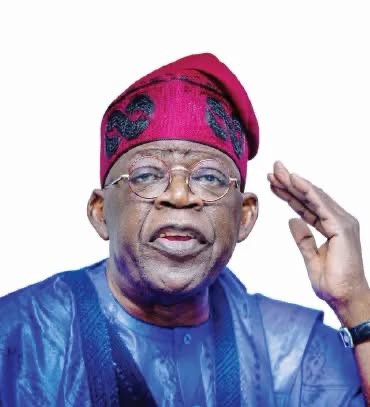
President Bola Ahmed Tinubu returned to Nigeria in 1998 following the death of former military Head of State, General Sani Abacha, despite reservations among some members of the National Democratic Coalition (NADECO) about the political situation in the country, according to revelations in a new book by journalist and author Sam Omatseye.
The account provides additional insight into Tinubu’s return from exile after years of opposition to military rule and his involvement in the pro-democracy movement that challenged the military government during the struggle for the restoration of democratic governance in Nigeria.
According to the account attributed to Omatseye’s historical research, Tinubu’s decision to return followed Abacha’s death on June 8, 1998, an event that significantly changed Nigeria’s political landscape and opened a new phase in the country’s transition towards civilian government.
The book reportedly examines how Tinubu favoured returning home despite concerns among some of his political associates about the intentions of the new military administration led by General Abdulsalami Abubakar.
One of the personal considerations attributed to Tinubu was his desire to reunite with his mother after spending years away from Nigeria.
Tinubu’s Return After Years in Exile
Tinubu’s return to Nigeria came after years of political opposition to the military establishment, particularly during the administrations of Generals Ibrahim Babangida and Sani Abacha.
The former Lagos State governor was among prominent political figures associated with the pro-democracy struggle that followed the annulment of the June 12, 1993, presidential election, widely believed to have been won by the late Chief Moshood Kashimawo Olawale Abiola.
Following the intensification of military repression, several opposition figures left Nigeria and continued their political activities from abroad.
Tinubu became associated with NADECO, a coalition that campaigned for the restoration of democratic government and challenged the legitimacy of military rule.
The organisation brought together politicians, activists and other prominent Nigerians who opposed the military government’s refusal to recognise the democratic mandate associated with the June 12 election.
During his years outside Nigeria, Tinubu remained involved in political activities aimed at pressuring the military government to restore democratic governance.
Abacha’s death in June 1998, however, created a new political situation that forced opposition figures to reconsider their strategies.
NADECO Members Divided Over Returning to Nigeria
The account in Omatseye’s book highlights differences among members of the pro-democracy movement over whether it was safe or politically advisable to return to Nigeria following Abacha’s death.
Although the emergence of General Abdulsalami Abubakar as the new Head of State raised expectations of a possible transition to civilian rule, some opposition figures remained cautious.
Their concerns reportedly centred on the military’s intentions, the composition of the new administration and whether the change in leadership would genuinely produce democratic reforms.
Tinubu’s reported decision to return despite those reservations reflected a willingness to participate in the unfolding political process rather than remain outside the country.
The debate was significant because the opposition movement had spent years confronting successive military administrations and had little reason to accept assurances of political reform without scrutiny.
The change in leadership after Abacha’s death therefore presented NADECO members with a difficult decision: whether to continue opposing the military from abroad or return home and participate in the emerging transition.
Desire to Reunite With His Mother
One of the personal details highlighted in the account concerns Tinubu’s reported desire to return to Nigeria to see his mother.
After spending several years away from home, the former Lagos governor reportedly expressed a strong wish to reunite with her.
The personal consideration reportedly featured during discussions among members of the pro-democracy movement about whether to return to Nigeria.
The account offers a human dimension to what was otherwise a major political decision involving the future of opposition politics and Nigeria’s democratic transition.
However, the personal motivation should be understood as an account attributed to the historical narrative rather than evidence that family considerations were the only reason behind Tinubu’s return.
Abacha’s Death Changed Nigeria’s Political Direction
General Sani Abacha died on June 8, 1998, while serving as Nigeria’s Head of State.
His death brought an abrupt end to a military administration widely criticised for political repression, restrictions on democratic freedoms and its handling of the struggle surrounding the annulled June 12 election.
General Abdulsalami Abubakar subsequently assumed leadership of the country.
His administration introduced a transition programme that eventually led to the restoration of civilian government on May 29, 1999.
The transition also created opportunities for politicians who had been in exile to return and participate in the emerging democratic system.
Tinubu’s return formed part of this wider political development.
He subsequently became a central figure in Nigeria’s Fourth Republic, first as a senator representing Lagos West and later as governor of Lagos State from 1999 to 2007.
His political influence continued to expand through party politics, political alliances and the formation of coalitions that eventually contributed to the establishment of the All Progressives Congress (APC).
Omatseye’s Book Examines Tinubu’s Political Journey
Omatseye is a Nigerian journalist, essayist and Chairman of the Editorial Board of The Nation newspaper.
His earlier book, Beating All Odds: Diaries and Essays on How Bola Tinubu Became President, examined the political developments surrounding Tinubu’s emergence as Nigeria’s president in the 2023 general elections.
The book was unveiled in Abuja on March 12, 2024, at the Shehu Musa Yar’Adua Centre.
The latest book account reportedly broadens the historical examination of Nigerian politics by tracing developments from the return to civilian rule in 1998 through subsequent political realignments and the eventual emergence of the APC.
A report by The Nation describes the new 625-page volume as a historical account covering major political developments between 1998 and 2015.
According to the publication, Omatseye said he spent close to two and a half years working on the book and interviewed more than 25 individuals.
The research reportedly draws substantially on firsthand accounts and personal recollections from individuals who participated in or witnessed important political developments during the period.
The book also examines the political relationships, negotiations and strategic decisions that shaped the country’s Fourth Republic.
Tinubu’s Political Evolution After Returning Home
Tinubu’s return to Nigeria in 1998 marked the beginning of a new phase in his political career.
He contested and won a Senate seat representing Lagos West in the short-lived Third Republic before the military takeover of November 1993 disrupted democratic governance.
Following his return, he became one of the prominent figures in the political transition that produced the Fourth Republic.
In 1999, he was elected governor of Lagos State under the Alliance for Democracy (AD), serving two consecutive terms until 2007.
His administration became associated with efforts to strengthen Lagos State’s internally generated revenue, expand infrastructure and establish a stronger political structure.
After leaving office, Tinubu remained influential in opposition politics and played important roles in political negotiations that eventually contributed to the formation of the APC in 2013.
The party went on to defeat the Peoples Democratic Party in the 2015 presidential election, marking the first time an opposition party successfully displaced an incumbent ruling party at the federal level through an election.
Tinubu eventually secured the APC presidential ticket and won the 2023 general election, becoming Nigeria’s president.
Why the Historical Account Matters
Omatseye’s account provides an opportunity to revisit an important period in Nigeria’s political history, particularly the transition from military rule to democratic governance.
The circumstances surrounding the return of opposition politicians after Abacha’s death remain relevant to understanding how political alliances and individual decisions shaped the Fourth Republic.
Tinubu’s reported decision to return despite reservations among some NADECO associates also illustrates the different calculations made by opposition figures during the transition.
For students of Nigerian politics, historians and political observers, such accounts offer additional perspectives on the relationships and decisions that influenced the country’s democratic development.
However, historical narratives involving prominent political figures should also be examined critically, particularly where accounts depend on personal recollections and interviews conducted many years after the events.
Independent documentation and perspectives from other participants remain important in establishing a comprehensive understanding of the period.
What Happens Next?
Omatseye’s latest historical publication is expected to contribute to ongoing discussions about Nigeria’s democratic transition, the activities of NADECO and the political evolution of prominent figures in the Fourth Republic.
The account of Tinubu’s return from exile also provides another perspective on the events that preceded his emergence as one of Nigeria’s most influential political figures.
As more details from the book become available, further examination of the accounts and historical evidence could help readers understand the political calculations, personal relationships and circumstances surrounding the country’s return to civilian government in 1999.
For now, the central revelation is that Tinubu reportedly chose to return to Nigeria after Abacha’s death despite reservations among some members of the pro-democracy movement, with his desire to reunite with his mother featuring in the account.
Weng Global – stories beyond borders
Sources
- The Nation – Reporting on Sam Omatseye’s latest book and its historical account of Nigerian politics.
- The NEWS – Historical interview with Bola Tinubu concerning his activities in exile and return after Abacha’s death.
- TheCable – Historical reporting on Tinubu’s return from exile and his political journey.
- The State House, Abuja – Official information on the publication and presentation of Omatseye’s 2024 book.