Reported by Simon yusuph,| Journalist at wengglobal
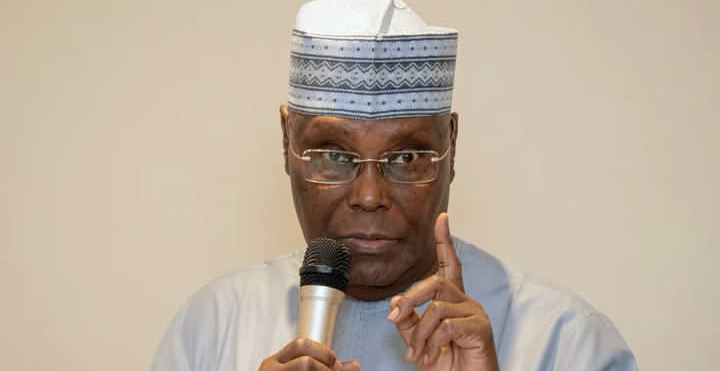
Former Vice President Atiku Abubakar has reaffirmed his decision to oppose former President Olusegun Obasanjo’s controversial third-term agenda, declaring that he has “no apology” for choosing constitutional democracy over personal loyalty.
Atiku’s remarks come amid renewed public debate over Nigeria’s democratic evolution and the defining political events that shaped the country’s Fourth Republic. Responding to recent discussions surrounding the failed constitutional amendment that sought to extend Obasanjo’s tenure beyond the constitutionally permitted two terms, the former vice president insisted that his actions were guided by principle rather than political ambition.
According to Atiku, history has vindicated his decision to stand against any attempt to undermine Nigeria’s constitutional order, even when doing so strained his long-standing political relationship with Obasanjo.
“I have no apology for stopping the third-term bid. Faced with a choice between loyalty to one man and loyalty to the Constitution and democracy, I chose democracy,” Atiku said.
Defending Democratic Principles
The former vice president argued that preserving constitutional governance was essential to safeguarding Nigeria’s democratic future. He maintained that no elected leader should be allowed to alter constitutional term limits for personal political gain.
The third-term controversy remains one of the most consequential political episodes in Nigeria’s democratic history. During Obasanjo’s second term in office, efforts to amend the 1999 Constitution generated intense national debate amid allegations that the proposed changes would pave the way for him to seek another term as president.
Although supporters of the amendment argued that broader constitutional reforms were needed, critics maintained that the proposal was primarily designed to extend the president’s stay in office.
Ultimately, the constitutional amendment failed in the National Assembly in 2006 following widespread opposition from lawmakers, civil society organisations, political leaders and pro-democracy advocates.
Atiku Reflects on Political Fallout
Atiku acknowledged that opposing the third-term agenda came with significant personal and political consequences. His relationship with Obasanjo deteriorated sharply during the period, culminating in a highly publicised political rift that reshaped Nigeria’s political landscape.
Despite the fallout, Atiku maintained that he would make the same decision again if faced with similar circumstances.
He stressed that democratic institutions can only remain credible when leaders respect constitutional limits and uphold the rule of law regardless of political interests.
Political observers have long regarded the collapse of the third-term proposal as a defining moment that strengthened Nigeria’s democratic credentials by reinforcing constitutional checks and balances.
Renewed Debate Over Nigeria’s Democratic Journey
Atiku’s latest comments have revived conversations about the lessons from the third-term saga and the importance of protecting democratic institutions against executive overreach.
Analysts note that the events surrounding the failed constitutional amendment demonstrated the resilience of Nigeria’s democratic institutions, particularly the National Assembly, which ultimately rejected the proposal despite significant political pressure.
Several constitutional scholars have argued that adherence to presidential term limits remains one of the strongest safeguards against authoritarianism in emerging democracies.
The debate also underscores the continuing importance of institutional independence, judicial integrity and legislative oversight in ensuring that constitutional governance remains firmly protected.
Historical Significance of the Third-Term Controversy
The failed third-term campaign continues to occupy a prominent place in Nigeria’s democratic history. Many political historians view the episode as a critical test of the country’s commitment to constitutional rule following decades of military intervention in governance.
The resistance mounted by legislators, civil society groups, labour unions, religious organisations and members of the international community reflected widespread concern about preserving democratic norms.
Observers say the rejection of the constitutional amendment reinforced public confidence that democratic institutions could withstand intense political pressure when acting independently.
Implications for Contemporary Politics
Although nearly two decades have passed since the controversy, Atiku’s remarks resonate within ongoing discussions about governance, constitutional reforms and political accountability in Nigeria.
His statement serves as a reminder that democratic leadership requires commitment to institutions rather than individuals.
Political analysts believe the renewed public conversation may encourage broader reflection on leadership, succession planning and respect for constitutional provisions as Nigeria continues to consolidate its democracy.
Regardless of political affiliations, many governance experts agree that constitutional stability remains fundamental to sustaining public trust, attracting investment and promoting national development.
For younger generations who did not witness the events firsthand, the renewed discussion offers an opportunity to understand one of the pivotal moments that helped define Nigeria’s democratic trajectory.
As Nigeria continues to navigate evolving political challenges, the lessons from the third-term controversy remain relevant in reinforcing the principles of accountability, constitutionalism and democratic governance.
Sources
- BBC News
- Reuters
- Premium Times Nigeria
- Channels Television
- Punch Newspapers
- Vanguard Newspaper
- Daily Trust