Reported by Simon yusuph,| Journalist at wengglobal
ABUJA, Nigeria — Across Africa, healthcare systems continue to face increasing pressure from the growing burden of preventable diseases, limited access to quality healthcare services, and rising public health challenges. While governments and development partners continue investing in treatment and healthcare infrastructure, health experts consistently emphasize that prevention remains one of the most effective and affordable ways to improve public health outcomes.
For more than 18 years, Daily Life Savers has positioned itself as a strong advocate for preventive healthcare by promoting access to clean drinking water, balanced nutrition, health education, and grassroots community outreach. Building on this long-standing commitment, the organization is expanding its impact through MahaToday, an initiative designed to empower individuals and communities to make healthier lifestyle choices that support long-term well-being.
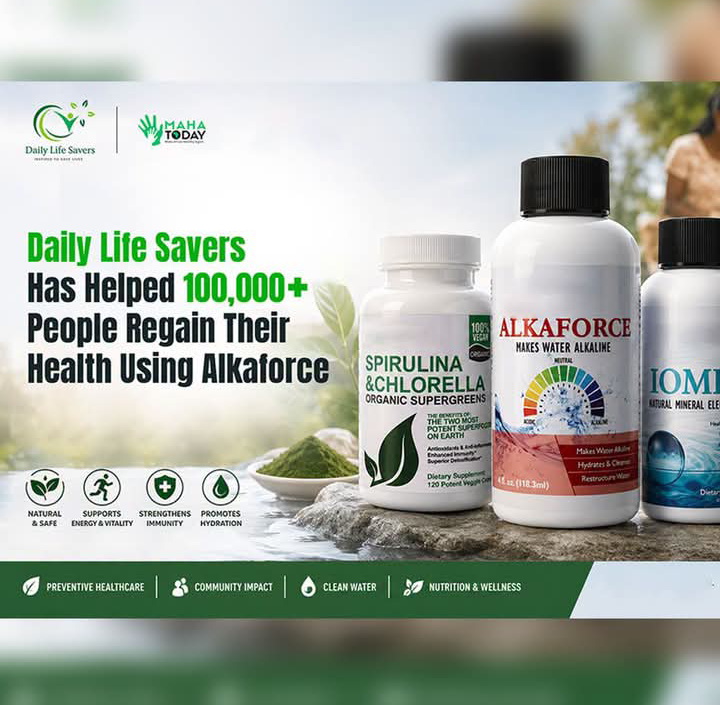
According to the organization, MahaToday has helped more than 100,000 people improve their health over the past two years by encouraging preventive wellness practices and strengthening community-based health awareness.
Preventive Healthcare as a Sustainable Solution
Medical professionals and global public health institutions increasingly agree that preventing illness before it occurs is both cost-effective and sustainable. Preventive healthcare includes healthy nutrition, regular physical activity, access to safe drinking water, routine health education, and early intervention—all of which contribute to reducing the prevalence of chronic diseases and improving quality of life.
Daily Life Savers says its mission has always centered on these principles. Through years of community engagement, the organization has sought to educate families about practical steps they can take to maintain healthier lives while encouraging habits that reduce health risks.
The transition to MahaToday represents an evolution of this mission, combining years of experience with broader community engagement strategies aimed at making preventive wellness more accessible across African communities.
Promoting Health Through Community Engagement
Community-based initiatives remain one of the most effective ways to improve health awareness, particularly in underserved areas where access to healthcare information may be limited.
MahaToday says its programmes are designed to reach individuals and families directly through educational campaigns, wellness initiatives, nutrition awareness, and practical guidance that encourage healthier daily habits.
Rather than focusing solely on treating illness, the initiative emphasizes building healthier communities by helping people understand how everyday decisions from drinking cleaner water to improving nutrition can significantly influence long-term health outcomes.
This approach aligns with broader public health recommendations that prioritize disease prevention alongside medical treatment.
Water, Nutrition, and Health Education
Access to safe water and proper nutrition remains fundamental to improving health across Africa. Contaminated water and poor dietary practices continue to contribute to preventable illnesses in many communities.
Daily Life Savers says these issues have remained central to its work for nearly two decades. By supporting improved water access, promoting healthier nutrition, and providing educational resources, the organization seeks to reduce preventable health risks while encouraging healthier lifestyles.
Health education also plays a vital role in this strategy. Well-informed individuals are often better equipped to make decisions that protect their health and that of their families.
Through seminars, outreach programmes, and community engagement activities, MahaToday aims to strengthen public understanding of preventive wellness and encourage lasting behavioural change.
Measuring Community Impact
According to figures released by the organization, more than 100,000 individuals have experienced improved health through MahaToday’s programmes within the last two years.
While individual experiences vary, the reported milestone reflects the organization’s growing reach and its commitment to expanding preventive healthcare awareness across multiple communities.
The initiative says its long-term objective is not only to improve individual health outcomes but also to help create healthier families and stronger communities capable of sustaining positive health practices over time.
Supporting Africa’s Public Health Goals
Preventive wellness initiatives complement broader national and continental health priorities by encouraging healthier populations and reducing avoidable disease burdens.
Across Africa, governments, healthcare professionals, civil society organizations, and private sector stakeholders increasingly recognize that public health requires collaborative action involving education, prevention, and community participation.
MahaToday says it intends to continue working alongside communities by promoting practical health solutions that empower people to take greater responsibility for their personal well-being.
Its message is straightforward: healthier choices made today can contribute to healthier families tomorrow.
Looking Ahead
As Africa continues addressing complex healthcare challenges, initiatives focused on prevention are expected to remain an important component of sustainable development.
Daily Life Savers believes that lasting health improvements begin with informed decisions made at the household and community levels. Through MahaToday, the organization says it will continue investing in preventive wellness programmes that encourage healthier living, improve awareness, and expand community engagement.
The organization maintains that every positive decision To from choosing safe drinking water to adopting healthier nutritional habits can contribute to stronger communities and a healthier continent.
Its vision is rooted in a simple but enduring principle: building a healthier Africa starts with healthier choices made by individuals, families, and communities working together toward better health outcomes.
Sources:
- Daily Life Savers (Branded Content)
- World Health Organization (WHO)
- Africa Centres for Disease Control and Prevention (Africa CDC)
- UNICEF
- World Bank (Health and Nutrition Resources)