Reported by Simon Daniel Yusuph l Journalist at Weng Global
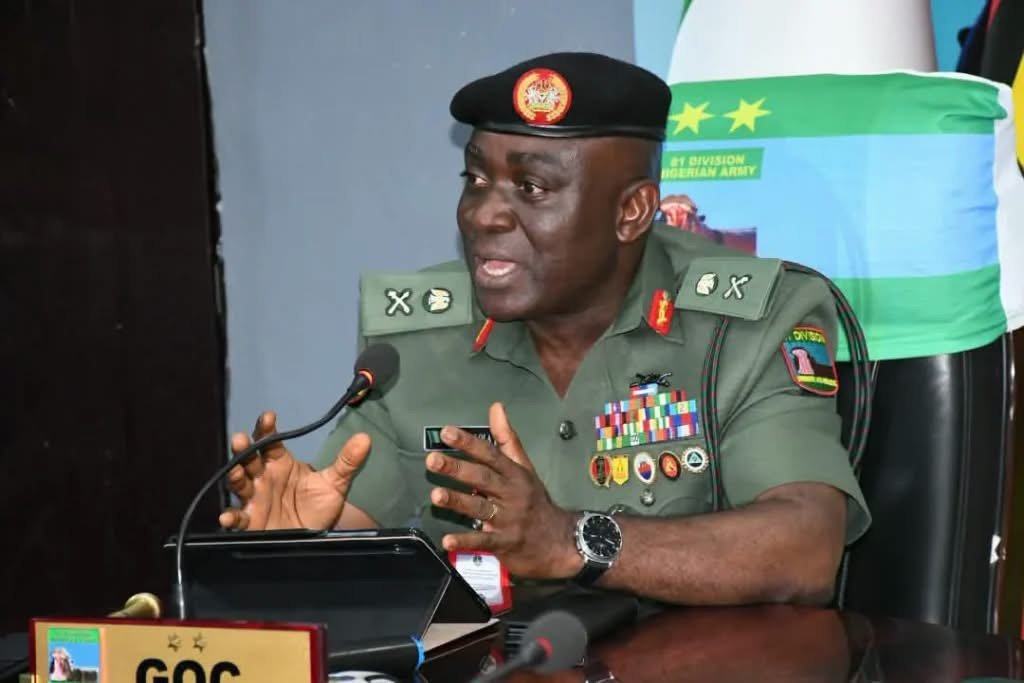
The General Officer Commanding (GOC), 81 Division of the Nigerian Army, Major General Adebayo Babalola, has urged defence journalists to maintain accuracy and balance when reporting military operations, while giving appropriate attention to the sacrifices and achievements of troops serving across the country.
Babalola made the call during a courtesy visit by members of the Association of Defence Correspondents of Nigeria (ADCON) to the headquarters of 81 Division in Lagos.
The engagement focused on strengthening communication between the Nigerian Army and journalists covering defence and national security, with both sides acknowledging the importance of timely and credible information in security reporting.
Army Seeks Stronger Media-Military Engagement
Babalola described the media as an important partner in helping the public understand military operations and the security challenges facing the country.
He urged defence correspondents to seek clarification from appropriate military authorities before publishing information that could be inaccurate, misleading or based on incomplete accounts.
According to the GOC, closer interaction between the military and the media would allow journalists to obtain clearer information about operations and provide the public with a more complete picture of developments.
He encouraged journalists to approach the division whenever they required clarification about military activities, saying the command was willing to make senior and experienced officers available for professional engagement.
The approach, he said, would help reduce misinformation while improving the quality and accuracy of reports concerning national security.
Babalola also stressed the importance of balancing coverage of military operations.
He argued that negative developments often receive greater public attention and may continue circulating even after circumstances have changed, making it important for journalists to consider developments within their broader security context.
The GOC, however, did not call for journalists to ignore problems or shortcomings. Rather, he urged defence correspondents to report challenges and mistakes accurately while also reflecting verified successes and developments.
GOC Highlights Sacrifices of Nigerian Troops
A central part of Babalola’s message was the need for the public to understand the conditions under which Nigerian soldiers operate.
He noted that many members of the armed forces serve in difficult environments as part of their responsibility to protect citizens, safeguard national assets and contribute to national security.
The GOC said soldiers are Nigerians who have chosen to serve the country and urged journalists to consider the broader circumstances surrounding military operations when reporting on their activities.
His comments come amid continued military deployments across different parts of Nigeria and the wider West African region, where Nigerian troops participate in internal security operations and regional security initiatives.
The emphasis on troop sacrifices is also part of a broader military effort to improve public understanding of the role of the armed forces.
However, responsible reporting requires that recognition of military service does not replace scrutiny of military conduct. Defence journalism also involves reporting verified shortcomings, complaints, operational challenges and issues affecting civilians.
Defence Correspondents Reaffirm Commitment to Accountability
Earlier during the visit, ADCON Chairman Philip Nwosu said the association was committed to accurate and balanced reporting of military activities.
Nwosu said defence reporting was a specialised area of journalism because correspondents must understand military operations, security procedures and legitimate operational sensitivities while also protecting the public’s right to information.
He said ADCON was seeking a more structured relationship with 81 Division that would allow accredited journalists to obtain credible information from appropriate military authorities.
The association stressed that improved communication should not amount to preferential treatment or unrestricted access to sensitive operational information.
Instead, the objective is to create professional channels through which journalists can seek clarification and reduce reliance on speculation or unverified information.
Nwosu also said defence correspondents would continue to report on the activities of the armed forces while maintaining their responsibility to hold public authorities accountable for their actions and inactions.
He said members of the association would continue highlighting issues including the sacrifices of personnel, humanitarian activities, civil-military relations, peacebuilding efforts and other developments connected with the Armed Forces.
Why Timely Information Matters
Security reporting presents particular challenges because information can change rapidly during military operations.
Initial reports may contain incomplete details, while information released by different parties can sometimes conflict. Journalists therefore have a responsibility to verify information before publication and clearly identify what has been confirmed.
For the military, providing timely clarification can help prevent inaccurate information from gaining traction.
For journalists, maintaining professional distance is equally important. Information supplied by military authorities remains subject to journalistic verification, just as claims made by other government institutions, communities or security stakeholders require scrutiny.
A functioning relationship between defence correspondents and military authorities can therefore benefit both sides when it is based on transparency, professional access and respect for editorial independence.
The meeting between ADCON and 81 Division reflects an attempt to strengthen that communication process.
Babalola Points to Improved Security Situation
During the engagement, Babalola said the security situation had improved “tremendously” over the previous three to four months.
He urged journalists to reflect such developments in their reporting while continuing to scrutinise the performance of the military.
The statement represents the Army’s assessment of the security situation and should be understood in that context. Security conditions vary across locations and can change quickly, meaning broader claims about improvement require continued assessment based on independently verifiable evidence.
For journalists covering security, the challenge is therefore to report both progress and continuing risks without allowing either positive or negative developments to distort the overall picture.
Balancing National Security and the Public’s Right to Know
The relationship between the military and the media is particularly important in a democracy because national security reporting involves competing responsibilities.
Military authorities have legitimate operational concerns, particularly where the release of certain information could compromise ongoing operations, expose personnel or civilians to danger, or reveal sensitive capabilities.
At the same time, journalists have a responsibility to inform citizens about the activities of institutions exercising significant public authority.
The balance does not mean withholding information that is legitimately in the public interest. It requires journalists to distinguish between information that can responsibly be published and details that could create avoidable operational risks.
That balance also requires military authorities to provide credible information where possible, respond to legitimate questions and correct inaccurate reports with evidence.
Babalola’s invitation for journalists to seek clarification before publication could help create a more direct channel for such exchanges.
Broader Role of Defence Journalism
Defence journalism extends beyond reporting battlefield developments or security incidents.
It can also examine military preparedness, troop welfare, professional standards, civil-military relations, humanitarian assistance, regional security cooperation and the effectiveness of government responses to security threats.
The visit by ADCON highlights the specialised nature of this work.
Defence correspondents must understand military terminology and procedures while translating complex security developments into information that ordinary citizens can understand.
They must also protect sources, verify claims, avoid unnecessary disclosure of sensitive information and distinguish official accounts from independently established facts.
These responsibilities become particularly important in an environment where information spreads rapidly through social media and unverified reports can reach large audiences before authorities have an opportunity to respond.
What Happens Next
Babalola pledged continued engagement between 81 Division and defence correspondents, including regular briefings, professional interactions and opportunities for journalists to seek clarification from experienced officers.
The division is also expected to maintain communication with ADCON as the association continues its work covering the Armed Forces and other security institutions.
For journalists, the engagement provides an opportunity to strengthen access to authoritative information while maintaining their independent editorial responsibilities.
For the military, sustained engagement could provide a mechanism for correcting misinformation, explaining operational developments and communicating verified information about its activities.
The effectiveness of the relationship will ultimately depend on whether both sides maintain professional boundaries: journalists retaining their independence and scrutiny, while military authorities provide timely and credible information within legitimate security limits.
The central issue remains clear: security reporting must give citizens accurate information about threats and military operations while recognising the sacrifices of personnel and maintaining the accountability expected of public institutions.
Weng Global – stories beyond borders
Sources
- The Guardian Nigeria
- Hybrid News
- OnePage Africa
- Radio Nigeria Lagos