Reported by Simon Daniel Yusuph l Journalist at Weng Global
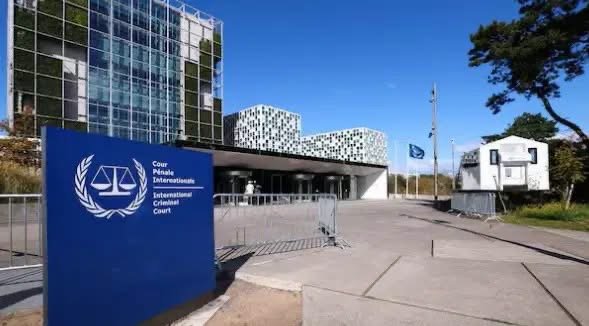
The International Criminal Court (ICC) has convicted former Central African Republic rebel commander Mahamat Said Abdel Kani of crimes against humanity linked to the torture and mistreatment of detainees during the country’s 2013 conflict.
The 56-year-old former Seleka commander was found guilty on Wednesday, September 23, 2026, of four counts of crimes against humanity, including persecution, torture and unlawful imprisonment, following a trial at the ICC in The Hague.
The court, however, acquitted Said of three counts of war crimes after finding that the armed conflict had already ended at the time those particular offences were alleged to have occurred. His sentence will be determined at a separate hearing.
ICC Finds Said Responsible for Detainee Abuse
Presiding Judge Miatta Maria Samba said Said oversaw the mistreatment of detainees while he was associated with the Central Office for the Repression of Banditry (OCRB) detention facility in Bangui, the Central African Republic’s capital.
According to the court’s findings, detainees were subjected to beatings and torture as part of a campaign targeting people perceived to be supporters of former President François Bozizé.
The ruling followed evidence presented during the trial, including testimony from witnesses about the conditions in which prisoners were held and the treatment they received.
The ICC found that Said was involved in interrogations and mistreatment and was present during some acts of torture, according to reports of the judgment.
Said had denied the charges against him.
What Happened in the Central African Republic?
The case dates back to the political and armed crisis that engulfed the Central African Republic in 2013.
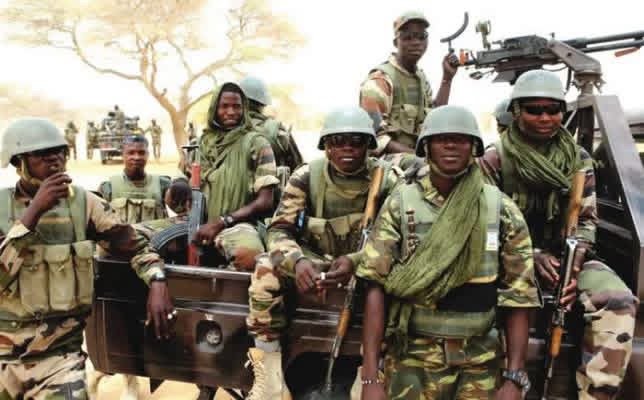
Seleka, a predominantly Muslim rebel coalition, seized control of Bangui and overthrew President François Bozizé. The takeover contributed to a wider conflict involving Seleka forces and predominantly Christian and animist anti-Balaka militias.
The conflict resulted in widespread violence against civilians and allegations of serious international crimes by forces on different sides.
The United Nations and other international actors became involved as the humanitarian and security situation deteriorated.
The ICC has been investigating crimes committed in the Central African Republic since 2014, making the country one of the situations under the court’s long-running investigations.
First Seleka Member Convicted by ICC
Said’s conviction is significant within the ICC’s Central African Republic cases because he is the first Seleka member to be convicted by the court.
The ICC has previously prosecuted senior figures from the opposing anti-Balaka movement.
In July 2025, the court convicted Alfred Yekatom and Patrice-Edouard Ngaïssona of multiple war crimes and crimes against humanity committed in Bangui and western parts of the Central African Republic.
Yekatom was sentenced to 15 years in prison, while Ngaïssona received a 12-year sentence.
The prosecution of individuals from opposing armed groups forms part of the ICC’s broader effort to investigate serious crimes committed during the Central African Republic’s conflict.
ICC Investigation Has Continued for More Than a Decade
The ICC’s involvement in the Central African Republic dates back more than a decade.
The court’s investigation has focused on alleged crimes committed during periods of armed conflict and political instability. Said’s case was formally sent to trial after ICC judges confirmed charges against him in December 2021.
His trial began in September 2022. Prosecutors completed their presentation of evidence in November 2024 after calling 58 witnesses, while the defence began presenting its evidence in March 2025 and concluded in September of that year.
Closing statements were heard in November 2025, before judges scheduled the verdict for September 23, 2026.
The lengthy proceedings reflect the complexity of international criminal cases, which often involve evidence collected years after alleged crimes and testimony from victims and witnesses.
Conviction Does Not Yet Determine Sentence
Although the ICC has now found Said guilty of four crimes against humanity counts, the court has not yet announced his sentence.
A separate sentencing hearing will determine the punishment for the offences for which he was convicted.
The distinction is important because an ICC conviction establishes criminal responsibility for the offences proved before the court, while sentencing is conducted separately.
Why the Verdict Matters
The conviction adds another significant judgment to the ICC’s efforts to establish accountability for serious crimes committed during the Central African Republic’s conflict.
It also provides a judicial record concerning alleged abuses at a detention facility in Bangui and addresses the treatment of people who were regarded as political or armed opponents during the crisis.
For victims and their families, international prosecutions can provide a formal judicial process for examining allegations that may otherwise remain unresolved at the national level.
The case also illustrates the ICC’s role in pursuing individuals accused of serious international crimes when proceedings extend over many years.
At the same time, the court’s acquittal of Said on three war-crimes counts demonstrates that the verdict was based on the specific legal findings made by the judges rather than on all allegations brought against him.
What Happens Next?
The immediate next step is a separate ICC sentencing process for Mahamat Said Abdel Kani.
The court will determine the appropriate sentence based on the crimes for which he has been convicted. The timing of that hearing will be determined by the ICC.
The verdict also leaves the wider Central African Republic cases before the court as part of its continuing judicial work on crimes committed during the country’s years of conflict.
The Central African Republic has experienced a degree of political and security stabilisation since the signing of a peace agreement in 2019, but the legacy of the conflict continues to shape efforts to establish accountability for serious abuses.
Weng Global – stories beyond borders
Sources
- International Criminal Court
- Reuters
- Associated Press
- AFP
- Al Jazeera