Reported by Simon Daniel Yusuph l Journalist at Weng Global
Senegal is strengthening access to sickle cell disease treatment through the local production of DREPAF, a generic form of hydroxyurea that is being manufactured by Senegalese pharmaceutical company Teranga Pharma and offered at lower prices than some imported alternatives.
The development is being closely watched across Africa because the continent carries the largest share of the global sickle cell disease burden, while many patients continue to face challenges obtaining affordable and consistent supplies of essential medicines.
DREPAF is not a newly discovered cure for sickle cell disease. Rather, it is a locally manufactured version of hydroxyurea, an established disease-modifying medicine used to reduce painful crises and other complications associated with the inherited blood disorder.
Reports by Agence France-Presse (AFP), published through several international media outlets in August 2026, described the Senegalese production as the first Africa-made generic hydroxyurea treatment of its kind.
Local production targets a major treatment gap
Sickle cell disease is a serious inherited blood disorder in which red blood cells can become abnormally shaped, restricting blood flow and causing complications including severe pain, anaemia, infections, stroke and organ damage.
The World Health Organization estimates that about 7.74 million people were living with sickle cell disease globally in 2021, with sub-Saharan Africa accounting for nearly 80 per cent of cases. The disease remains a major cause of preventable illness and childhood death in countries where access to diagnosis and comprehensive treatment is limited.
Hydroxyurea is one of the key medicines used to manage the condition. It works partly by increasing the production of fetal haemoglobin, helping reduce the tendency of red blood cells to sickle.
According to WHO, hydroxyurea can reduce the frequency of painful crises and the need for blood transfusions. Its latest guidance strongly recommends hydroxyurea for children and adolescents with sickle cell anaemia from nine months to 19 years, regardless of clinical severity.
However, having an effective medicine does not automatically mean that patients can obtain it.
Availability, price, appropriate formulations and reliable supply chains remain significant challenges in many African countries.
A 2023 survey of 120 health professionals working with sickle cell patients across 13 French-speaking sub-Saharan African countries found that 78 per cent reported frequent disruptions in hydroxyurea supplies. The study also found substantial differences in the cost and availability of medicines between countries.
What is DREPAF?
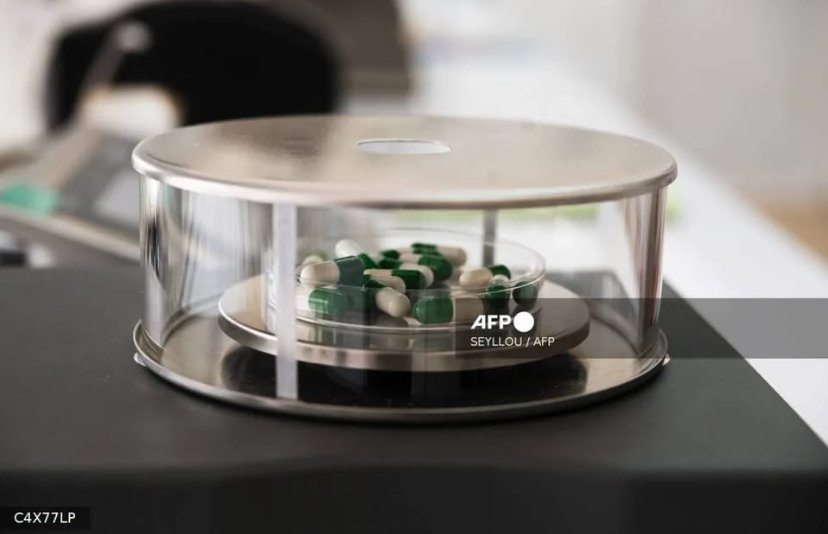
DREPAF contains hydroxyurea and is available in 100-milligram and 500-milligram formulations.
The 500-milligram formulation is intended primarily for adults, while the 100-milligram version provides a lower-dose option particularly relevant to children.
Drep.Afrique, which owns the DREPAF brand, says it entered into a humanitarian agreement with Teranga Pharma to manufacture the medicine locally and make it available at cost.
The organisation says DREPAF received marketing authorisation in Senegal in 2025.
AFP reported that Teranga Pharma launched the medicine in November 2025, with the company’s production facility located in Mbao, near Dakar.
The initiative is therefore not about replacing established medical treatment with an untested product. Its significance lies in producing an established medicine locally and attempting to make it more accessible to patients who have historically depended on imported supplies.
Lower prices could ease pressure on families
The cost of treatment is an important part of the sickle cell challenge.
AFP reported that DREPAF is sold to pharmacies at wholesale prices of about 3,000 CFA francs for the 500-milligram formulation and 1,500 CFA francs for the 100-milligram version.
Imported hydroxyurea products, including Hydrea and Siklos, were reported to cost as much as three times more in some comparisons.
Drep.Afrique says DREPAF is supplied without a commercial margin under its humanitarian arrangement, with the cost depending on the patient’s age and dosage.
The price difference can be particularly important for families caring for children who require long-term treatment.
Magueye Ndiaye, president of the Senegalese Association for the Fight Against Sickle Cell Disease, told AFP that the packaging also offered practical benefits, saying patients who previously needed two boxes containing 20 tablets could use one DREPAF box containing 60 tablets at the same price.
Such differences can matter considerably in countries where patients and their families shoulder significant portions of healthcare costs.
A 2024 study of older patients with sickle cell disease in Senegal found that adult medical care for the condition was largely self-funded, with patients paying for hydroxyurea and folic acid themselves, while blood transfusions were covered by the Ministry of Health.
A potentially important development for children
The paediatric formulation is one of the most significant aspects of the Senegalese initiative.
Younger children often require carefully adjusted doses of hydroxyurea, making suitable formulations particularly important.
WHO’s 2026 guidance recognises this challenge. Its target product profile for paediatric hydroxyurea calls for formulations that support flexible, weight-based dosing and are easier for children to receive and use, particularly in resource-limited settings.
WHO has also identified hydroxyurea as an immediate priority for expanding access to disease-modifying treatment for children and adolescents with sickle cell disease.
The organisation’s September 2026 update said that effective treatment is of limited value when children cannot obtain it, afford it or take it in an appropriate form.
This makes locally produced formulations potentially relevant beyond Senegal, provided that they meet applicable quality, safety and regulatory requirements in other countries.
Patients and families are already watching the difference
The human impact of sickle cell disease is reflected in the experiences of patients who face repeated episodes of severe pain, fatigue and hospitalisation.
AFP reported the case of Mamadou Tahirou, an 18-year-old Senegalese patient who has experienced the effects of the disease since childhood.
His experience illustrates the broader challenge facing families: treatment can be medically available but still difficult to access when the cost of medicines and hospital care becomes too high.
Another patient account reported by AFP involved the mother of a 17-year-old boy who said her son had experienced fewer attacks after switching from Hydrea 500 to DREPAF 100.
Such individual experiences are important, but they should not be interpreted as clinical evidence that DREPAF is more effective than other hydroxyurea products. DREPAF contains the same established active medicine, hydroxyurea, and broader assessment of its impact depends on clinical monitoring and evidence.
Senegal’s pharmaceutical ambitions
The DREPAF project also reflects a wider African debate about pharmaceutical manufacturing and dependence on imported medicines.
Many African health systems remain vulnerable to international supply disruptions because essential medicines are frequently manufactured outside the continent.
Local production cannot by itself eliminate shortages. Manufacturers still need reliable supplies of raw materials, regulatory oversight, financing, technical expertise, distribution networks and sufficient demand.
However, producing essential medicines closer to the populations that need them can potentially shorten supply chains and reduce dependence on overseas manufacturers.
Teranga Pharma has said it is working with an Indian technical partner to expand production.
AFP reported that the company is already working with Burkina Faso, Guinea and Côte d’Ivoire and has received requests from the Democratic Republic of Congo, Gabon and Cameroon.
The company has also set an ambition of meeting demand across sub-Saharan Africa by 2030.
Whether that ambition can be achieved will depend on regulatory approvals, manufacturing capacity, financing, distribution and the ability to maintain consistent quality and affordability across different markets.
What the development means for Africa
The significance of Senegal’s initiative extends beyond the production of one medicine.
For a continent that carries most of the world’s sickle cell disease burden, access to treatment is closely connected to broader questions about healthcare financing, pharmaceutical manufacturing and health-system capacity.
WHO’s latest sickle cell guidance highlights the need to combine early diagnosis with evidence-based treatment and comprehensive care. The organisation has also been working with partners to improve access to quality-assured medicines and appropriate paediatric formulations.
For African countries, the Senegalese experience could provide another example of how domestic pharmaceutical production might contribute to addressing chronic medicine shortages.
But local manufacturing should be viewed as part of a wider health strategy rather than a standalone solution.
Patients still require early diagnosis, regular medical monitoring, access to blood transfusions when necessary, infection prevention, pain management and other forms of comprehensive care.
Sickle cell disease also requires long-term treatment. Lowering the price of a medicine can improve access, but sustained affordability and reliable availability are equally important.
What happens next?
Teranga Pharma’s next challenge is expanding production while maintaining quality and affordability.
The company has expressed plans to supply other African markets and reach broader sub-Saharan demand by 2030.
For countries considering DREPAF or other locally manufactured medicines, regulatory authorities will determine whether products can be imported and distributed according to national requirements.
At the same time, WHO’s 2026 work on sickle cell treatment is placing greater emphasis on making hydroxyurea and other essential interventions available to children and adolescents in appropriate, affordable forms.
The Senegalese development therefore comes at a time when global health authorities are simultaneously trying to improve treatment guidelines and address the practical barriers that prevent patients from receiving recommended medicines.
For millions of Africans living with sickle cell disease, the central issue remains straightforward: effective treatment must not only exist; it must be available, affordable and consistently accessible.
Senegal’s locally manufactured DREPAF represents one effort to address that gap by bringing production closer to the patients who need the medicine.
Its longer-term impact will depend on whether the approach can be sustained in Senegal and successfully extended to other African countries.
Weng Global – Stories beyond borders
Sources
- World Health Organization (WHO) — Sickle Cell Disease Fact Sheet
- World Health Organization (WHO) — WHO Consolidated Guidelines for the Management of Common Childhood Illness: Sickle-Cell Disease in Children and Adolescents, 2026
- World Health Organization (WHO) — Access to Lifesaving Sickle Cell Treatment and Care for Children, September 2026
- World Health Organization (WHO) — Target Product Profile for Formulations of Hydroxyurea for the Management of Sickle Cell Disease in Children, 2026
- American Society of Hematology — Blood, study on the availability and cost of basic sickle cell medicines in 13 African countries
- Agence France-Presse (AFP) — Reporting on Senegal-made sickle cell treatment and DREPAF
- Drep.Afrique — Information on DREPAF and its humanitarian partnership with Teranga Pharma
- Advances in Hematology — Study of sickle cell disease patients in Senegal